

 English
 中文简体
中文简体
Beyond Glitter: What Makes Pearl Foil a Premium Luxury Finish?
In the competitive landscape of product presentation, where first impressions are paramount, brands continually seek materials that convey superiority and value at a glance. While glitter and metallic finishes offer a direct approach to sparkle, they often lack the nuanced sophistication required for true luxury. Enter pearl foil, a finishing material that has become synonymous with understated elegance and premium quality.
What is Pearl Foil? The Science of Subtle Luminescence
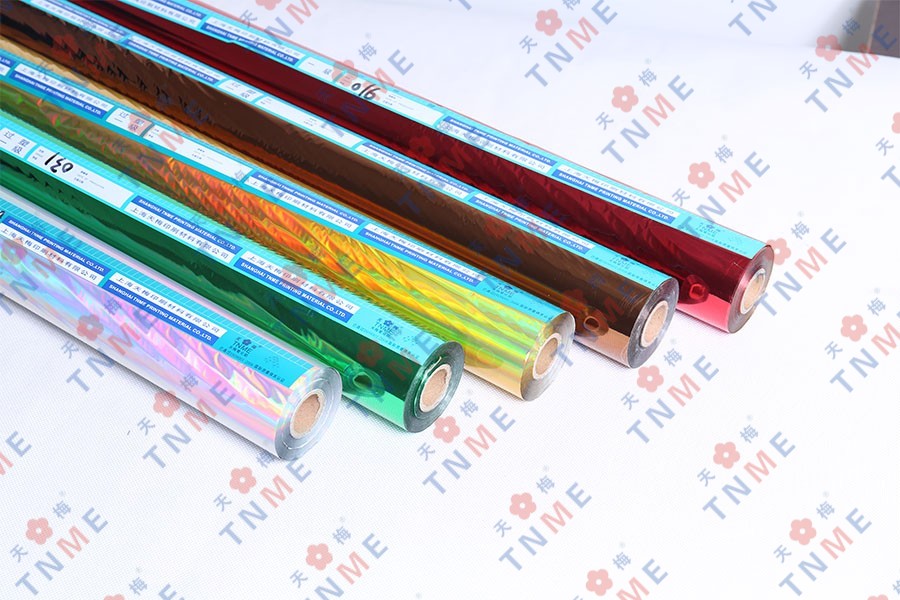
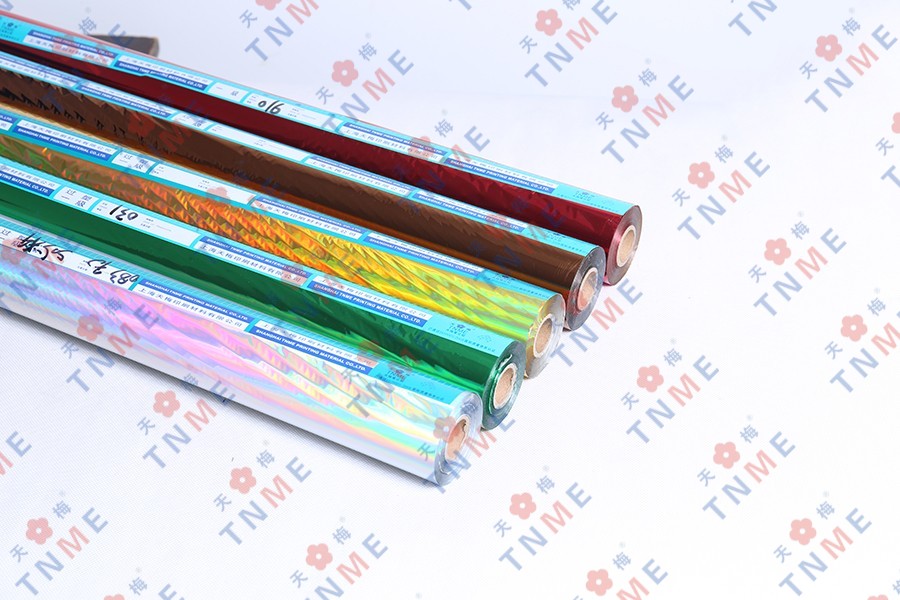
To understand the premium status of pearl foil, one must first grasp its fundamental nature. Unlike standard metallic foils that reflect light in a straightforward, mirror-like manner, pearl foil operates on a principle of layered luminescence. It is a specialized stamping foil that achieves its characteristic effect through the integration of natural and synthetic pearlescent pigments. These microscopic pigments are layered within the foil’s coating and are renowned for their ability to both reflect and refract incident light.
This dual action of reflection and refraction is the cornerstone of the pearl foil effect. When light strikes the surface, some wavelengths are reflected directly off the top layer, while others penetrate slightly and are bent (refracted) through the pearlescent particles before being reflected back. This complex light interaction creates a soft, depth-filled glow with a distinctive iridescent quality. The visual result is a finish that appears to emanate light from within, shifting subtly in hue and intensity depending on the viewing angle. This chameleon-like quality, often described as a “soft-focus effect” or a “luxury glow,” provides a dynamic visual experience that flat inks or standard metallics cannot replicate. The quest for sustainable pearlescent effects is also driving innovation, with advancements in synthetic pigments offering stunning visual results without relying on natural sources.
Key Characteristics That Define the Pearl Foil Premium
The allure of pearl foil is not accidental; it is the direct result of a combination of physical and aesthetic characteristics that are highly prized in the luxury market. These attributes work in concert to create a finish that is both visually arresting and tactically satisfying.
Perhaps the most defining characteristic is its depth and dimensionality. A surface treated with pearl foil does not feel flat or superficial. Instead, it possesses a visual depth that invites touch and prolonged inspection. This is a stark contrast to the often two-dimensional appearance of printed silver or gold inks. The finish has a softness to it, a velvety luminance that avoids the harsh, sometimes garish, shine of pure metallics. This makes it exceptionally well-suited for brands whose identity is built on elegance and refinement rather than overt opulence.
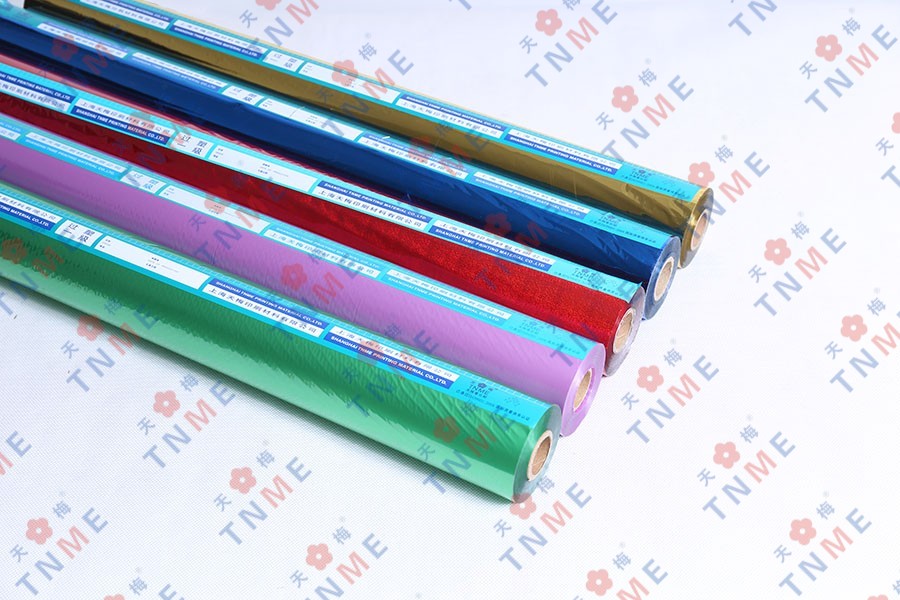
Furthermore, pearl foil offers a remarkable color versatility. While often associated with classic whites, ivories, and champagnes, pearl foil is available in a vast spectrum of shades. From delicate pinks and blues to deep, rich burgundies and bronzes, the pearlescent effect adds a layer of complexity to any color. This allows brands to maintain a consistent color story while enriching it with a luxurious, light-shifting quality that enhances brand recognition and perceived value. This spectrum is a key consideration for any foil stamping supplier curating a portfolio for diverse client needs.
Finally, its tactile neutrality is a subtle yet important advantage. Unlike textured finishes like embossing or some soft-touch coatings, the surface of a pearl foil application can remain smooth. The luxury is communicated purely through vision, leaving the tactile experience to other elements of the design, such as a raised embossed pattern or a specialty paper stock. This allows designers to layer finishing techniques without creating a sensory overload.
The Technical Execution: Application Methods for Optimal Results
Achieving the perfect pearl foil finish is a technical process that requires precision and expertise. The choice of application method significantly impacts the final look, durability, and cost, making it a critical decision for packaging designers and production managers.
The most common and revered method is hot foil stamping. This process uses a custom-made magnesium, brass, or copper die that is heated and stamped onto the material with pressure, transferring the foil layer. Hot stamping is renowned for delivering the highest quality pearl foil finish. The heat and pressure ensure a crisp, completely opaque, and highly durable transfer that becomes a permanent part of the substrate. It allows for incredible precision, making it ideal for intricate logos, fine text, and detailed patterns. The slight tactile impression it often leaves can further enhance the perceived quality of the product.
A faster and more cost-effective alternative is cold foil transfer. In this process, a UV-curable adhesive is printed onto the substrate in the desired pattern using a standard printing plate. The pearl foil is then pressed onto the adhesive and cured instantly with UV light, bonding it to the surface. The web is then stripped away, leaving the foil behind. While cold foiling is excellent for high-speed, high-volume runs and can achieve excellent results, it can sometimes lack the absolute opacity and deep, luxurious luster of hot stamping. It is a superb choice for larger, solid areas where the slight variance is less noticeable.
A third method, pearl foil lamination, involves applying a continuous sheet of pearl foil film over the entire printed piece via a lamination process. This creates an all-over, uninterrupted pearlescent effect that can be stunning for premium cosmetic packaging or special edition releases. While it offers maximum visual impact, it is also the most expensive option and covers the entire substrate, which may not be the desired design outcome.
The table below summarizes the key differences between these primary application methods:
| Feature | Hot Foil Stamping | Cold Foil Transfer | Pearl Foil Lamination |
|---|---|---|---|
| Finish Quality | Superior opacity, depth, and crispness | Very good, but can be slightly less opaque | Consistent, all-over pearlescent effect |
| Durability | Excellent, permanent bond | Very good, resistant to scratching | Excellent, protective layer |
| Suitable For | Fine details, logos, text | Larger solid areas, high-volume runs | Full-cover luxury effects |
| Tooling Cost | Higher (custom die creation) | Lower (printing plates) | Not applicable |
| Run Speed | Slower | Very Fast | Moderate to Fast |
| Tactile Feel | Often slightly debossed | Smooth | Smooth |
Strategic Advantages in Branding and Packaging
The decision to use pearl foil is rarely just an aesthetic one; it is a strategic branding choice with tangible impacts on consumer perception and market positioning.
The most significant advantage is the immediate elevation of brand perception. In a crowded market, a package finished with pearl foil communicates investment and quality before a customer even interacts with the product. It signals that the brand cares deeply about its entire presentation, which consumers often subconsciously extend to their perception of the product’s quality itself. This is why it is a staple in industries where image is everything, such as luxury cosmetics, high-end spirits and wine packaging, and premium confectionery.
This enhanced perception directly contributes to increased shelf presence. On a retail shelf, products compete for milliseconds of a shopper’s attention. The soft, light-capturing glow of a pearl foil finish acts as a natural eye-catcher. It doesn’t shout like neon colors or loud graphics; instead, it draws the gaze through its subtle movement and sophisticated shimmer. This understated magnetism is often more effective for luxury brands than louder, more conventional methods, ensuring the product stands out for the right reasons.
Furthermore, pearl foil offers a unique ability to enhance brand colors. By adding a pearlescent sheen to a brand’s signature color, it creates a proprietary and difficult-to-replicate version of that hue. This adds a layer of brand security and distinctiveness. The color appears richer, more complex, and more valuable, strengthening brand identity and making counterfeiting more challenging.
Finally, in an era of unboxing experiences and social media sharing, the visual appeal of pearl foil has secondary marketing benefits. A package that looks and feels luxurious is more likely to be shared on platforms like Instagram or TikTok, providing valuable organic marketing. The way light plays off a pearl foil logo in a video or photo adds a professional, high-quality element that amplifies the brand’s digital presence.
Comparative Analysis: Pearl Foil Versus Other Finishes
To truly appreciate the value proposition of pearl foil, it is instructive to compare it directly with other popular finishing options.
Vs. Metallic Foils (Gold, Silver, etc.): Standard metallic foils provide a brilliant, specular reflection. They are bold, classic, and communicate overt wealth and tradition. Pearl foil, by contrast, is more nuanced. It provides glow rather than glare. Where a gold foil might be perceived as traditional or lavish, a gold-toned pearl foil would be seen as modern and refined. Pearl foil is often chosen when a brand wants the prestige of metallics without the potential for appearing gaudy or dated.
Vs. Metallic Inks: Printed metallic inks are a cost-effective way to add a metallic sheen. However, they are typically flat, can lack consistency in color and coverage, and often have a grainy appearance under close inspection. Pearl foil, especially via hot stamping, delivers a completely smooth, consistent, and opaque finish that is undeniably superior in quality. The difference is immediately apparent to the touch and the eye.
Vs. Glitter or Sparkle Effects: Glitter finishes are purely about high-impact, playful sparkle. They are diffuse and random in their reflection. Pearl foil is organized and uniform in its luminescence. Glitter says “fun” and “festive”; pearl foil says “elegant” and “sophisticated.” They serve entirely different market segments and brand personalities.
Vs. Spot UV Varnish: A spot UV varnish creates a glossy, raised area that contrasts with a matte substrate. It is excellent for adding texture and directing attention. However, its visual effect is limited to a glossy shine without any inherent color or light-shifting properties. Pearl foil provides both a textural element (if stamped) and a unique visual color effect that UV varnish cannot achieve. The two techniques are often used together to magnificent effect, with a high-gloss UV coating applied over a pearl foil stamp to protect it and amplify its depth.
Considerations for Designers and Buyers
Specifying pearl foil requires careful consideration to ensure the final result meets expectations and remains within budget. For wholesale buyers and designers, several key factors must be addressed during the planning phase.
The choice of substrate is critical. Pearl foil adheres best to smooth, coated stocks. The smoother the surface, the more flawless the foil transfer will be. Textured or uncoated papers can result in a broken, inconsistent application as the foil fails to adhere to the peaks and valleys of the material evenly. It is always advisable to conduct a press proof on the exact stock intended for the final job to assess adhesion and visual outcome.
Design intent must guide the process. Designers should consider how the pearl foil will interact with other design elements. It works exceptionally well as a highlight for typography, logos, and keyline patterns. Using it for very large, solid areas can be cost-prohibitive and may sometimes lessen its visual impact; its power often lies in its strategic use as an accent. Furthermore, understanding how the iridescent quality will interact with the underlying printed colors is crucial. A knowledgeable foil stamping supplier can provide valuable guidance on color combinations.
Finally, a clear understanding of cost drivers is essential for budgeting. The primary cost factors include the application method (hot stamping has higher setup costs but can be more economical for smaller runs, while cold foiling has lower setup but higher material costs for long runs), the complexity of the design (fine details require more precise, and often more expensive, dies), and the total area of coverage. Sourcing pearl foil rolls from a reputable supplier that can guarantee consistency across production runs is non-negotiable for maintaining quality.
The Future of Pearl Foil and Innovation
The future of pearl foil is aligned with the broader trends in the packaging industry: sustainability, technological integration, and ever-greater customization. The development of eco-friendly pearl foil options is already underway. This includes foils with biodegradable release layers, pigments derived from sustainable sources, and production processes that reduce environmental impact. As demand for sustainable luxury grows, these innovations will become standard.
Technologically, we can expect advances in application precision and compatibility with digital printing presses, allowing for even more personalized and short-run luxury packaging. The ability to combine pearl foil effects with other digital enhancements will open new creative possibilities for brands of all sizes.
Furthermore, the development of new pigment technologies will continue to expand the visual palette available to designers. We can anticipate pearls with stronger color shifts, greater opacity on dark substrates, and entirely new optical effects that further blur the line between packaging and art.