

 English
 中文简体
中文简体
Cold Foil vs Hot Stamping: Choosing the Right Process for Over Printed Foil
Industry Background and Application Importance
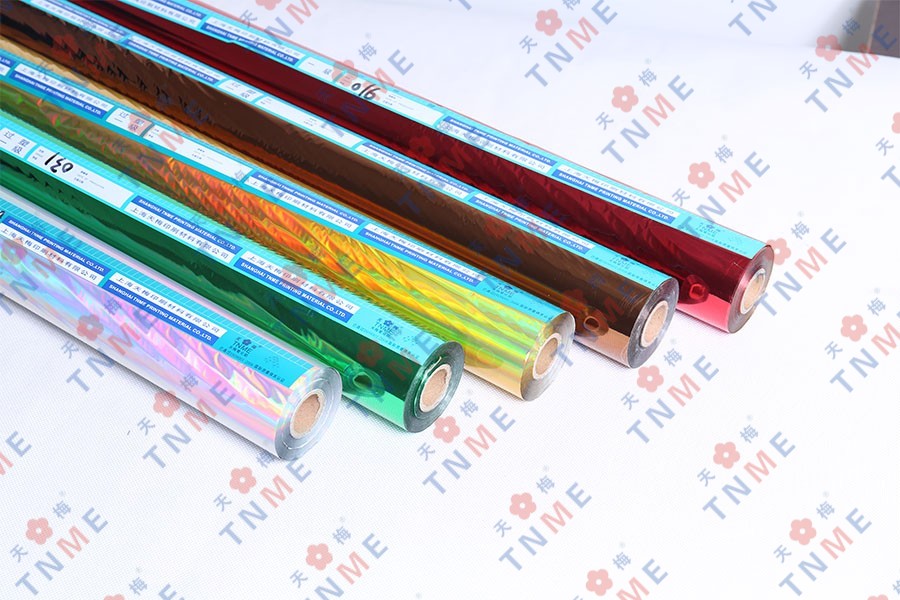
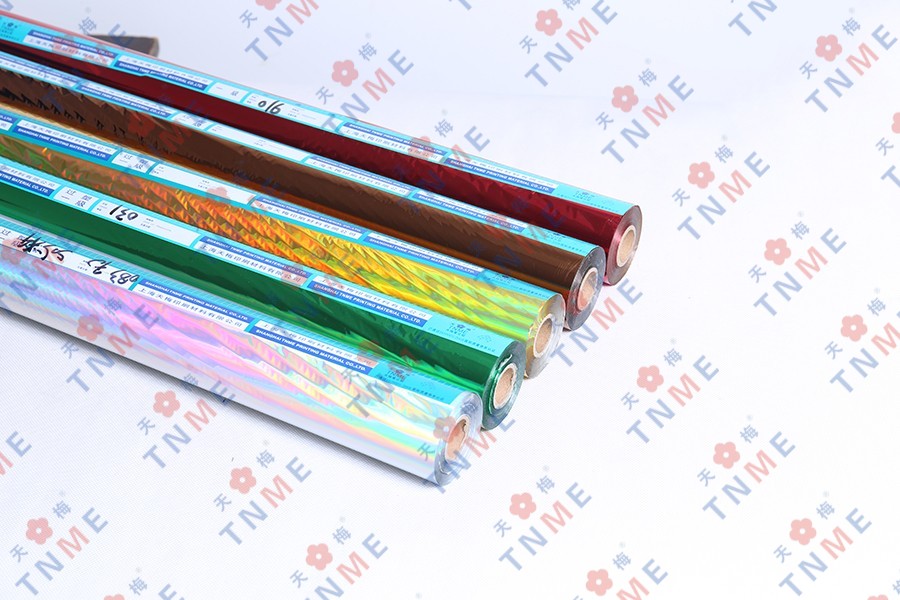
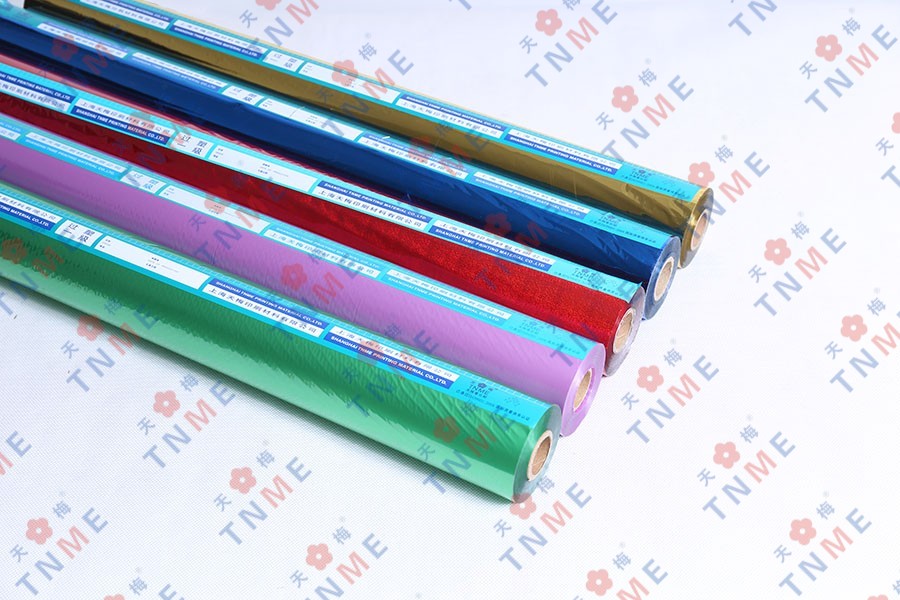
The market for over printed foil has been experiencing steady growth, driven by increasing demand for high-quality packaging, labeling, and decorative applications. Over printed foil, typically involving the deposition of metallic or pearlescent layers onto a substrate, enhances visual appeal and provides functional benefits such as barrier protection, tamper evidence, and anti-counterfeiting features. In modern industrial applications, particularly in sectors such as pharmaceuticals, cosmetics, luxury goods, and high-end food packaging, over printed foil is leveraged not only for aesthetic differentiation but also for regulatory compliance and traceability.
From a systems engineering perspective, integrating over printed foil processes into production lines requires careful consideration of substrate properties, coating adhesion, print registration, and production speed. Each process variant—cold foil or hot stamping—presents unique benefits and constraints that influence overall system performance.
Core Technical Challenges in the Industry
The use of over printed foil in industrial applications faces multiple technical challenges that impact both production efficiency and end-product quality:
-
Adhesion Consistency: Ensuring uniform adhesion of the metallic layer to substrates of varying compositions (PET, paper, flexible films) is critical. Poor adhesion can lead to delamination during downstream processing or end-use.
-
Registration Accuracy: High-resolution graphics demand precise alignment between foil deposition and subsequent printing or embossing steps. Misregistration can degrade visual quality and reduce functional performance.
-
Substrate Compatibility: Different substrates exhibit diverse thermal and mechanical properties, influencing the choice between cold foil and hot stamping processes.
-
Production Throughput: High-speed lines require processes that maintain foil integrity under continuous motion without generating excessive waste.
-
Environmental and Energy Considerations: Minimizing energy consumption and waste generation while maintaining high-quality foil application is increasingly prioritized in modern manufacturing.
Key Technical Paths and System-Level Solutions
Selecting the appropriate process for over printed foil involves evaluating cold foil and hot stamping technologies through a systems engineering lens.
Cold Foil Process
-
Mechanism: Cold foil employs a photopolymer or UV-curable adhesive applied to the substrate, onto which the foil is transferred via pressure roller or laminator. The foil adheres only to adhesive-coated areas, and excess foil is recycled.
-
Advantages:
- High-speed production: Suitable for web-fed printing presses.
- Variable graphics capability: Supports intricate designs and variable data printing.
- Lower substrate stress: Absence of high heat reduces risk of substrate deformation.
-
Constraints:
- Requires precise control of adhesive viscosity and curing parameters.
- Limited to specific foil types compatible with cold transfer.
Hot Stamping Process
-
Mechanism: Hot stamping uses heat and pressure to transfer foil from a carrier onto the substrate. A heated die or roller melts the foil’s release layer, adhering the metallic or pigmented layer to the substrate.
-
Advantages:
- Excellent adhesion: Strong bond suitable for non-flat or complex surfaces.
- Durability: Highly resistant to wear and mechanical abrasion.
- Material flexibility: Can be applied to diverse substrates including paper, plastic, and laminates.
-
Constraints:
- Heat can deform temperature-sensitive substrates.
- Lower throughput compared to cold foil in continuous web processes.
| Feature | Cold Foil | Hot Stamping |
|---|---|---|
| Heat Requirement | Low | High |
| Substrate Stress | Minimal | Moderate to High |
| Adhesion Strength | Moderate | High |
| Throughput | High (web-fed) | Moderate (die-based) |
| Graphics Flexibility | High | Moderate |
| Durability | Moderate | High |
| Equipment Investment | Moderate | High |
Typical Application Scenarios and System Architecture Analysis
-
Pharmaceutical Packaging: Cold foil is favored for high-speed blister packs and labels where variable data printing is required. Hot stamping is employed for security seals and tamper-evident elements, where adhesion and durability are critical.
-
Cosmetic and Luxury Goods: Both processes are applied based on product geometry and surface finish. Cold foil offers decorative flexibility on flat or slightly curved surfaces, whereas hot stamping addresses complex contours and embossing.
-
Food Packaging: Over printed foil enhances brand visibility and regulatory labeling. Cold foil integrates well with existing high-speed printing lines, while hot stamping ensures strong adhesion on laminated or multi-layer films.
System-level considerations include integrating foil application with pre- and post-print processes, drying or curing stations, and inline quality inspection systems for adhesion, color consistency, and registration.
Impact on System Performance, Reliability, and Operational Efficiency
- Production Efficiency: Cold foil minimizes substrate handling issues and allows rapid changeover for variable data, improving throughput. Hot stamping provides slower but consistent production on durable substrates.
- Reliability and Quality: Hot stamping offers superior long-term adhesion, while cold foil requires careful control of adhesive properties and curing to maintain quality.
- Energy and Environmental Impact: Cold foil processes generally consume less energy and produce lower thermal waste. Hot stamping requires energy-intensive heating elements and may necessitate cooling cycles, impacting line energy efficiency.
- Maintenance and Operational Considerations: Cold foil systems require routine monitoring of adhesive reservoirs and roller cleanliness, whereas hot stamping requires maintenance of heated dies and pressure rollers to prevent substrate marking or foil transfer defects.
Industry Development Trends and Future Directions
- Digital Integration: Advancements in digital foiling technologies allow precise, variable foil patterns without the need for custom dies, enhancing flexibility for limited-run production.
- Sustainable Materials: Development of recyclable or biodegradable foil substrates aligns with increasing regulatory and consumer demands for sustainable packaging.
- Automation and Inline Inspection: Integration of vision systems for real-time quality control improves yield and reduces waste.
- Hybrid Processes: Emerging hybrid systems combine cold foil and hot stamping within a single production line to leverage the benefits of both processes.
- Functional Foil Applications: Beyond decoration, foils are being used for anti-counterfeiting, electronic conductivity, and barrier enhancement, expanding their role in system-level product functionality.
Summary: System-Level Value and Engineering Significance
Choosing between cold foil and hot stamping for over printed foil applications is fundamentally a systems engineering decision. Engineers and technical managers must balance throughput, substrate compatibility, adhesion requirements, environmental impact, and operational reliability. A comprehensive evaluation considering process mechanics, system integration, and downstream handling ensures optimal selection for both current production needs and future scalability.
Both processes offer distinct advantages that, when aligned with system-level objectives, enhance overall product quality, operational efficiency, and market responsiveness. Understanding the engineering trade-offs and implementing process controls is essential for leveraging over printed foil in industrial applications.
FAQ
Q1: Can cold foil be used on heat-sensitive substrates?
A1: Yes, cold foil is well-suited for substrates sensitive to high temperatures, as it uses low or no heat during foil transfer.
Q2: Which process provides higher adhesion durability?
A2: Hot stamping typically provides stronger adhesion and durability, making it suitable for applications requiring mechanical resistance.
Q3: Is variable data printing compatible with hot stamping?
A3: Hot stamping is less flexible for variable data, as it often relies on pre-formed dies. Cold foil or digital foiling is preferred for variable patterns.
Q4: How does foil selection affect system performance?
A4: Foil type, thickness, and compatibility with adhesives or heat significantly impact adhesion, registration accuracy, and production speed.
Q5: Are there hybrid solutions for over printed foil?
A5: Yes, some production lines integrate both cold foil and hot stamping to optimize performance for different areas of the same product.
References
- Beck, R., & Smith, T. (2025). Advanced Foil Printing Technologies in Packaging. Journal of Printing Science and Technology, 41(3), 112–127.
- Jones, L., & Patel, S. (2024). Systems Engineering Approaches to Over Printed Foil Integration. Packaging Engineering Review, 29(7), 45–61.
- Kumar, V. (2025). Sustainability and Energy Efficiency in Foil-Based Printing Processes. Industrial Printing Technology Journal, 12(4), 205–219.