

 English
 中文简体
中文简体
Different Types of Cold Foil
What Are the Different Types of Cold Foil?
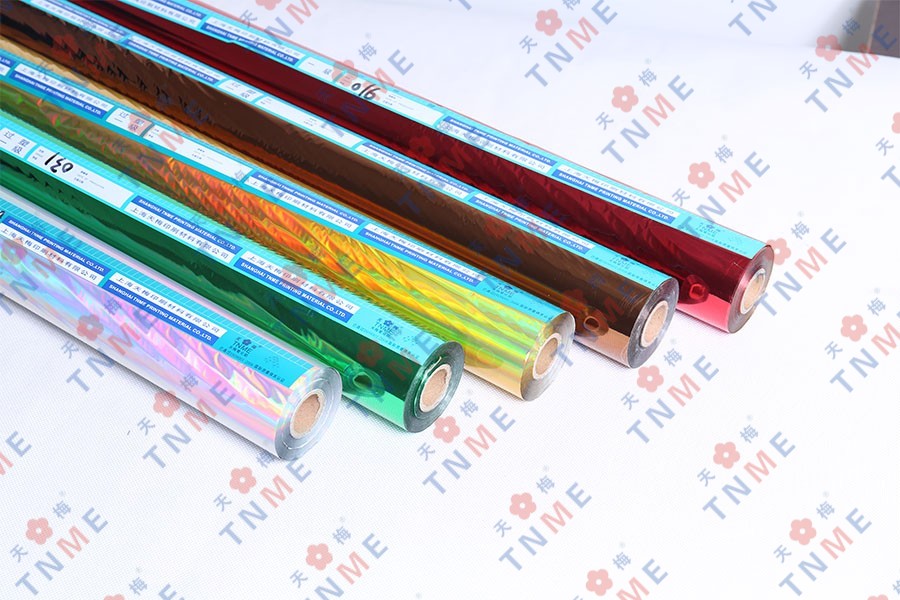
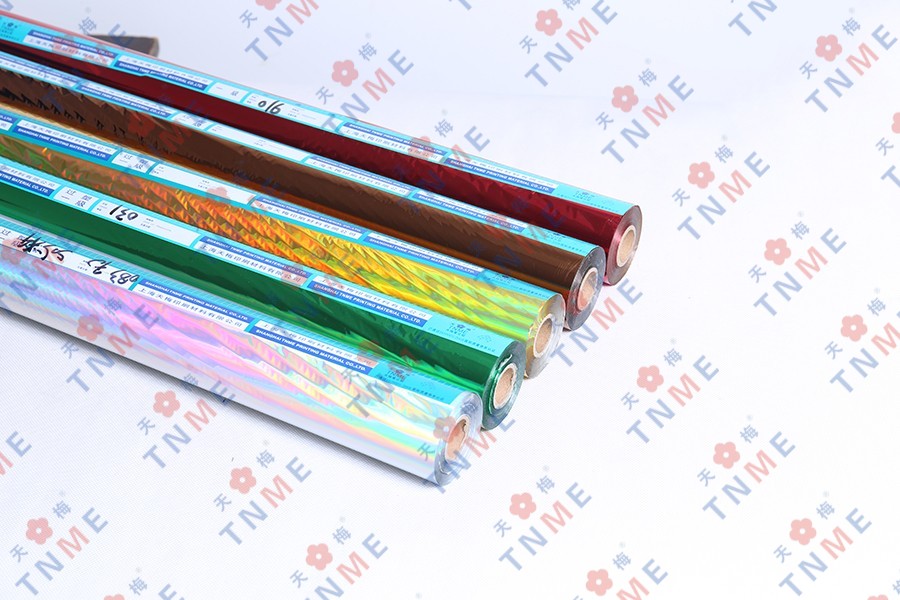
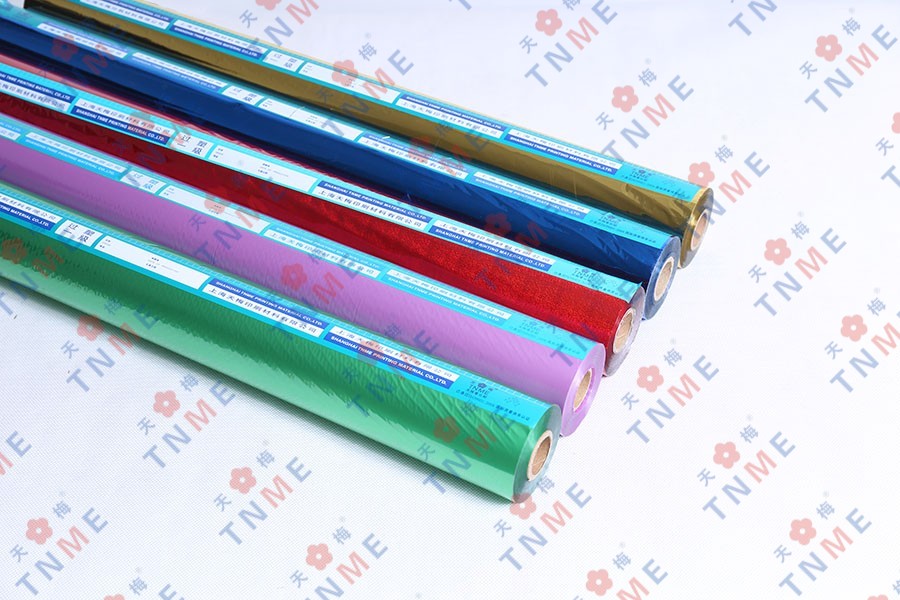
There are five main types of cold foil used in commercial and specialty printing: metallic cold foil, holographic cold foil, pigment (colored) cold foil, matte cold foil, and patterned/textured cold foil. Each type serves a distinct visual and functional purpose, making the right choice critical for achieving the desired print result. Cold foil is applied using UV adhesive and pressure rather than heat, which allows for high-speed inline application on standard offset or flexo presses.
Metallic Cold Foil
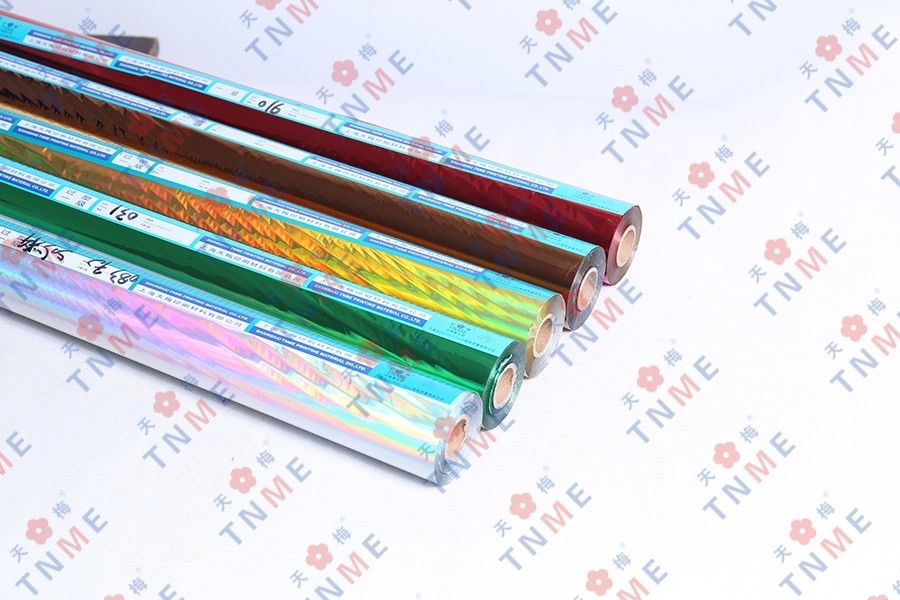
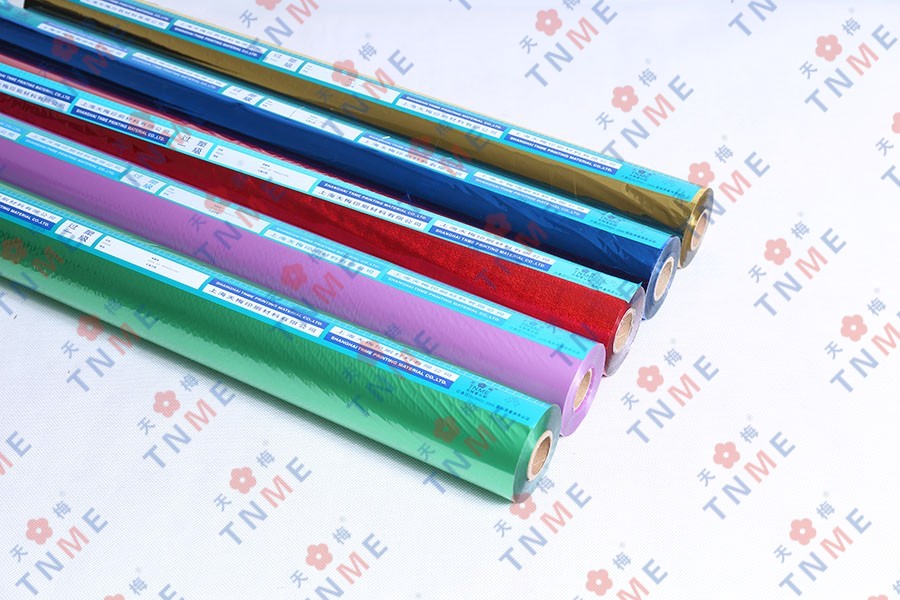
Metallic cold foil is the most widely used type in the printing industry. It delivers a bright, mirror-like reflective surface that simulates the look of traditional hot stamping foil—at a fraction of the cost and processing time.
Common metallic finishes include:
- Gold (bright gold, pale gold, antique gold)
- Silver (chrome, brushed silver, matte silver)
- Copper and bronze
- Red, blue, and green metallic variants
Metallic cold foil is extensively used on packaging for cosmetics, spirits, and premium food products. Gold and silver metallic foils account for over 60% of all cold foil applications globally, making them the industry standard for luxury product branding.
Holographic Cold Foil
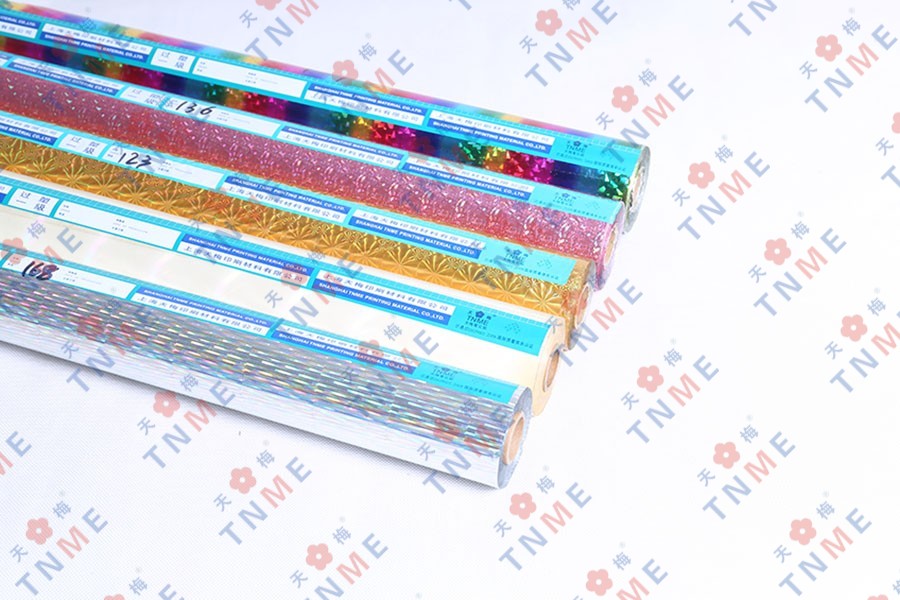
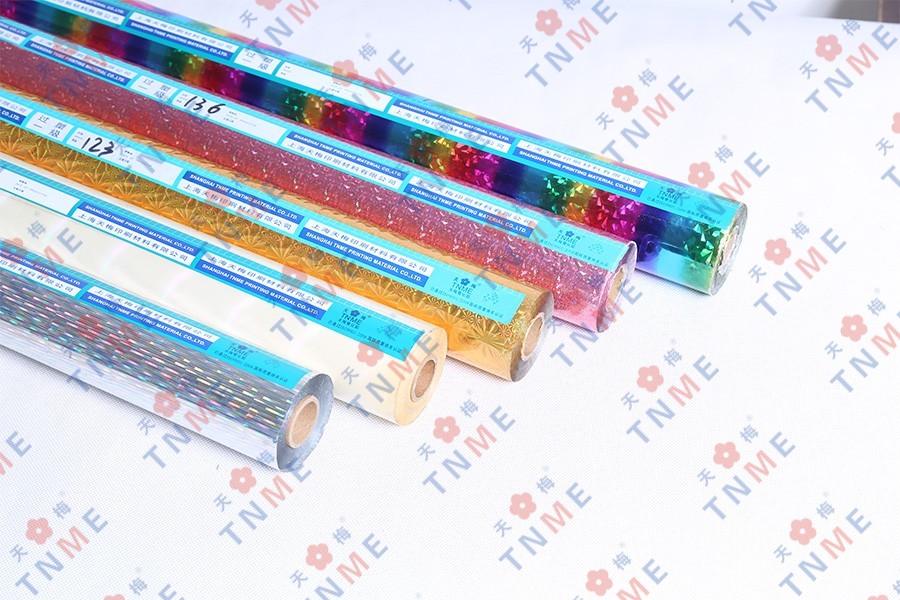
Holographic cold foil contains micro-embossed patterns within the foil layer that diffract light, producing a rainbow-like, shifting visual effect. It is one of the most eye-catching options available and is frequently used for anti-counterfeiting, promotional packaging, and high-impact retail displays.
Common Holographic Pattern Types
- Rainbow holographic – Full-spectrum color shifting across the surface
- Silver holographic – A chrome base with embedded prismatic effects
- Custom pattern holographic – Specific geometric or branded pattern designs
- Glitter holographic – Fine sparkle particles suspended in the foil layer
Because the light-diffracting structure is built directly into the foil, holographic cold foil is extremely difficult to replicate without specialized equipment, making it a preferred choice for security labels and authentication applications.
Pigment (Colored) Cold Foil
Unlike metallic or holographic foils, pigment cold foil uses opaque colored layers rather than reflective metallic layers. The result is a flat, vivid, solid-color finish with a smooth surface that is not reflective but still provides a premium tactile quality.
Pigment cold foil is particularly useful when a brand requires a specific Pantone-matched color with a foiled finish. It is commonly used for:
- Luxury stationery and greeting cards
- Brand-specific packaging where color accuracy is critical
- Book covers and editorial design
This foil type allows designers to combine bold, accurate brand colors with the tactile premium feel of foil stamping—without the metallic gloss that metallic foils produce.
Matte Cold Foil
Matte cold foil provides the material sheen and surface quality of metallic foil but without the high-gloss reflection. The surface is treated with a diffuse coating that scatters light rather than reflecting it directly, creating a sophisticated, understated effect.
Matte cold foil has seen a 25–30% increase in demand over the past five years, driven by consumer preference for minimalist luxury aesthetics in cosmetics, skincare, and high-end food packaging.
Matte vs. Gloss Cold Foil: Key Differences
| Feature | Matte Cold Foil | Gloss (Metallic) Cold Foil |
| Surface Finish | Diffuse, non-reflective | Mirror-like, high-reflective |
| Visual Effect | Subtle, understated elegance | Bold, high-impact glamour |
| Common Application | Skincare, cosmetics, spirits | Confectionery, gifting, luxury goods |
| Overprinting Compatibility | Good (lower glare interference) | Moderate (reflection can affect ink appearance) |
Patterned and Textured Cold Foil
Patterned cold foil incorporates micro-embossed or printed surface designs within the foil itself, such as linen textures, wood grain, geometric patterns, or branded repeat motifs. This type goes beyond the two-dimensional reflective finish and adds a physical or visual texture to the surface.
Textured cold foil is often used when designers want to:
- Simulate materials like brushed metal, carbon fiber, or leather
- Add visual interest to large foiled areas without a flat metallic look
- Create tactile differentiation on packaging shelves
Custom patterned foils are typically produced in higher minimum order quantities and require coordination between the foil supplier and the print production team during prepress.
How Cold Foil Type Affects Print Production
The choice of cold foil type has direct implications for press setup, substrate compatibility, and finishing options. The following factors should be considered when specifying foil type:
- Substrate smoothness – Highly reflective metallic and holographic foils require smoother substrates (coated boards, gloss-laminated films) to achieve full adhesion and visual clarity.
- UV adhesive formulation – Different foil types may require specific adhesive viscosities and UV cure energies; holographic foils are particularly sensitive to adhesive spread.
- Overprinting requirements – Pigment and matte foils accept overprinting more predictably than gloss metallic foils, which can cause ink adhesion issues if not properly prepared.
- Register accuracy – Patterned and holographic foils demand tighter registration tolerances (typically ±0.1 mm or less) to align foil patterns correctly with printed elements.
- Post-press finishing – Lamination, varnishing, or embossing applied after foiling must be tested for compatibility with the specific foil type to avoid delamination or surface damage.
Choosing the Right Cold Foil Type for Your Project
Selecting the appropriate cold foil type depends on the project's visual goals, substrate, budget, and production method. The table below summarizes the most common use cases:
| Cold Foil Type | Best For | Typical Industries |
| Metallic | High-gloss luxury effects | Spirits, cosmetics, confectionery |
| Holographic | Anti-counterfeiting, visual impact | Security, retail, promotions |
| Pigment (Colored) | Brand-accurate color with foil finish | Stationery, publishing, packaging |
| Matte | Subtle luxury, minimalist aesthetics | Skincare, premium food, fashion |
| Patterned/Textured | Material simulation, decorative effects | Specialty packaging, luxury goods |
For most standard packaging applications, metallic gold or silver cold foil remains the most cost-effective and versatile choice. For brands prioritizing uniqueness or security, holographic or patterned foils provide differentiation that is difficult to replicate at the retail level.
Frequently Asked Questions
What is the most common type of cold foil used in packaging?
Metallic cold foil—particularly gold and silver—is the most widely used type, accounting for the majority of cold foil applications in packaging, labels, and printed marketing materials.
Can different types of cold foil be combined on the same print job?
Yes. It is possible to combine multiple foil types (e.g., metallic and holographic) on a single job using multiple foiling stations or passes, though this increases complexity and cost.
Is holographic cold foil effective for anti-counterfeiting?
Yes. The micro-embossed diffraction structures in holographic cold foil are difficult to reproduce without specialized manufacturing equipment, making it a practical deterrent against counterfeiting.
Does matte cold foil cost more than gloss metallic cold foil?
Matte cold foil is generally slightly more expensive than standard gloss metallic foil due to the additional surface treatment required, but the cost difference is typically marginal at commercial print volumes.
What substrates work best with cold foil?
Smooth, coated substrates such as gloss-coated board, laminated film, and coated paper deliver the best cold foil adhesion and visual results. Uncoated or heavily textured stocks can reduce foil clarity and adhesion quality.
Can cold foil be used with digital printing?
Cold foil is primarily used with offset and flexographic presses. Digital cold foil finishing systems do exist, but they typically offer narrower foil width options and lower throughput compared to inline offset foiling.