

 English
 中文简体
中文简体
How Can Foil for Paper Improve Flexible Packaging Barrier Performance?
Industry Background and Application Importance
Flexible packaging has become a cornerstone of modern industrial supply chains across food, pharmaceutical, consumer goods, electronics, and industrial materials. Its dominance is not arbitrary; flexible packaging enables reduced material usage, transportation efficiency, extended product shelf life, and adaptability to automated processing. However, these advantages come with technical demands: flexible packaging must simultaneously provide mechanical protection, barrier performance against gases and moisture, printability, machinability in high‑speed lines, recyclability, and cost competitiveness.
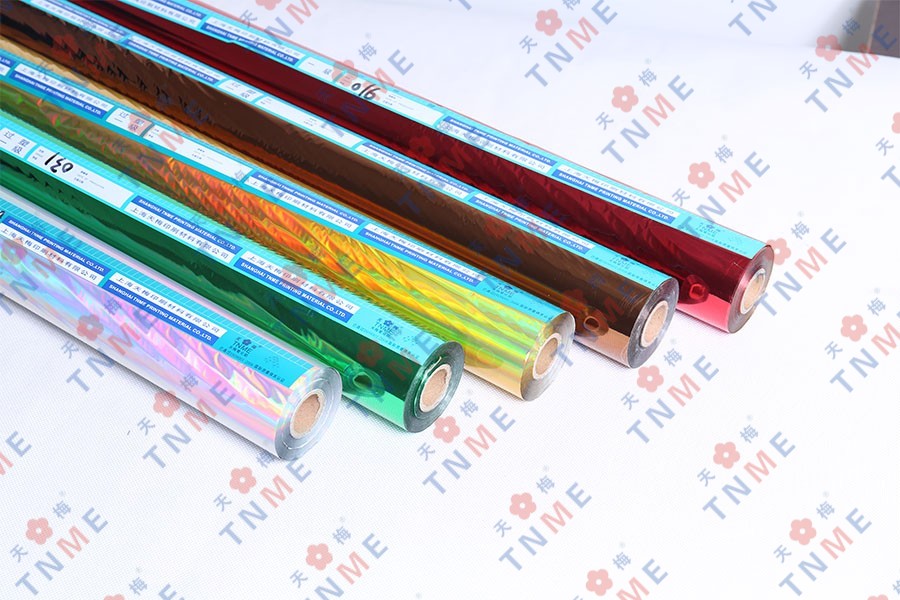
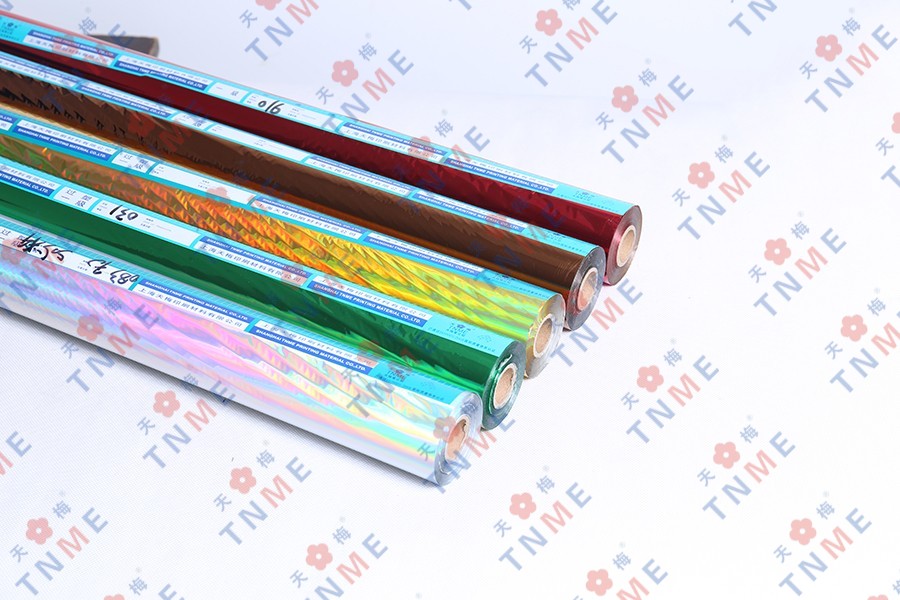
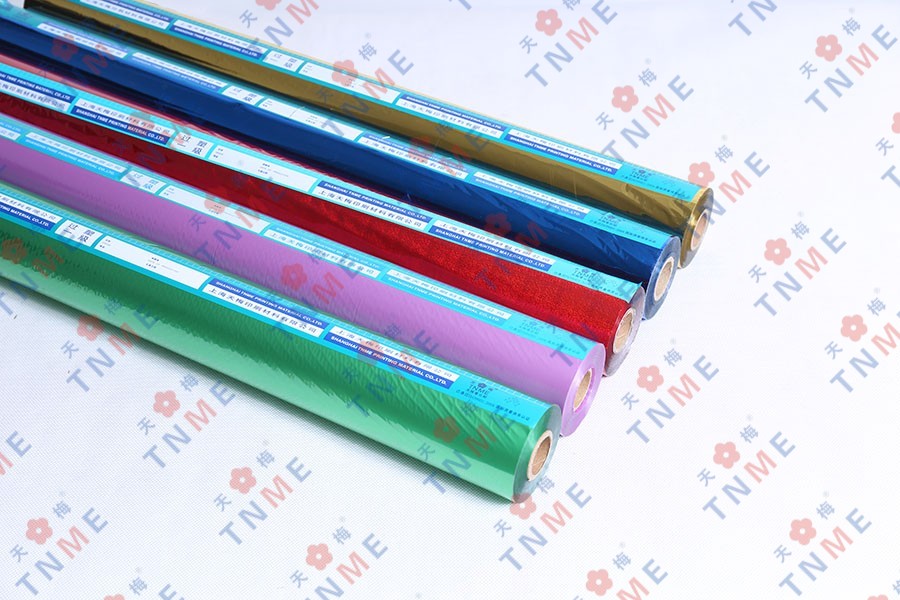
Among the materials used to meet these demands, foil for paper plays a critical role in barrier enhancement. By integrating highly impermeable metal foil layers with paper substrates, converters and materials engineers can achieve a balance of structural integrity, barrier performance, and processing compatibility that is difficult to obtain with polymer films alone.
In many markets, packaging failures due to inadequate barrier protection lead to significant direct and indirect costs. In food packaging, oxygen and water vapor ingress can cause spoilage, loss of texture and flavor, and reduced nutritional value. In pharmaceuticals, exposure to moisture or oxygen can degrade active ingredients, compromise sterility, and reduce efficacy. In electronics and industrial chemicals, moisture and particulate infiltration can trigger corrosion, degradation, or unwanted chemical reactions.
The integration of foil for paper into flexible packaging systems addresses these challenges at a material system level. It provides a surface barrier that complements polymer films, enhancing impermeability while maintaining mechanical flexibility and enabling cost‑effective manufacturing.
Industry Core Technical Challenges
Improving barrier performance in flexible packaging is not a singular material problem but a systems engineering challenge that involves interaction among multiple layers, processing conditions, and use cases.
1. Balancing Barrier Performance with Flexibility
A key engineering challenge is achieving high barrier performance without compromising flexibility or forming defects such as cracks, delamination, or microtears during processing and end use. Pure metal foil layers (e.g., aluminum foil) deliver excellent gas and moisture barriers but are prone to fatigue under repeated bending. Integrating foil for paper requires understanding how metal foil behaves in composite structures with compliant paper layers under cyclic stress.
2. Adhesion Between Heterogeneous Layers
Ensuring robust adhesion between metal foil and paper substrates, and between these and polymer sealant layers, presents substantial interfacial engineering challenges. Poor adhesion can lead to blistering, edge lift, and loss of barrier integrity, particularly under thermal cycling such as retort, hot‑fill, or cold chain conditions.
3. Compatibility With High‑Speed Converting
Flexible packaging is typically manufactured at high speeds using processes such as extrusion coating, lamination, printing, and pouch forming. Foil‑for‑paper systems must integrate into these processes without causing web breaks or machine stalls, yet retain barrier functionality.
4. Moisture and Gas Permeation Control
Moisture vapor transmission rate (MVTR) and oxygen transmission rate (OTR) targets vary by application. Achieving low permeation rates while balancing cost and mechanical requirements requires precise control of foil thickness, metallization uniformity, and sealing layer properties.
5. Recyclability and Sustainability
Engineering packaging systems for recyclability adds another layer of complexity. Systems that combine dissimilar materials (e.g., metals and polymers) challenge existing recycling streams. Therefore, choosing foil for paper solutions must consider end‑of‑life pathways and regulatory requirements.
6. Cost and Supply Chain Constraints
Materials engineers and procurement leaders must navigate raw material cost volatility (e.g., aluminum markets) and supply constraints that impact the feasibility of foil‑enhanced systems. Optimizing foil thickness and substrate usage to balance performance and cost is a persistent challenge.
Key Technical Paths and System‑Level Solutions
Addressing the above challenges requires a holistic view of the flexible packaging material system, processing methods, and end‑use environment. Below we outline the key technical paths and system‑level approaches that materially leverage foil for paper to improve barrier performance.
A. Multilayer Composite Architecture
Flexible packaging typically involves multiple layers, each serving specific functions (barrier, structural support, sealability, printability). Foil for paper functions as a barrier core, paired with polymer films for sealing and mechanical support.
A generic multilayer stack might include:
| Layer Function | Typical Material | Role |
|---|---|---|
| Exterior printable surface | Paper / polymer | Graphics, mechanical toughness |
| Barrier core | Foil for paper composite | Gas/moisture impermeability |
| Tie / adhesive layer | Functional polymers | Enhances bond strength |
| Sealant layer | Polyolefin or other | Heat sealability |
This architecture enables designers to tailor barrier properties while optimizing for flexibility and processing compatibility.
B. Optimized Metallization and Foil Integration
Engineering the foil within paper substrates increases barrier performance. Two common approaches include:
1. Vacuum Metallization
A thin layer of metal is deposited onto paper through a controlled vacuum process. The result is a conformal barrier coating that adheres well and preserves paper flexibility.
2. Composite Foil Lamination
Thicker metal foils laminated to paper provide superior barrier but require careful design to avoid stiffness and cracking.
The choice between these approaches depends on barrier targets, converting processes, and lifecycle considerations.
C. Interfacial Adhesion Engineering
Interlayer adhesion is critical. System‑level solutions include:
- Functionalized adhesive layers tailored to bond metal foil to cellulose fibers in paper.
- Corona / plasma surface treatments to enhance surface energy and adhesion.
- Gradient adhesive systems that transition modulus between rigid foil and compliant paper.
These methods reduce delamination risk and enhance barrier integrity under thermal and mechanical stress.
D. Controlled Web Handling in Converting
Foil for paper composites behave differently under tension compared to homogeneous polymer films. Web handling solutions include:
- Adaptive tension control systems in roll‑to‑roll lines.
- Guided rollers with surface finish matching to reduce slip and scratching.
- Real‑time feedback loops for defect detection (e.g., edge lift, wrinkles).
E. Barrier Performance Testing and Validation
A system‑level engineering approach mandates rigorous testing. Key performance metrics include:
- Oxygen Transmission Rate (OTR)
- Moisture Vapor Transmission Rate (MVTR)
- Seal strength and integrity
- Fatigue resistance under cyclic flexing
Integrating barrier testing early in development prevents field failures and aligns material choices with end‑use requirements.
F. End‑of‑Life and Circularity Considerations
Design strategies that enhance recyclability include:
- Sealant layer selection compatible with mono‑material recycling streams
- Minimizing incompatible adhesives
- Designing to detach foil components efficiently
These system choices impact recycling efficiency and compliance with emerging regulatory frameworks.
Typical Application Scenarios and System Architecture Analysis
To illustrate where foil for paper adds value, we analyze application scenarios with system architecture diagrams and performance considerations.
1. High‑Barrier Food Packaging
Use Case: Dry snacks, coffee, powdered foods.
Barrier Requirements:
- Low oxygen ingress to prevent oxidation
- Low moisture ingress to maintain crispness
System Architecture Example:
[Printable Paper Exterior] – [Adhesive Tie] – [Metallized Foil for Paper] – [Adhesive Tie] – [Sealant Layer]
Key Considerations:
- Metallized foil layer provides primary barrier against oxygen and moisture.
- Adhesive tie layers ensure bond integrity under heat sealing.
- Sealant layer ensures hermetic closure.
Performance Impact:
- MVTR and OTR significantly lower than polymer‑only structures.
- Printability of paper enables differentiation without overcoating.
2. Pharmaceutical Blister Support Laminate
Use Case: Secondary packaging for tablets and capsules.
Barrier Requirements:
- Very low moisture and oxygen ingress due to sensitive active pharmaceutical ingredients (APIs)
System Architecture Example:
[Paper Support Layer] – [Foil Layer] – [Heat Seal Lacquer] – [Cold Form Foil]
In some systems, foil for paper replaces traditional alu‑foil support layers, reducing weight and enabling better machine handling.
Key Considerations:
- Meticulous sealing surface design for blister forming.
- Consistency in foil thickness to prevent weak spots.
Performance Impact:
- Maintained stability of APIs under humidity without increasing package weight.
3. Electronic Component Packaging
Use Case: Moisture sensitive devices (MSDs)
Barrier Requirements:
- Ultra‑low moisture ingress
- Electrostatic discharge (ESD) considerations
System Architecture Example:
[Exterior Paper for Handling] – [Metallized Foil for Paper Barrier] – [Internal ESD Protective Layer] – [Sealant]
Key Considerations:
- Foil layer must function with ESD protective liners.
- Barrier must withstand thermal profiles in drying and storage.
Performance Impact:
- Enhanced protection during storage and transit, reducing failure rates.
Technical Solutions’ Impact on System Performance
The integration of foil for paper within flexible packaging systems influences multiple engineering performance dimensions:
A. Barrier Integrity and Shelf Life
System‑level improvement in barrier metrics such as OTR and MVTR directly correlates with extended shelf life and reduced spoilage. Foil layers provide near‑impermeable barriers, enabling compliance with stringent specifications.
This yields:
- Reduced oxidative degradation
- Minimized moisture ingress
- Enhanced product quality over distribution cycles
Barrier performance gains must be validated through standardized tests that simulate real‑world conditions.
B. Mechanical Reliability
A typical challenge for barrier layers is mechanical fatigue. When engineered properly:
- Foil for paper composites distribute stress across paper and foil layers.
- Flexible systems resist cracking under handling and forming operations.
Engineering controls such as adhesive strategies and web handling further reduce defect incidence.
C. Process Efficiency and Yield
Improved material stability enables:
- Higher line speeds due to predictable web behavior
- Reduced downtime from web breaks
- Better print registration in converting
This impacts total cost of ownership and throughput.
D. Sustainability and Lifecycle Impact
Materials and systems designed with circularity in mind contribute to reduced environmental impact:
- Potential for inclusion in existing recycling streams (paper‑centric)
- Reduced reliance on thick polymer films
- Lifecycle analyses that show lowered embodied energy when foil thickness is optimized
However, lifecycle impacts must be evaluated holistically, including end‑of‑life outcomes.
Industry Trends and Future Technology Directions
The landscape of flexible packaging and barrier engineering continues to evolve. Several trends are shaping how foil for paper will be applied in the near future.
1. Digital Integration in Materials Engineering
Digital tools for simulating barrier performance, stress distribution, and fatigue life are becoming essential in system design. These tools enable:
- Predictive modeling of barrier performance under variable conditions
- Virtual prototyping of multilayer structures
- Integration of digital twins with converting equipment
2. Sustainable Barrier Alternatives
Regulatory pressure and customer demand are driving adoption of materials with better end‑of‑life outcomes. Innovations include:
- Single‑material barrier systems that use foil for paper as a core and coatings compatible with recycling
- Biodegradable or compostable adhesive systems
These directions require system‑level optimization to avoid unintended performance loss.
3. Intelligent Barrier Sensors
Embedding sensors or indicators within packaging (e.g., oxygen sensors that change color) could become valuable in some high‑value markets. Foil for paper’s conductive properties may support sensor integration.
4. Advanced Surface Engineering
Surface engineering techniques such as graded adhesive layers, nanostructured coatings, and micro‑textured interfaces are improving adhesion and barrier uniformity. These techniques help reconcile the dichotomy between barrier performance and mechanical flexibility.
5. Supply Chain Resilience
Recent global events have highlighted the importance of resilient material supply chains. Flexible packaging systems engineered to use material alternatives without compromising performance are increasingly valued. Foil for paper can serve as a strategic material in diversified supply portfolios.
Summary: System‑Level Value and Engineering Significance
The use of foil for paper in flexible packaging is not a matter of adding a high‑barrier layer; it reflects a systems engineering decision that balances barrier performance, mechanical reliability, processing compatibility, sustainability, and cost.
Key takeaways include:
- Layered composite structures using foil for paper deliver enhanced barrier performance essential for food, pharmaceutical, and electronics packaging.
- Success depends on interlayer adhesion strategies, optimized converting processes, and rigorous validation of barrier metrics.
- Engineering perspectives that incorporate lifecycle, recycling, and supply chain considerations ensure materials systems are viable in the long term.
- Technology directions such as digital modeling, sustainable materials, and surface engineering are expanding the potential of foil for paper in packaging.
Frequently Asked Questions
Q1: What distinguishes foil for paper from traditional polymer barrier films?
A1: Foil for paper integrates a metal barrier layer (often aluminum) within or on a paper substrate, offering superior impermeability compared to many polymers. Unlike polymer films alone, foil layers can achieve much lower OTR and MVTR values, essential where high barrier performance is needed.
Q2: Can foil for paper be processed on conventional flexible packaging lines?
A2: Yes — but process adaptation and controls such as tension management, web guiding, and adhesive selection are critical to ensure defect‑free production at high speeds.
Q3: How does foil for paper influence recyclability?
A3: Recyclability depends on the material system. Composite structures with compatible adhesives and sealants designed for mono‑stream recycling can improve end‑of‑life outcomes, but complex laminates may complicate recycling streams.
Q4: What tests should be conducted to verify barrier performance?
A4: Essential tests include controlled measurement of OTR and MVTR, seal integrity under thermal cycles, and mechanical fatigue testing to assess performance under repeated handling.
Q5: How does foil thickness affect barrier and flexibility?
A5: Thicker foils typically improve barrier performance but can reduce flexibility and increase susceptibility to cracking. Engineering trade‑offs must be assessed in the context of application requirements and converting processes.
References
- Snyder, R. Flexible Packaging: Materials, Processes, and Performance, Journal of Packaging Science.
- Lee, H., & Kim, J. Barrier Engineering for Flexible Packaging – Materials Science Review.
- Patel, S. Adhesion and Interface Techniques in Multilayer Flexible Packaging – International Materials Journal.