

 English
 中文简体
中文简体
How do different pigment foil carrier films influence transfer quality?
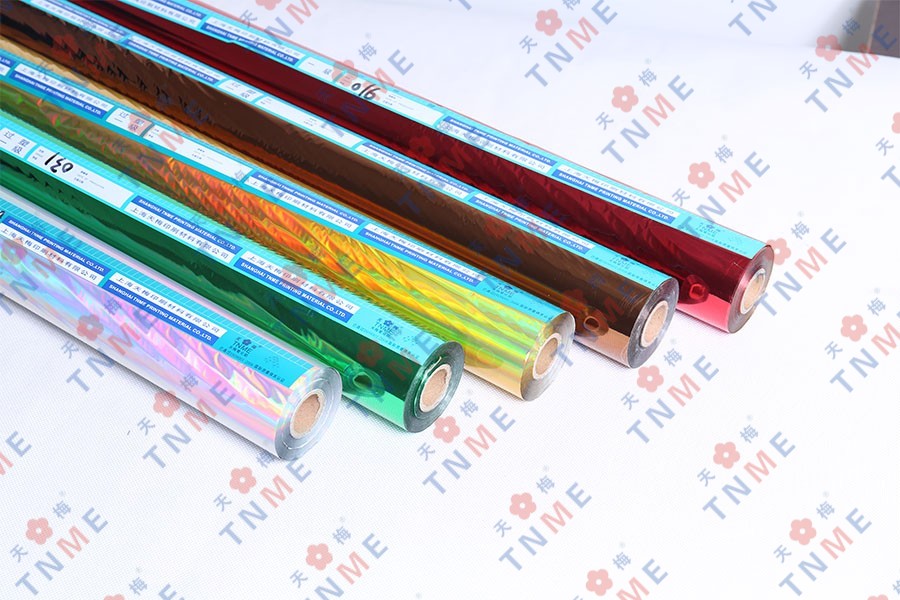
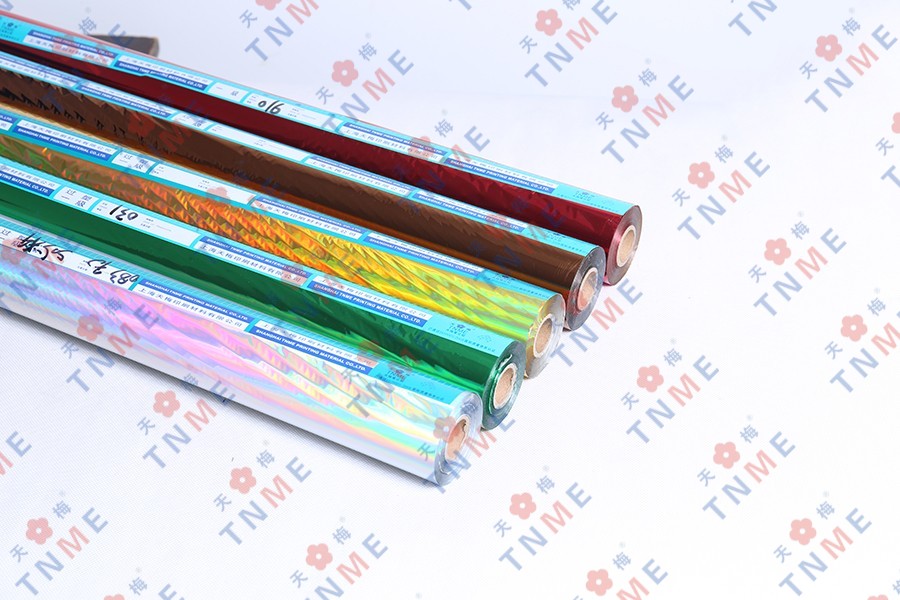
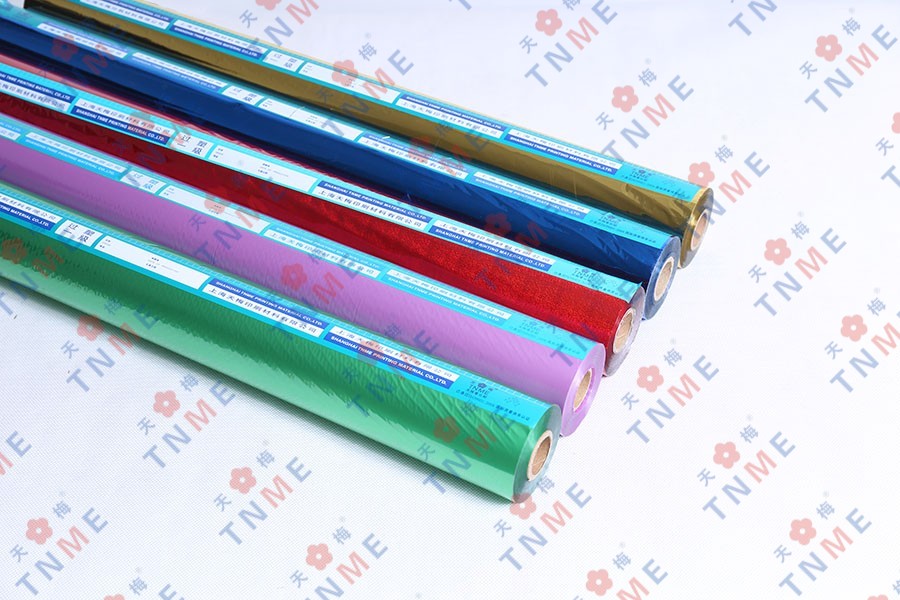
Pigment foil has become a cornerstone material in modern packaging, labeling, and specialty printing industries. One of the critical aspects influencing the performance of pigment foil is the type of carrier film used during production. Carrier films act as the backbone for pigment transfer, ensuring consistent adhesion, uniform application, and optimal finish.
Understanding pigment foil and carrier films
Pigment foil is composed of a pigment layer applied to a backing material that enables heat and pressure transfer onto substrates. The carrier film plays a critical role in maintaining the structural integrity of the foil during handling, storage, and application. It also determines the smoothness, durability, and clarity of the transferred image.
Carrier films vary in material composition, thickness, and surface properties. Common materials include polyester, polypropylene, and specialized polymer blends. Each type of carrier film offers specific advantages and limitations. Choosing the appropriate carrier film directly impacts transfer quality, affecting everything from color vibrancy to adhesion and resistance to environmental stress.
Types of carrier films and their influence on transfer quality
Polyester carrier films
Polyester (PET) carrier films are widely used in the pigment foil industry due to their strength, dimensional stability, and thermal resistance. Polyester provides a smooth, non-porous surface that allows pigment layers to release cleanly during heat transfer.
Influence on transfer quality:
- Consistent adhesion: The rigid structure of polyester ensures even contact between the pigment and substrate, reducing defects such as smudging or incomplete transfer.
- High definition printing: The smooth surface allows fine details and intricate designs to be transferred with clarity.
- Durability under heat: Polyester withstands high stamping temperatures without warping, ensuring uniform pigment release.
While polyester carrier films are ideal for high-quality applications, they may not be suitable for extremely flexible substrates due to their rigidity.
Polypropylene carrier films
Polypropylene (PP) carrier films are lighter and more flexible than polyester, offering advantages in applications requiring contouring or wrapping around irregular surfaces.
Influence on transfer quality:
- Flexibility: PP films conform better to curved or textured surfaces, reducing the risk of incomplete adhesion in complex designs.
- Ease of handling: Lightweight PP carrier films are easier to process on high-speed production lines.
- Lower heat resistance: While effective for low- to medium-temperature applications, PP may warp or stretch under higher temperatures, potentially causing uneven transfer.
PP films are commonly selected for products where flexibility and cost-efficiency are priorities, though they may compromise transfer precision compared to polyester.
Specialized polymer carrier films
Advanced polymer blends are engineered to combine the properties of rigidity, flexibility, and thermal stability. These films are designed to optimize pigment foil performance for demanding applications, such as high-speed packaging lines or premium product finishes.
Influence on transfer quality:
- Balanced performance: The hybrid structure maintains dimensional stability while accommodating curved or irregular surfaces.
- Improved release properties: Specialized coatings or additives reduce the adhesion between the carrier and pigment layer, minimizing defects during transfer.
- Enhanced color fidelity: The film supports consistent pigment density, contributing to vibrant and uniform finishes.
Specialized films often carry higher production costs but deliver superior results where both quality and versatility are critical.
Key factors affecting pigment foil transfer quality
Surface smoothness
The smoothness of the carrier film surface directly influences the contact between the pigment layer and the substrate. Rough or uneven surfaces may cause inconsistent transfer, leaving gaps, streaks, or blurred details. Smooth films, particularly polyester, provide clean edges and precise designs, which is essential for high-end packaging and labeling applications.
Thickness and flexibility
The thickness of the carrier film affects its handling and heat distribution. Thicker films are more stable and reduce the risk of tearing during processing but may be less adaptable to curved or irregular surfaces. Thinner films, while flexible, may stretch or deform under heat, affecting transfer quality. Selecting the appropriate thickness depends on both the application and the desired finish.
Thermal properties
Carrier films must tolerate the temperature range required for pigment transfer without warping or shrinking. Films with insufficient thermal stability can lead to uneven pigment adhesion, color distortion, and defects in the finished product. Polyester generally provides the best thermal performance, while polypropylene is suited for low- to medium-temperature applications.
Adhesion characteristics
Some carrier films incorporate coatings to control adhesion between the pigment and the film. Optimal adhesion ensures that the pigment remains on the substrate while the carrier releases cleanly. Poor adhesion can lead to pigment retention on the carrier, incomplete transfer, or surface defects on the substrate.
Environmental resistance
Carrier films must also withstand environmental factors, such as humidity and UV exposure. Excess moisture can cause curling, while UV sensitivity can degrade the carrier, compromising the transfer quality. Advanced polymer blends are often treated to resist these conditions, providing consistent results even in challenging production environments.
Comparing carrier film performance across substrates
The performance of pigment foil depends not only on the carrier film but also on the type of substrate. Common substrates include coated and uncoated paper, cardboard, plastics, and specialty materials.
| Carrier Film Type | Substrate Compatibility | Advantages | Limitations |
|---|---|---|---|
| Polyester | Paper, cardboard, plastics | High definition, heat-resistant, precise transfer | Less flexible on irregular surfaces |
| Polypropylene | Paper, flexible plastics | Flexible, lightweight, cost-effective | Lower thermal stability, potential transfer inconsistency |
| Specialized polymers | Paper, cardboard, plastics, complex surfaces | Balanced flexibility and stability, superior release, vibrant colors | Higher cost |
This comparison illustrates that selecting the right carrier film requires balancing substrate type, desired finish, and production conditions.
Best practices for optimizing pigment foil transfer
- Match carrier film to substrate: Always select a carrier film that complements the substrate’s surface texture, flexibility, and heat tolerance.
- Maintain proper storage conditions: Protect carrier films from humidity, direct sunlight, and temperature fluctuations to preserve their smoothness and adhesion properties.
- Adjust heat and pressure parameters: Fine-tuning the heat and pressure settings for each carrier film type ensures consistent pigment transfer without defects.
- Test samples before full production: Running small-scale trials can identify potential issues related to carrier film selection, adhesion, or substrate compatibility.
- Monitor environmental conditions: Humidity, temperature, and handling during production all affect transfer quality. Maintaining stable conditions minimizes transfer errors.
Emerging trends and innovations in carrier films
The pigment foil industry continues to innovate, focusing on carrier films that enhance transfer quality while addressing sustainability. Recent developments include:
- Eco-friendly carrier films: Biodegradable or recyclable polymers reduce environmental impact without compromising performance.
- Advanced coatings: Improved anti-adhesion and heat-resistant coatings support high-speed production and vibrant finishes.
- Multi-layer films: Combining different polymers in layers can optimize flexibility, thermal resistance, and surface smoothness simultaneously.
These innovations are helping manufacturers meet growing demands for high-quality, sustainable pigment foil applications.
Conclusion
The choice of carrier film is a fundamental factor influencing pigment foil transfer quality. Each film type—polyester, polypropylene, or specialized polymers—offers distinct advantages and limitations, impacting adhesion, precision, thermal stability, and substrate compatibility.
In an industry where precision, color fidelity, and finish quality are paramount, selecting the right carrier film is not merely a technical decision—it is a strategic one that directly affects product performance and market success.