

 English
 中文简体
中文简体
How does pearl foil react to heat during hot stamping or embossing processes?
Pearl foil is a widely used decorative material in the packaging, printing, and luxury goods industries. Its distinct pearlescent sheen and versatility make it an ideal choice for enhancing product aesthetics. Among its various applications, hot stamping and embossing are two of the most common methods to transfer or imprint designs onto substrates.
Understanding pearl foil
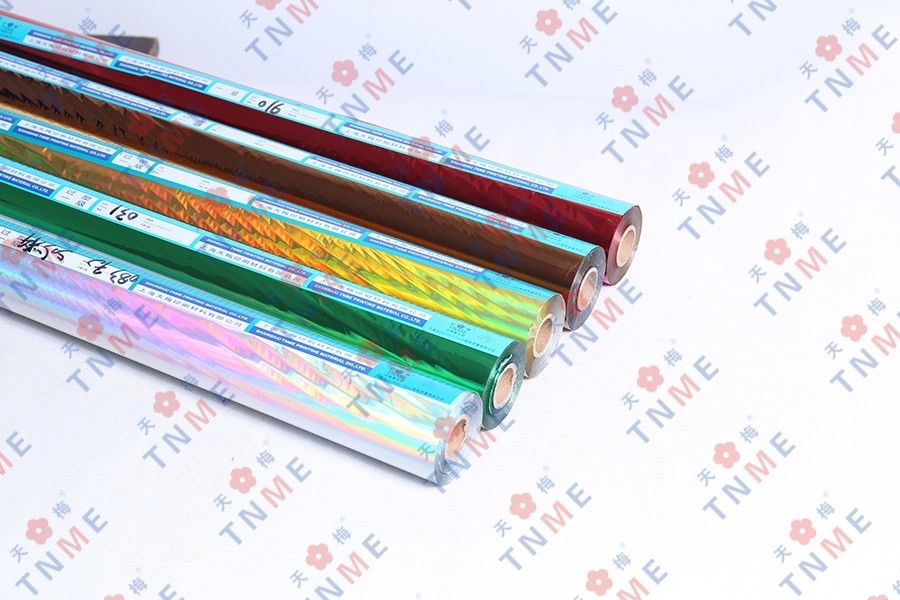
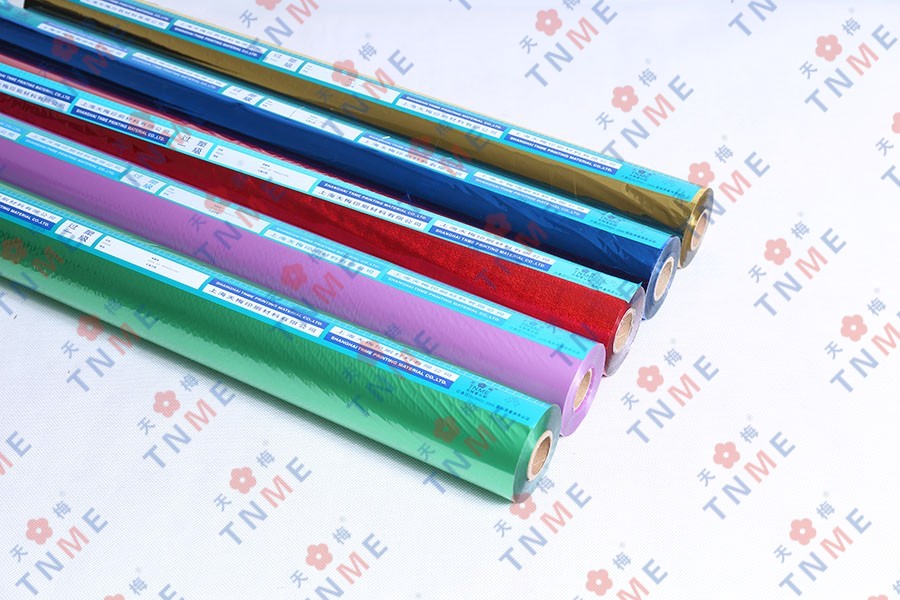
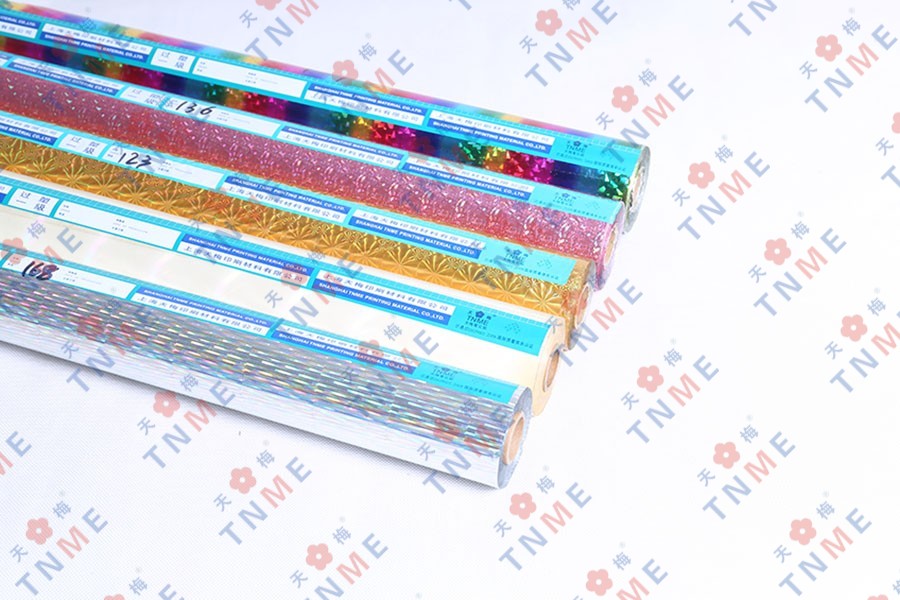
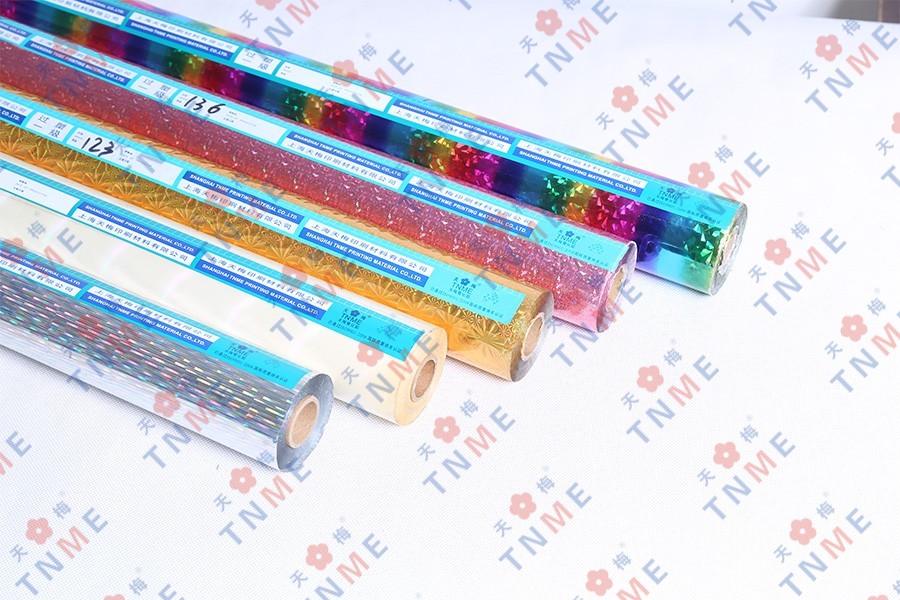
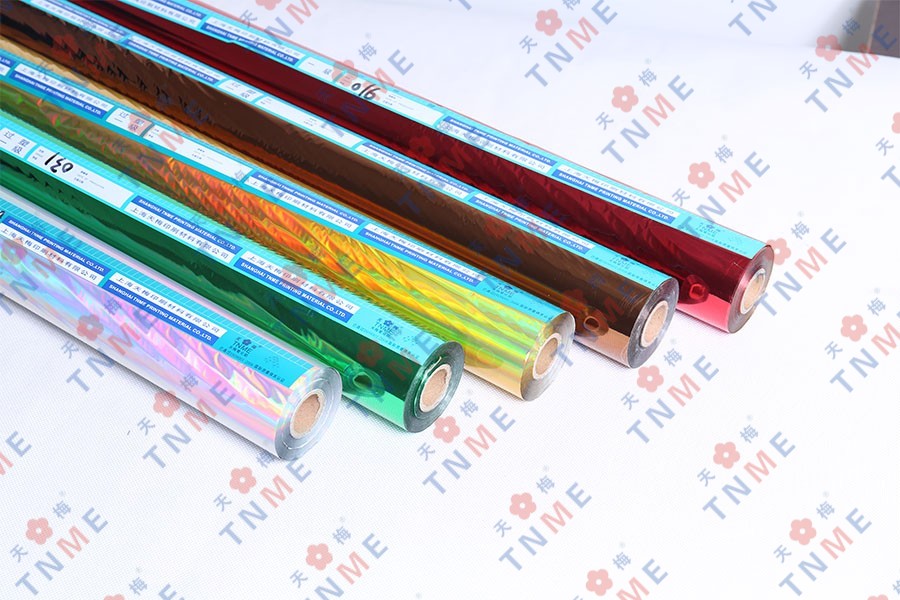
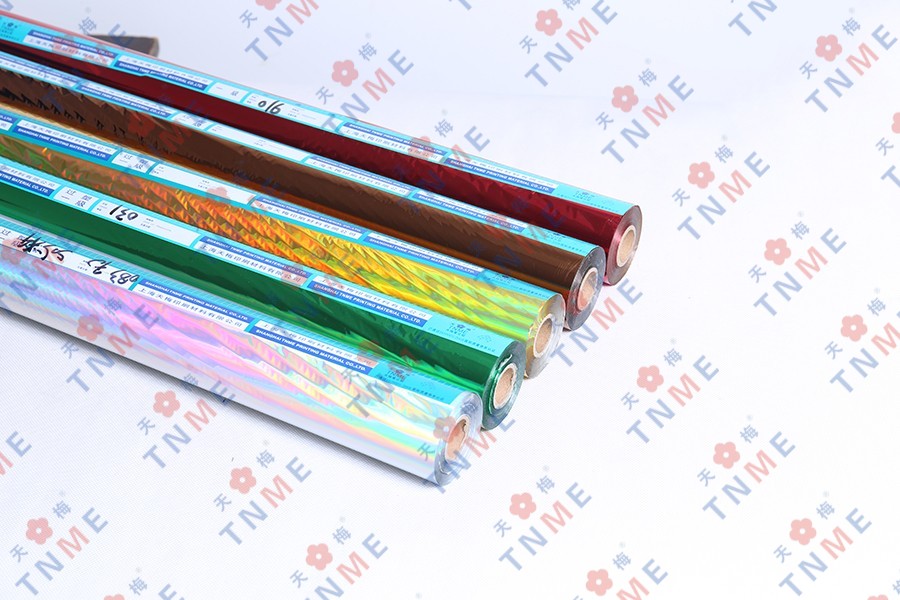
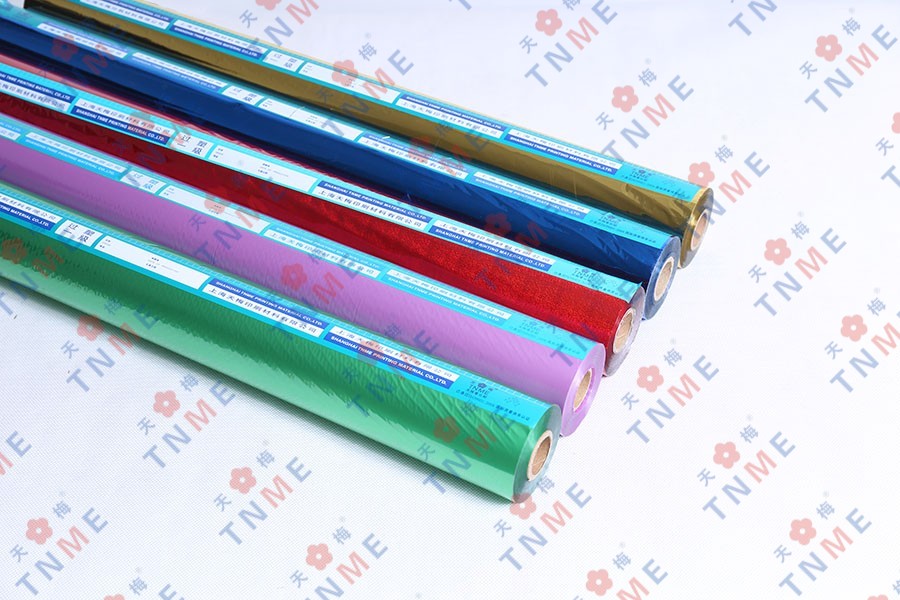
Pearl foil is a thin, flexible material that typically consists of a carrier film, a layer of pearlescent pigments, and an adhesive or release coating. Its reflective surface creates a shimmering effect that is visually appealing, making it highly sought after in high-end packaging, stationery, and decorative industries.
The composition of pearl foil directly influences its performance during heat-based applications. Key components include:
- Carrier film: Provides structural integrity and acts as the support layer for the pigment.
- Pearlescent pigments: Responsible for the shimmering, pearl-like appearance.
- Heat-sensitive adhesive: Allows the foil to bond to substrates during hot stamping or embossing.
Proper selection of pearl foil according to thickness, finish, and adhesive type is essential to ensure that the material reacts appropriately to heat and pressure during processing.
How heat affects pearl foil
Pearl foil is highly sensitive to temperature, and its reaction to heat can determine the quality of the final product. When applied through hot stamping, the heat activates the adhesive, allowing the foil to bond to the substrate. The process involves a combination of temperature, pressure, and dwell time, all of which must be carefully controlled.
- Optimal bonding temperature: Each type of pearl foil has a specific temperature range at which the adhesive activates without damaging the foil or substrate. Exceeding this temperature can cause warping, discoloration, or melting, while insufficient heat may result in incomplete transfer.
- Heat distribution: Uneven heat can lead to inconsistent adhesion and irregular reflective effects. Maintaining uniform temperature across the stamping surface ensures consistent results.
- Pigment behavior under heat: The pearlescent pigments in pearl foil are generally stable, but excessive heat may cause dullness or loss of luster, affecting the visual appeal of the stamped design.
In embossing applications, heat is applied to soften the substrate and allow the foil to conform to raised patterns. Proper thermal management prevents tearing of the foil and maintains a smooth finish.
Hot stamping with pearl foil
Hot stamping is a technique where heat and pressure are applied to transfer foil designs onto a substrate. This method is particularly effective for decorative packaging, labels, and premium product surfaces.
Key considerations for hot stamping
- Substrate compatibility: Pearl foil reacts differently depending on the material it is applied to, such as paper, cardboard, plastics, or synthetic leather. High heat tolerance substrates ensure better adhesion and minimize deformation.
- Temperature control: Maintaining the recommended temperature range for the specific pearl foil ensures optimal transfer. Too low a temperature results in partial adhesion, while too high a temperature can degrade the foil or substrate.
- Pressure settings: Proper pressure ensures full contact between the foil and substrate, improving adhesion without damaging the material.
- Dwell time: This is the duration the heated die or plate remains in contact with the foil. Sufficient dwell time allows the adhesive to activate fully and bond with the substrate, while too long can overheat the foil.
By carefully balancing temperature, pressure, and dwell time, manufacturers can achieve high-quality pearl foil transfers with minimal defects.
Common challenges in hot stamping
Even with proper settings, pearl foil can exhibit certain reactions that need to be managed:
- Wrinkling or bubbling: Often caused by uneven heat or excessive pressure.
- Color inconsistency: Variations in foil thickness or pigment distribution can result in uneven pearlescent effects.
- Incomplete transfer: Occurs when heat or pressure is insufficient to activate the adhesive fully.
Understanding these behaviors allows operators to troubleshoot and optimize the hot stamping process for consistent results.
Embossing with pearl foil
Embossing involves pressing a design into a substrate, often in combination with pearl foil to create a raised, decorative effect. Heat is applied to facilitate foil adhesion and enhance the three-dimensional effect.
Factors affecting embossing quality
- Foil flexibility: Pearl foil must be sufficiently flexible to conform to raised patterns without tearing. Thicker foils may resist embossing, while ultra-thin foils may wrinkle.
- Heat distribution: Uniform heat ensures that the foil adheres evenly across the embossed design. Localized overheating can result in melted or dull areas.
- Pressure and die design: The embossing die must apply consistent pressure across the design. Irregular pressure can distort the pattern or create uneven shine.
- Substrate characteristics: Heat-sensitive or brittle substrates require careful temperature management to avoid deformation during embossing.
By understanding how pearl foil reacts to heat, embossing operators can achieve crisp, durable designs with a high-quality pearlescent finish.
Best practices for managing heat reactions
To maximize the performance of pearl foil in heat-based processes, several best practices should be followed:
- Pre-test materials: Conduct sample runs on a small scale to determine the optimal temperature, pressure, and dwell time for specific foil-substrate combinations.
- Monitor equipment temperature: Regular calibration of hot stamping and embossing machines ensures consistent heat application.
- Control environmental conditions: Humidity and ambient temperature can influence foil adhesion and heat transfer. Maintain stable production conditions.
- Use high-quality substrates: Substrates with consistent heat resistance and surface smoothness improve adhesion and reduce defects.
- Avoid rapid temperature changes: Gradual heating and cooling prevent warping or pigment degradation in the foil.
Implementing these practices reduces material waste and ensures a visually appealing final product.
Comparative insights: hot stamping vs embossing
| Process | Heat Role | Pearl Foil Reaction | Key Considerations |
|---|---|---|---|
| Hot stamping | Activates adhesive for transfer | Bonds foil to substrate, pigments remain stable | Temperature, pressure, dwell time |
| Embossing | Softens substrate, enhances 3D pattern | Foil conforms to raised patterns, flexible foils perform better | Die design, heat distribution, substrate flexibility |
This comparison highlights that while both processes rely on heat, pearl foil reacts differently depending on the method, and operators must adjust settings accordingly.
Common applications impacted by heat reactions
Understanding how pearl foil responds to heat is essential for various industry applications:
- Luxury packaging: Heat-sensitive designs benefit from controlled hot stamping to maintain foil luster.
- Stationery and invitations: Embossed designs with pearl foil create tactile, high-end effects.
- Product labeling: Consistent adhesion ensures logos and decorative elements remain visually appealing.
- Decorative plastics and synthetic materials: Proper heat management prevents melting or warping during foil application.
These examples illustrate the practical importance of understanding foil behavior under heat in different applications.
Troubleshooting heat-related issues
Even with careful process control, manufacturers may encounter challenges:
- Foil peeling: Usually caused by insufficient heat or pressure; adjust machine settings.
- Discoloration or dull areas: Overheating can affect pigment stability; reduce temperature and dwell time.
- Wrinkles or bubbles: Often due to uneven substrate surface or improper foil handling; ensure smooth contact and proper tension.
Systematic troubleshooting ensures minimal production downtime and consistent product quality.
Conclusion
Pearl foil is a versatile material whose performance during hot stamping and embossing is heavily influenced by heat. By understanding the foil’s composition, adhesive properties, and pigment stability, operators can optimize temperature, pressure, and dwell time to achieve high-quality transfers and embossed designs. Adhering to best practices in substrate selection, equipment calibration, and process control minimizes defects and enhances the visual appeal of the finished product. For industries relying on premium packaging and decorative finishes, a thorough understanding of how pearl foil reacts to heat is essential for maintaining product excellence and reducing material waste.