

 English
 中文简体
中文简体
How does uv materials foil interact with UV inks?
UV Materials Foil has become an essential component in modern printing and packaging industries. With the rise of UV printing technologies, the interaction between UV inks and UV materials foil is a topic of increasing importance for manufacturers, designers, and quality control specialists.
Overview of UV materials foil
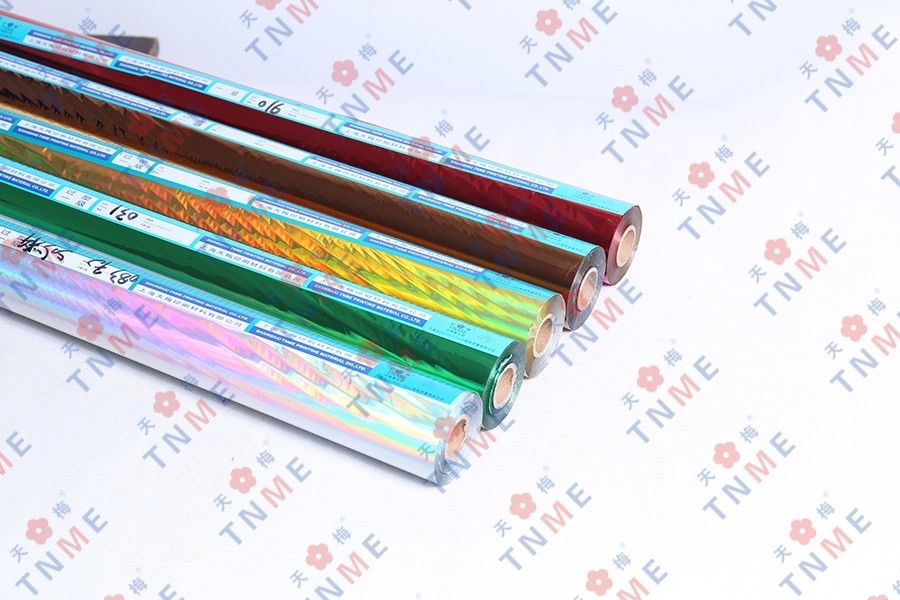
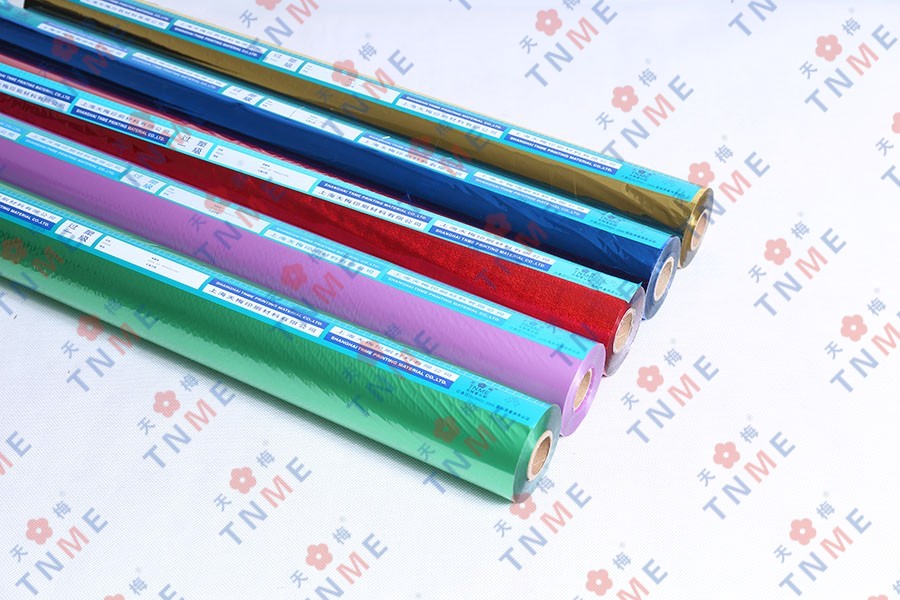
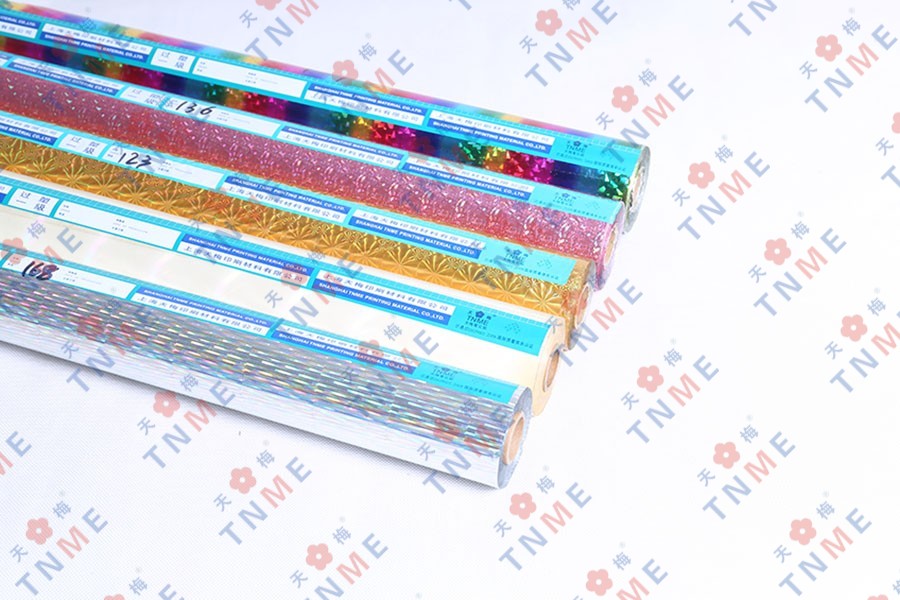
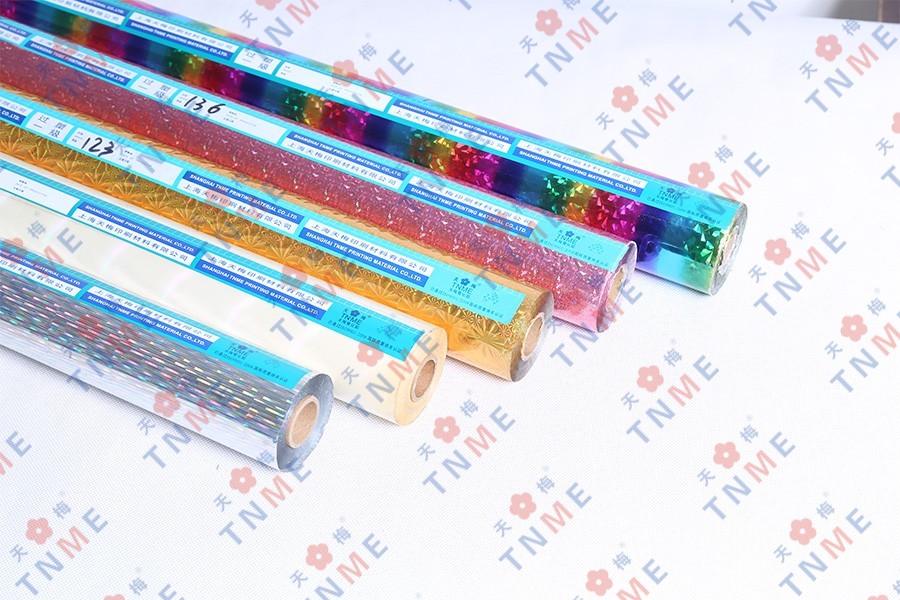
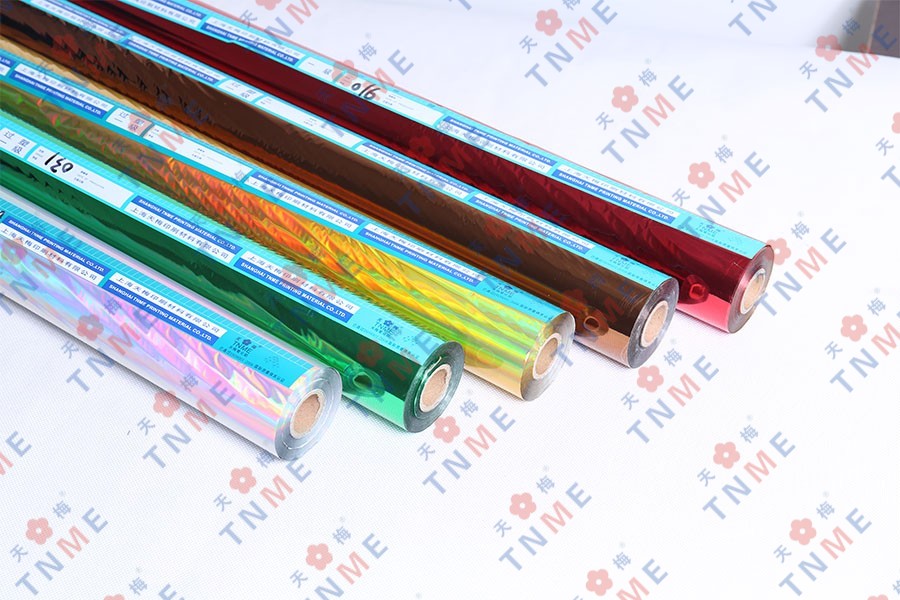
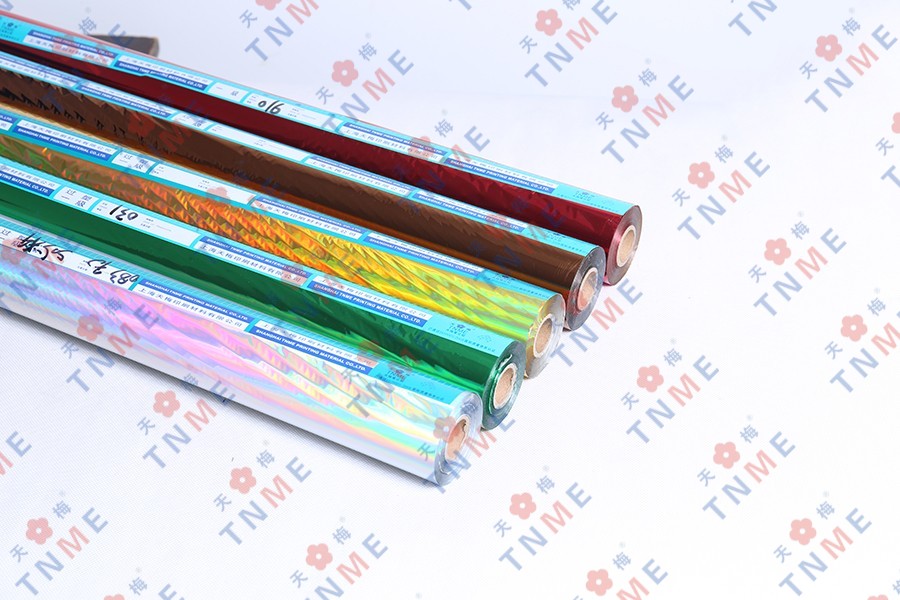
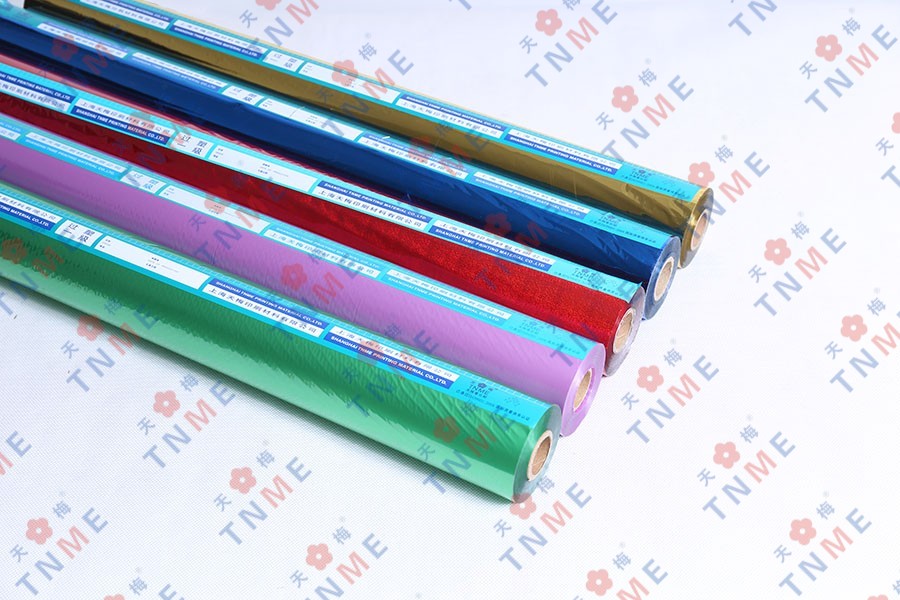
UV Materials Foil refers to thin polymeric or metallic films that are specifically designed to withstand exposure to ultraviolet (UV) light during printing processes. These foils are widely used in decorative printing, labels, packaging, and luxury product applications due to their ability to create high-gloss finishes, metallic effects, and enhanced visual appeal.
The core characteristics of UV Materials Foil include:
- High surface smoothness: Enables uniform ink transfer.
- UV resistance: Maintains color and gloss under prolonged UV exposure.
- Dimensional stability: Prevents warping during printing or curing.
- Chemical compatibility: Resists degradation from solvents or adhesives used in printing.
Common substrate materials for UV Materials Foil include PET, polypropylene (PP), and polyester-based films, each offering specific benefits for adhesion and durability.
Table 1: Typical characteristics of UV materials foil
| Property | Description | Relevance to UV inks |
|---|---|---|
| Surface energy | Medium to high | Ensures good ink wetting |
| Thickness | 12–50 μm | Affects curing and gloss |
| UV resistance | High | Prevents color fading |
| Flexibility | Moderate | Supports curved surface printing |
Characteristics of UV inks
UV inks are specialty inks that cure or harden when exposed to UV light. Unlike conventional inks that rely on solvent evaporation, UV inks undergo a rapid polymerization process when exposed to specific wavelengths of ultraviolet light. This property allows UV Materials Foil to retain sharp, detailed designs with minimal drying time.
Key attributes of UV inks include:
- Fast curing time: Reduces production cycle duration.
- High color density: Achieves vibrant and opaque finishes.
- Chemical and abrasion resistance: Ensures durability on various substrates.
- Compatibility with multiple substrates: Effective on plastics, foils, and coated papers.
When combined with UV Materials Foil, UV inks must overcome challenges related to surface energy, adhesion, and curing uniformity. The interaction between the ink and foil surface largely determines print quality, gloss, and long-term performance.
Mechanisms of interaction between UV materials foil and UV inks
Surface energy and adhesion
One of the most critical factors in the interaction between UV Materials Foil and UV inks is surface energy. Foils with insufficient surface energy may result in poor ink wetting, leading to defects such as pinholes, smudging, or incomplete coverage.
UV inks require a minimum surface energy level to form a stable interface. In many cases, foils are pre-treated via corona treatment or plasma treatment to increase surface energy and improve adhesion.
Table 2: Effect of surface energy on adhesion quality
| Surface energy (dyn/cm) | Adhesion outcome | Notes |
|---|---|---|
| <35 | Poor | Ink may bead or peel |
| 35–45 | Moderate | Acceptable for most applications |
| >45 | Excellent | Strong adhesion and durability |
Curing and polymerization
Once UV inks are applied to UV Materials Foil, the curing process begins under UV light. Proper curing ensures that the ink forms a durable layer bonded to the foil surface. Factors influencing curing include:
- Foil thickness: Thicker foils may absorb UV light, affecting polymerization.
- Ink layer thickness: Excessive ink can hinder uniform curing.
- UV intensity and wavelength: Must match ink chemistry for optimal cross-linking.
Incomplete curing may lead to tacky surfaces, smudging, or poor abrasion resistance, highlighting the importance of controlled interaction between the ink and foil during production.
Thermal and mechanical effects
During the curing process, UV Materials Foil may expand or contract slightly due to heat generated by UV lamps. High flexibility foils accommodate these changes better, while rigid foils may develop micro-cracks or ink delamination if not properly matched with the ink formulation.
Additionally, mechanical properties of the foil, such as tensile strength and elongation, influence how well the ink layer can withstand subsequent processing, including lamination, die-cutting, or folding.
Applications in printing and packaging
UV Materials Foil in combination with UV inks has widespread applications across multiple industries. Key use cases include:
- Luxury product packaging: Achieves metallic or holographic effects that enhance perceived value.
- Label printing: Provides durable, high-resolution graphics for bottles, cosmetics, and electronics.
- Decorative printing: Produces embossing and foiling patterns on greeting cards, stationery, and gift wraps.
- Flexible packaging: Ensures scratch-resistant and fade-resistant branding on films and pouches.
The compatibility between UV Materials Foil and UV inks enables designers to explore complex visual effects without compromising durability or print quality.
Challenges in UV foil and ink interaction
Despite their advantages, the combination of UV Materials Foil and UV inks presents several challenges:
- Ink adhesion failure: Can result from low surface energy or improper curing.
- Foil distortion: Heat from UV curing may warp thin foils.
- Color mismatch: Ink layering on metallic foils can alter color perception.
- Abrasion and scratch sensitivity: Uncured or partially cured inks may wear off.
Addressing these challenges requires careful selection of foil type, ink formulation, and process parameters.
Testing and quality assurance
Manufacturers employ several methods to assess the interaction of UV Materials Foil and UV inks:
- Adhesion tests: Tape or cross-hatch tests to evaluate ink bonding.
- Curing analysis: UV light intensity and exposure duration optimization.
- Abrasion resistance testing: Evaluates durability in handling and shipping.
- Gloss and color measurement: Ensures consistency with design specifications.
Proper testing ensures that the final product meets the intended functional and aesthetic standards.
Strategies for optimal interaction
To achieve consistent results between UV Materials Foil and UV inks, manufacturers can implement the following strategies:
- Select foils with surface treatments that enhance ink adhesion.
- Match UV ink chemistry to the specific foil substrate.
- Optimize cure parameters to ensure complete polymerization.
- Conduct pre-production trials to identify potential warping or adhesion issues.
- Monitor environmental conditions such as temperature and humidity during printing.
By addressing these factors, printers and manufacturers can maximize print quality, durability, and visual appeal.
Future trends
Emerging trends in the interaction between UV Materials Foil and UV inks include:
- Eco-friendly foils: Focus on recyclability and reduced environmental impact.
- Advanced surface coatings: Improve ink adhesion and durability without additional treatments.
- Digital UV printing: Expands the capability to print high-resolution images directly onto foil surfaces.
- Interactive or smart foils: Incorporate features such as QR codes or variable data printing for customized applications.
These innovations aim to improve efficiency, sustainability, and design flexibility for foil-based printing applications.
Conclusion
The interaction between UV Materials Foil and UV inks is a complex process influenced by surface energy, curing conditions, foil properties, and ink formulation. Understanding these factors is essential for achieving high-quality, durable, and visually appealing printed products. By carefully selecting foils, optimizing ink chemistry, and controlling process parameters, manufacturers can overcome challenges related to adhesion, curing, and durability, ensuring that printed foils meet the standards of modern packaging and printing industries.
FAQ
Q1: Can UV materials foil be used with all types of UV inks?
A1: While UV Materials Foil is compatible with many UV inks, proper testing is required to ensure adhesion, curing, and durability for specific ink formulations.
Q2: How does foil thickness affect UV ink curing?
A2: Thicker foils may absorb more UV light, potentially reducing polymerization efficiency. Adjusting UV intensity or exposure time can help achieve complete curing.
Q3: Are UV materials foil prints resistant to scratching?
A3: Properly cured UV inks on treated foils provide good scratch and abrasion resistance, but handling precautions are recommended during post-print processing.
Q4: Can UV materials foil be recycled after printing?
A4: Recycling is possible depending on the foil substrate and ink chemistry, but coated or metallic foils may require specialized recycling processes.
Q5: What industries benefit most from using UV materials foil with UV inks?
A5: Key industries include luxury packaging, label printing, decorative stationery, and flexible packaging sectors where visual appeal and durability are critical.
References
- Thompson, J., & Miller, R. (2022). UV Printing and Foil Interaction. Printing Technology Journal, 18(3), 45–62.
- Chen, L. (2021). Advanced UV Materials Foil Applications in Packaging. Journal of Materials in Print, 12(2), 101–118.
- Patel, S., & Kumar, A. (2020). Surface Treatments for UV Foils and Adhesion Optimization. International Journal of Coatings Science, 9(4), 200–215.