

 English
 中文简体
中文简体
How to get foil to stick to paper?
The Key to Getting Foil to Stick to Paper
The most reliable way to get foil to stick to paper is by using an adhesive layer — either a glue, toner, or specialty foil adhesive — applied to the paper first, then pressing the foil onto it with heat or pressure. The type of adhesive and application method you choose depends on the tools you have available and the scale of your project. Whether you're crafting by hand or running a print production, there's a method that works.
Why Foil Doesn't Naturally Bond to Paper
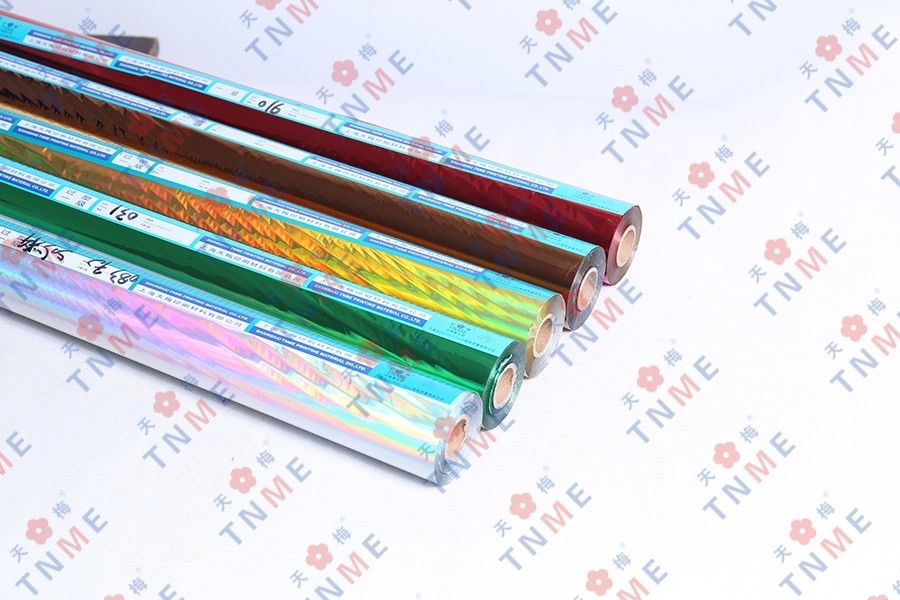
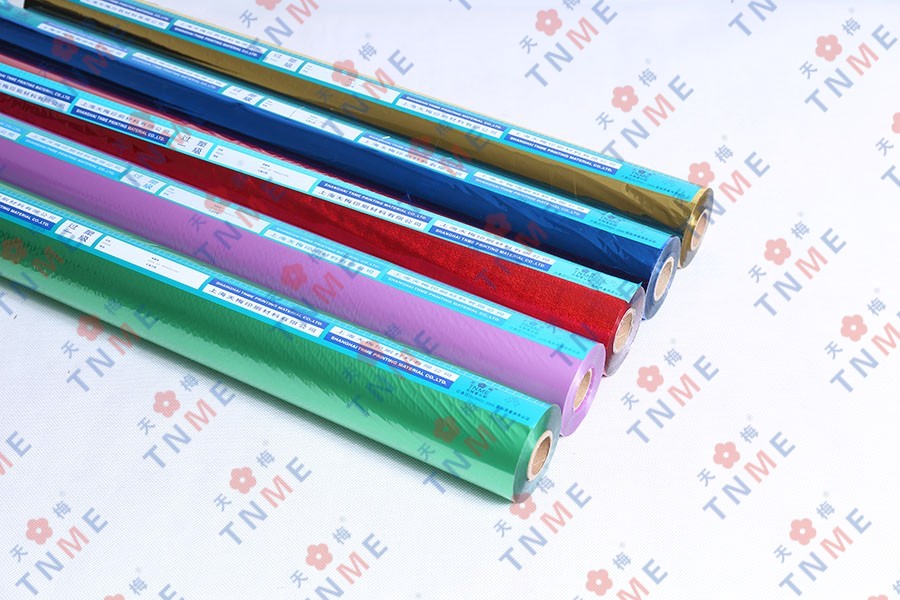
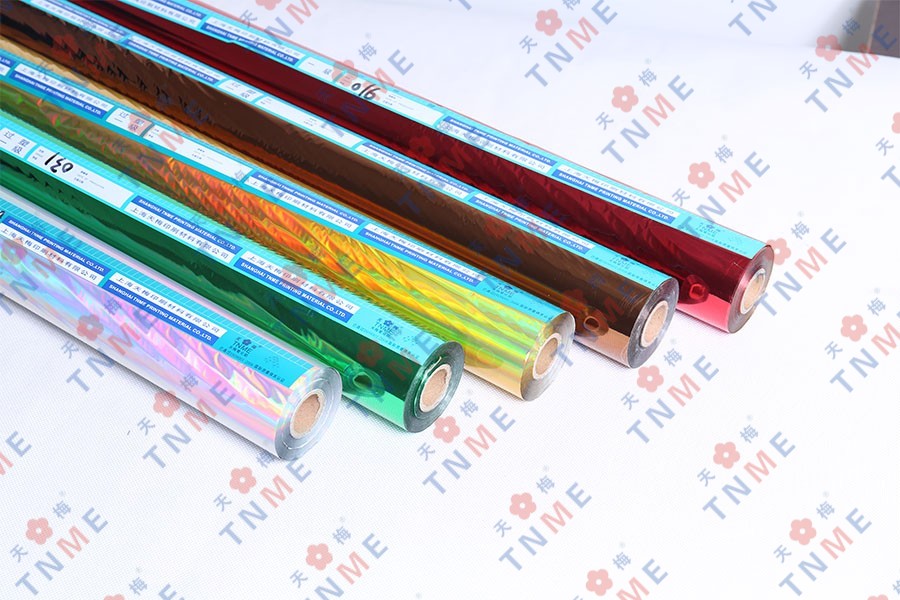
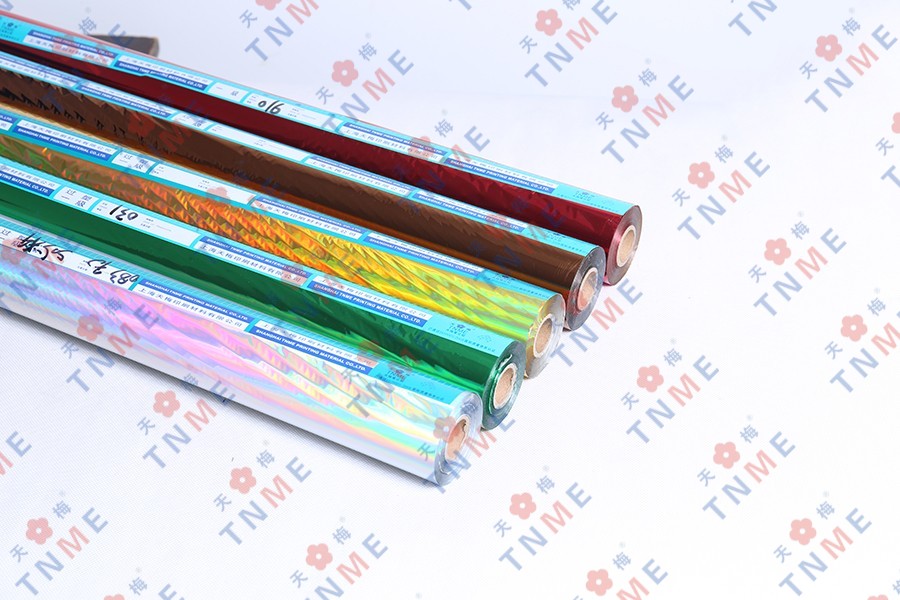
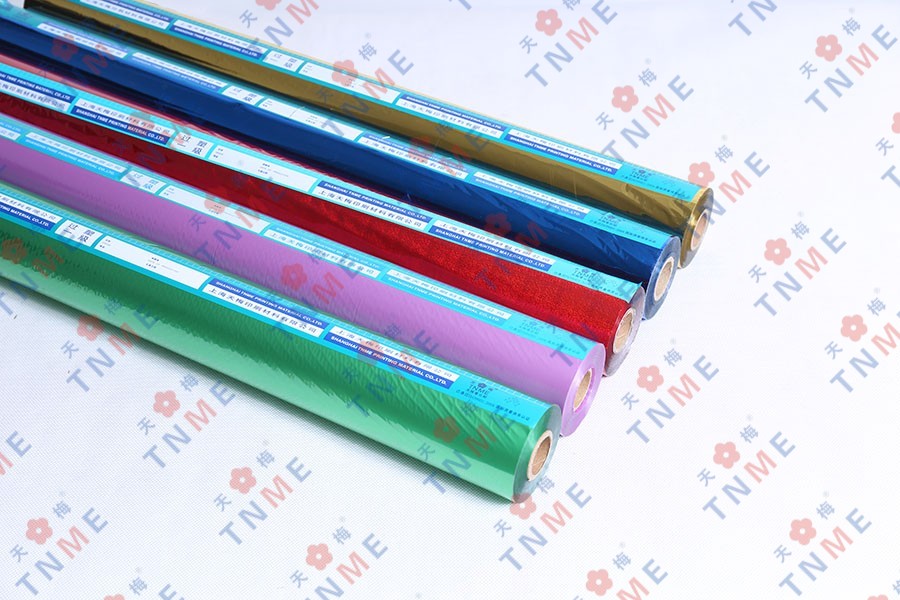
Foil — whether metallic, holographic, or colored — is made from a thin polyester film coated with a metallic layer. Paper surfaces, even coated ones, don't have the chemical affinity to hold foil on their own. Without an intermediate bonding layer, the foil simply peels away.
The adhesion challenge comes down to three factors:
- Surface porosity of the paper
- The composition of the adhesive or toner
- The amount of heat and pressure applied during the transfer
Understanding these factors helps you choose the right method and troubleshoot when foil doesn't adhere properly.
Common Methods for Getting Foil to Stick to Paper
1. Glue-Based Adhesive (Cold Foiling by Hand)
This is the most accessible method for home crafters. Apply a liquid foil adhesive or even a strong craft glue to the paper in your desired design. Allow it to become tacky but not fully dry (usually 30–60 seconds), then press the foil sheet (shiny side up) firmly onto the adhesive area. Peel back the foil slowly to reveal the transferred design.
Best results come from:
- Using a bone folder or credit card to press the foil down firmly
- Allowing the adhesive to reach the right tackiness before applying foil
- Peeling the foil back at a low angle (around 30°) for a cleaner pull
2. Laminator or Heat Press (Hot Foiling at Home)
A laminator is one of the most popular DIY tools for hot foiling. Print your design using a laser printer (toner-based), place the foil sheet over it, and run it through the laminator at the highest heat setting. The toner acts as the adhesive when heat is applied, bonding the foil to the printed areas only.
Key tips:
- Use a laser printer — inkjet printers won't work for this method
- Run the paper through the laminator 2–3 times for stronger adhesion
- Let the paper cool before peeling the foil sheet
3. Foil Transfer Pens and Stamps
Foil transfer pens contain a reactive adhesive that bonds with foil under light pressure. After drawing or writing with the pen, place the foil on top and rub firmly. This method is ideal for handwriting, calligraphy, and small decorative accents. Results are most consistent on smooth, coated cardstock rather than textured paper.
4. Professional Cold and Hot Foil Stamping
In commercial printing, foil is applied through two main processes:
- Hot foil stamping: A heated metal die presses foil onto paper, transferring it with precision. Common for luxury packaging, book covers, and business cards.
- Cold foil stamping: UV-curable adhesive is printed onto the paper in the desired pattern, then foil is applied and cured with UV light. Faster and better suited for complex designs and halftones.
Professional foil stamping can achieve registration accuracy of under 0.1mm, making it suitable for fine detail work.
Choosing the Right Foil for Paper Projects
Not all foil for paper is the same. The type of foil you select significantly affects how well it adheres and how the final result looks.
| Foil Type | Best For | Adhesion Method |
| Metallic Foil (Gold/Silver) | Decorative crafts, cards, invitations | Glue, laminator, stamp |
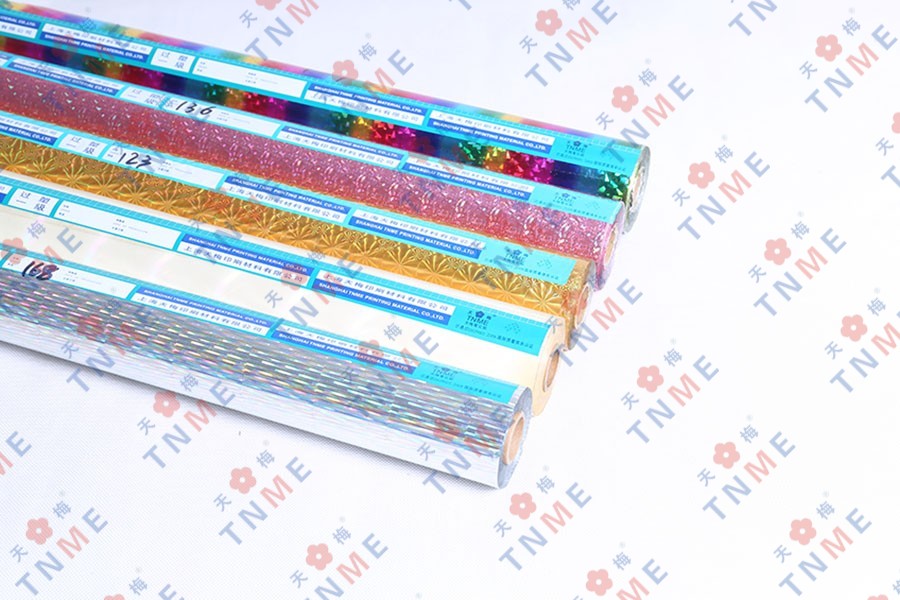
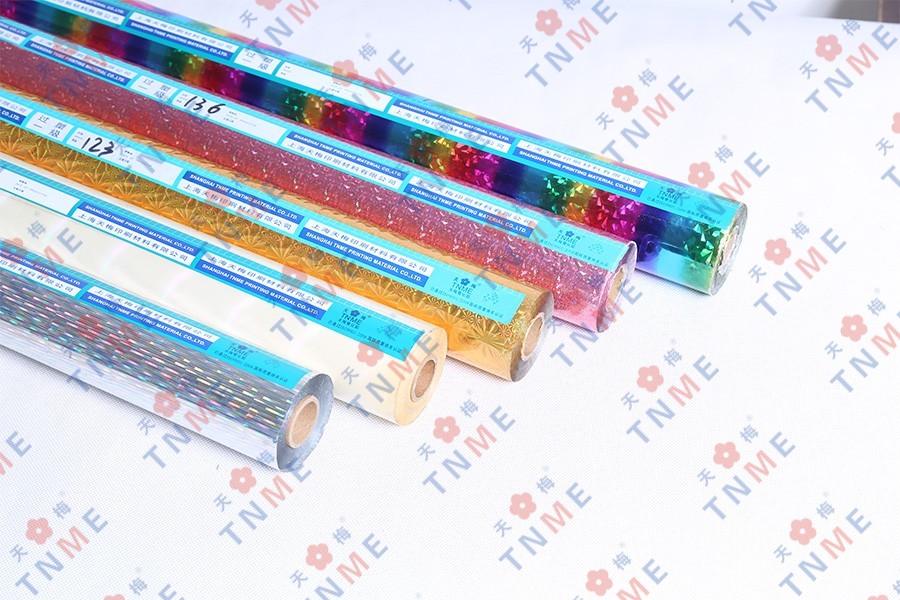
| Holographic Foil | Packaging, labels, eye-catching accents | Hot stamping, cold foil printing |
| Pigment Foil | Colored text, logos, bold accents | Hot foil stamping |
| Transfer Foil Sheets | DIY crafts, scrapbooking | Adhesive pen, craft glue |
For DIY projects, transfer foil sheets sold in rolls or packs offer the most flexibility and are compatible with multiple adhesion methods.
Paper Type Matters More Than You Think
The surface of your paper plays a major role in foil adhesion quality. Here's how different paper types perform:
- Smooth coated cardstock (80–110 lb): Best results — the foil transfers cleanly with sharp edges
- Uncoated paper: Acceptable, but edges may appear slightly rougher due to paper texture
- Textured or watercolor paper: Foil only adheres to raised surfaces, creating an inconsistent look — sometimes intentional for artistic effects
- Glossy photo paper: Poor results with glue methods; better with heat-based stamping
Coated cardstock between 80–120 lb is the most universally recommended paper weight for foiling projects.
Troubleshooting: When Foil Won't Stick
If your foil isn't bonding properly, these are the most common causes and fixes:
- Foil peels off completely: The adhesive wasn't tacky enough or the heat was too low — increase heat or let glue set longer
- Foil sticks everywhere, not just the design: Too much adhesive spread beyond the intended area — apply more precisely or use a finer applicator
- Foil tears during peeling: Peel too fast — slow down and maintain a consistent low angle
- Patchy or incomplete transfer: Pressure wasn't even — use a roller or burnishing tool for consistent contact
- Design edges are blurry: Paper is too absorbent — switch to a coated stock
Tips for Getting the Best Foil Results on Paper
- Always test on a scrap piece of the same paper before foiling your final project.
- Work in a clean, dust-free area — particles under the foil cause voids in the transfer.
- Apply firm, even pressure across the entire surface when pressing foil down.
- Peel the foil carrier sheet back slowly and at a shallow angle for cleaner results.
- Store unused foil in a cool, dry place — humidity and heat degrade adhesion quality over time.
- For the laminator method, run the sheet through multiple passes rather than increasing speed.
FAQ
Can I use regular glue to stick foil to paper?
Yes, but results vary. A dedicated foil adhesive or tacky glue works much better than standard white craft glue, which can dry too quickly or not provide enough tack.
Does foil work on inkjet-printed paper?
Inkjet toner doesn't bond with foil under heat the way laser toner does. For inkjet-printed designs, use a liquid foil adhesive applied over the printed area instead.
How do I get foil to stick to dark paper?
The adhesion method is the same, but use opaque foils (gold, silver, or white-based pigment foils) that show up clearly against dark backgrounds. The foil color, not the paper color, determines the final appearance.
Is foiling permanent on paper?
Once properly adhered, foil is quite durable. However, heavy folding directly across a foiled area can cause cracking. Scoring the paper before folding minimizes this.
What temperature should a laminator be set to for foiling?
Most home laminators should be set to their highest heat setting, typically around 250–300°F (120–150°C). If the laminator doesn't have a temperature setting, run the paper through 2–3 times to build up enough heat.
Can foil be applied to both sides of the paper?
Yes, though you should fully complete and cool one side before foiling the other to avoid disturbing the first layer.