

 English
 中文简体
中文简体
How to Print with Gold Foil: The Complete Professional Guide to Hot Stamping Printing
Understanding Hot Stamping Printing Technology
Hot stamping printing, also known as foil stamping or hot stamping printing, represents one of the most sophisticated finishing techniques in the printing industry. This process involves applying metallic foil—typically gold, silver, or copper—onto various substrates using heat and pressure. The result is a lustrous, dimensional finish that immediately elevates the perceived quality and luxury of printed materials.
The fundamental principle behind hot stamping is surprisingly straightforward: a heated die transfers foil onto a surface through controlled pressure and temperature. However, achieving professional results requires a deep understanding of equipment specifications, material properties, and process variables. Businesses across luxury goods, publishing, packaging, and cosmetics industries depend on hot stamping to create products that stand out on shelves and in customers' hands.
Unlike traditional printing methods that apply ink directly to surfaces, foil stamping creates a mechanical bond between the foil and substrate. This distinction is crucial because it affects durability, appearance, and application versatility. The gold foil itself consists of multiple layers: a polyester carrier film, an adhesive layer, and the metallic coating. Understanding this composition helps explain why certain substrates and temperature ranges work better than others.
Essential Equipment for Gold Foil Printing
Hot Stamping Press Specifications
Selecting the right equipment represents the single most important investment for foil stamping operations. Hot stamping presses vary significantly in size, heat distribution capabilities, pressure control, and automation features. Manual presses, semi-automatic systems, and fully automated machines each serve different production volumes and complexity levels.
The heating mechanism is critical: uniform temperature distribution across the die ensures consistent foil transfer. Professional-grade presses maintain temperatures between 300 to 500 degrees Fahrenheit, though specific requirements depend on substrate type and foil composition. Inferior presses often suffer from hotspots that cause uneven application, compromised adhesion, or foil damage.
Pressure control systems must deliver consistent downward force—typically measured in pounds per square inch. This pressure must be sufficient to transfer the foil without crushing delicate designs or tearing thin substrates. Many modern presses feature adjustable pressure zones to accommodate varying design elements within a single impression.
Heating Foil Technology Considerations
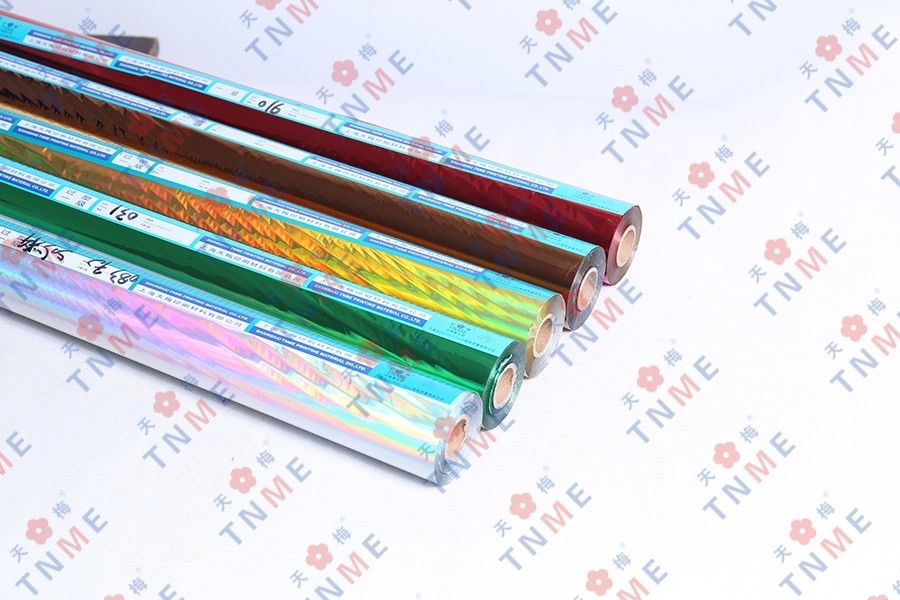
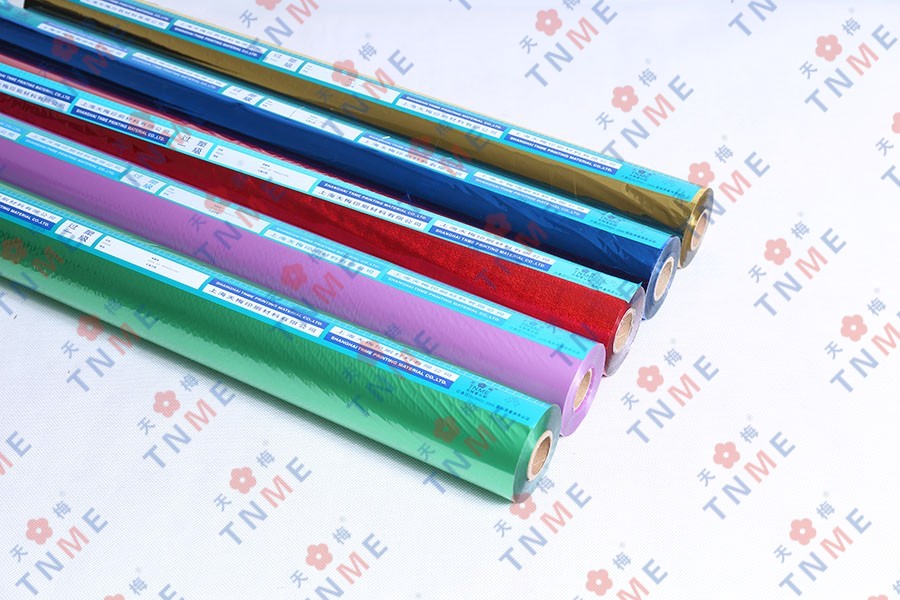
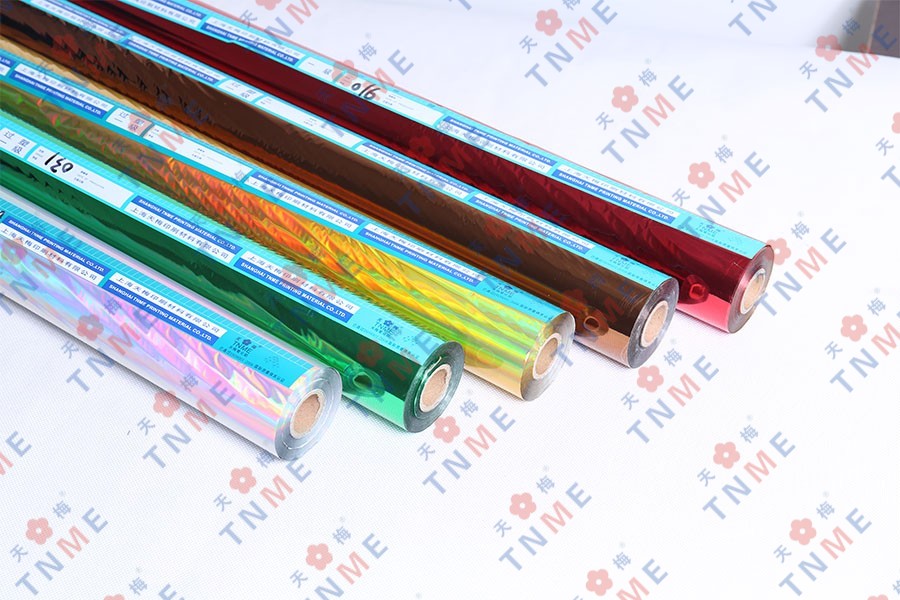
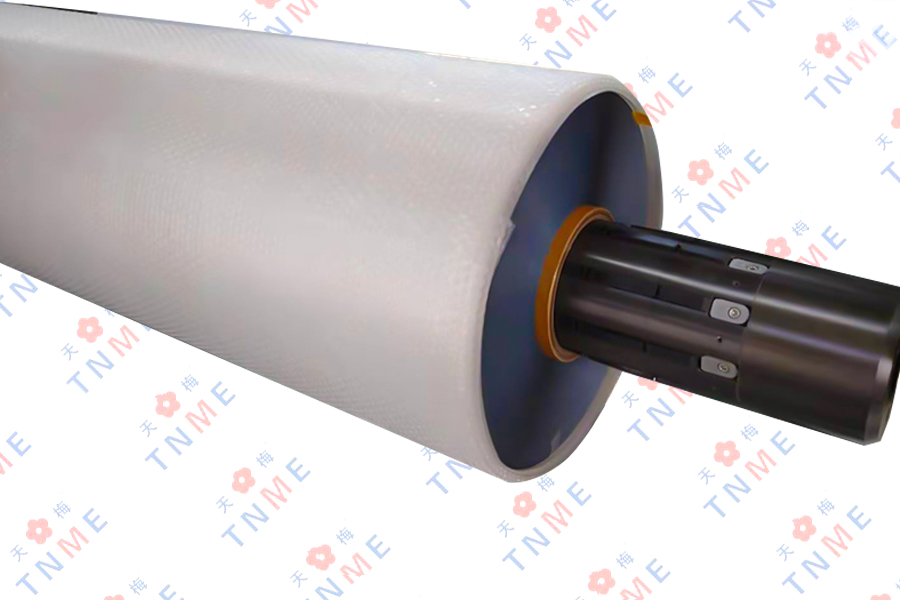
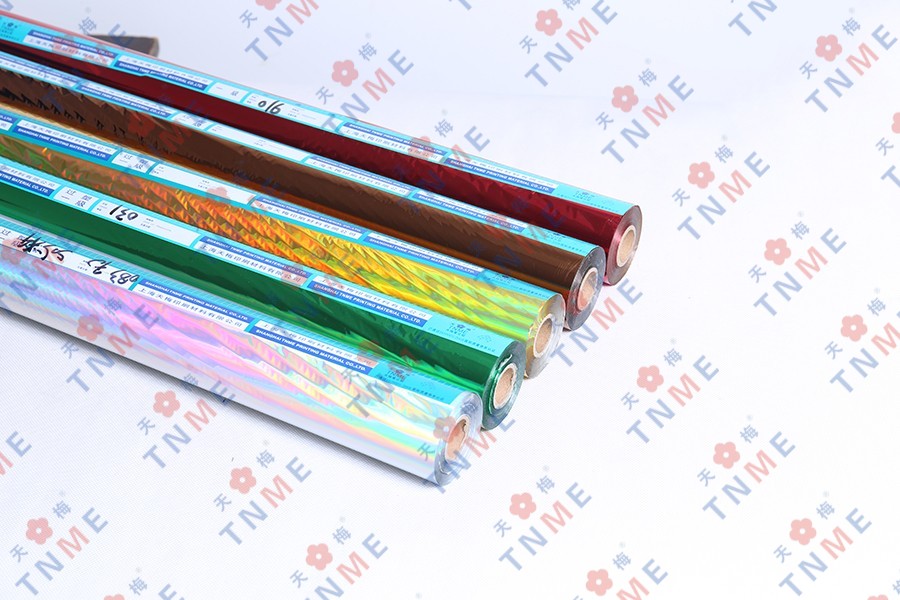
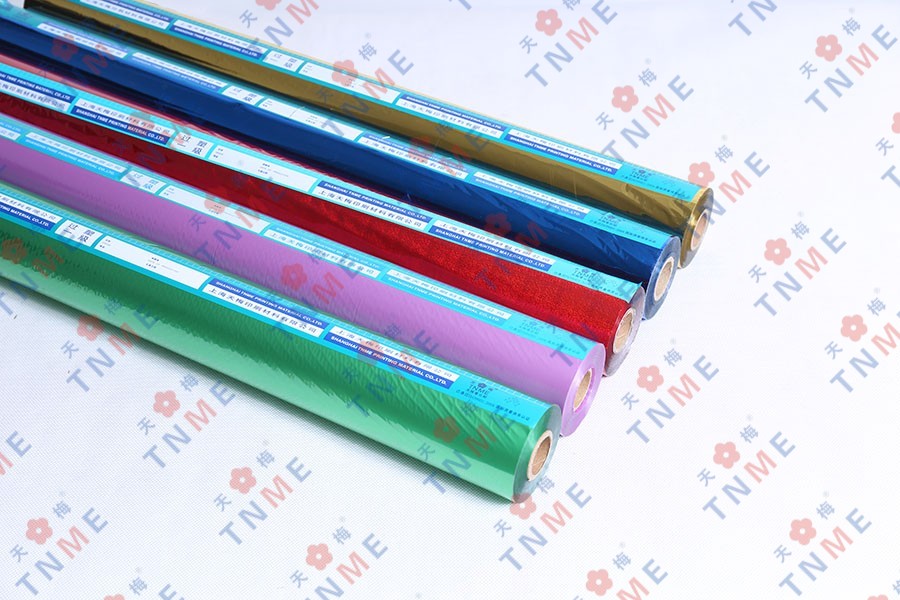
The foil itself represents a specialized material engineering achievement. Professional-grade printer foil differs substantially from decorative craft foils in terms of adhesive quality, metallic coating depth, and carrier film thickness. Industrial foils are engineered to perform reliably across hundreds of thousands of impressions without degradation.
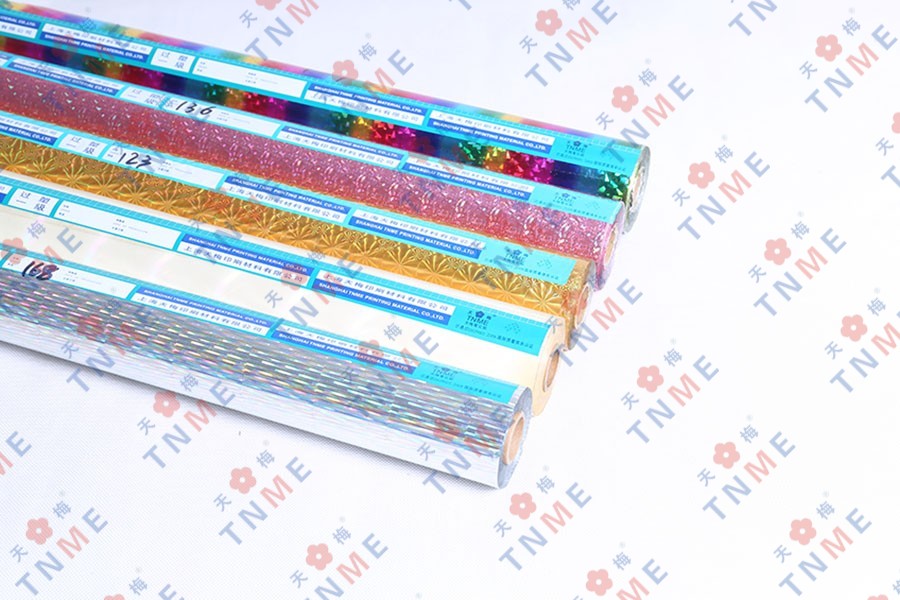
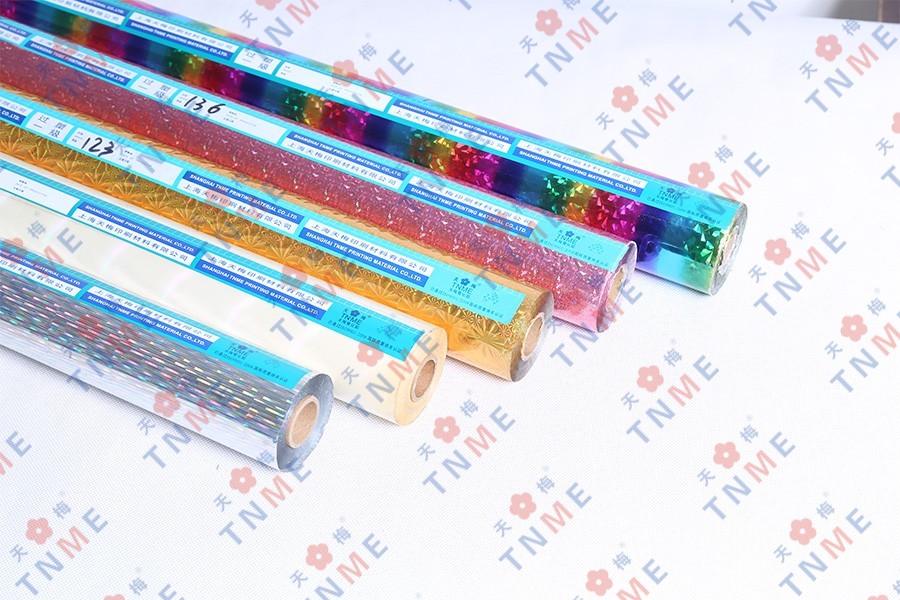
Different foil compositions serve different purposes. Pigment-based foils offer rich opacity and vibrant colors but may be less durable in high-touch applications. Metallized foils, created through vacuum deposition, provide superior durability and reflectivity. Holographic foils add dimensional effects, while specialty foils might include patterning, texture, or translucency for unique aesthetic effects.
Die Tools and Customization
Custom dies represent the artwork stage of hot stamping. These metal plates—typically made from magnesium, steel, or photopolymer—are engraved with your design in reverse. The die quality directly impacts image sharpness and application consistency. Professional dies should feature smooth line transitions, adequate land areas for structural integrity, and proper venting to release air pressure during stamping.
Die production costs warrant careful design consideration. Complex designs with thin lines, tight registration tolerances, or numerous colors require more sophisticated dies. A well-designed first die investment ensures excellent results across future production runs.
Preparing Designs for Foil Stamping
Design File Specifications
Successful hot stamping projects begin with properly prepared digital files. Unlike digital printing processes, foil stamping requires fundamentally different design thinking. Designs should prioritize bold elements, clear lines, and legible typography rather than subtle gradations or detailed photography.
Key considerations for design preparation include:
- Minimum line weight of 0.25 points to ensure clean, reliable foil transfer
- Enclosed areas should be at least 0.1 inches across to hold foil effectively
- Avoid extremely fine details that may collapse or fail to accept foil
- Ensure adequate spacing between design elements to prevent bridging and adhesion issues
- Test corner radii and sharp angles—dies perform better with slightly rounded corners
- Consider white space as integral to the design, not wasted area
Color and Substrate Interaction
Gold foil stamping produces dramatically different visual results depending on substrate color and finish. Gold foil appears rich and warm on dark papers but bright and reflective on light substrates. Some designers deliberately choose foil colors that contrast with substrate colors to create striking visual impact.
Substrate texture influences foil adhesion and appearance. Smooth, coated papers accept foil uniformly and reveal maximum metallic brilliance. Uncoated papers provide excellent adhesion but may result in slightly duller foil appearance due to light scattering. Textured substrates require longer contact time and sometimes slightly elevated temperatures to ensure adequate pressure contact across the entire design area.
Multi-Color Foil Considerations
While single-color gold foil stamping is most common, multi-foil applications demand additional expertise. When applying multiple foil colors to a single piece, allow adequate cooling time between impressions. Temperature residue from the first stamping can affect subsequent foil application. Professional operators typically impose 5 to 10 second cooling intervals between impressions to maintain quality.
Step-by-Step Gold Foil Stamping Process
Pre-Production Setup
Preparation determines success in hot stamping. Begin by configuring your foil stamping printer for your specific substrate and design combination. This involves several critical setup steps:
- Load substrate into the press feed system, ensuring perfect alignment and securing it against lateral movement during impression
- Install the custom die in the heating platen, verifying secure seating and proper registration
- Thread the printer foil through the foil advance mechanism, ensuring smooth travel without tension
- Set die temperature according to foil and substrate specifications (typically 300-400 degrees Fahrenheit)
- Adjust pressure settings based on substrate thickness and foil type (consult material specifications)
- Set contact dwell time (typically 1 to 3 seconds, depending on foil characteristics)
- Run test impressions on sample sheets, inspecting for complete foil transfer without bridging or adhesion failures
Production Run Management
Once setup is complete and test impressions prove satisfactory, full production begins. Throughout the run, monitor several key quality indicators. The foil should transfer completely with clean edges and no residue on the die. Adhesion should be sufficient that the foil resists picking when rubbed firmly with a fingernail.
Temperature stability is paramount. Most modern presses maintain temperature within a 5-degree Fahrenheit range, but environmental factors—ambient temperature, ambient humidity, and press usage patterns—can affect performance. Many operators monitor temperature continuously and make micro-adjustments during extended production runs.
Foil advance should progress smoothly through the roll without tension or slack. A properly threaded foil system allows approximately 0.5 inches of foil advancement per impression, accommodating slight design variations while maximizing foil usage efficiency.
Post-Stamping Quality Control
After each production session, allow finished pieces adequate cooling time before stacking or packaging. Stamped foil remains slightly adhesive during cooling; premature contact can cause foil transfer between pieces. Professional operations typically allow 30 to 60 seconds cooling time on conveyor systems or finished piece racks.
Inspect random samples throughout the production run, not just at the beginning and end. Check for consistent color saturation, complete foil coverage, proper alignment, and foil adhesion. Document any variations that occur during the run—these inform adjustments for future similar projects.
Substrate Selection and Compatibility
Paper and Card Stock Options
Different substrates present distinct advantages and challenges for foil stamping. Premium text papers and card stocks with smooth finishes consistently deliver excellent results. These materials offer superior foil adhesion while revealing maximum metallic brilliance. Business cards, luxury packaging, and high-end book covers typically employ premium grades specifically because these substrates showcase foil stamping beautifully.
Uncoated papers, including cotton-based specialty stocks, provide excellent adhesion but may require slightly elevated temperatures to compensate for absorbency. These papers create an elegant, sophisticated appearance particularly suitable for invitations, announcements, and literary applications.
Textured papers present unique aesthetic opportunities. Laid finishes, linen patterns, and specialty textures create tactile richness that complements foil stamping. However, textured substrates require longer dwell times to ensure the heated die fully contacts the entire design area beneath the texture.
Beyond Paper: Alternative Substrates
Gold foil stamping successfully applies to numerous non-paper materials. Leather accepts foil beautifully, making it ideal for luxury goods, journal covers, and high-end accessories. Synthetic leathers perform equally well and offer consistency advantages over natural leather. Plastic films, including polypropylene and polyester, accept foil with excellent adhesion when treated with the appropriate temperature and pressure protocols.
Fabric applications demand specialized techniques. Woven fabrics like cotton and polyester can accept foil, though results depend heavily on weave tightness and coating. Some textile manufacturers pre-treat fabrics specifically to accept foil stamping, creating opportunities for branded apparel and luxury textiles.
Wood and wood veneers represent an interesting frontier for foil stamping. Smooth, properly sealed wooden surfaces accept foil reliably, opening applications in artisan products, luxury packaging, and decorative items. The interaction between wood grain and gold foil creates distinctly organic aesthetic effects.
Temperature, Pressure, and Timing Optimization
Temperature Variables
Temperature represents perhaps the most critical variable in hot stamping success. Insufficient temperature results in incomplete foil transfer, weak adhesion, and foil residue on the die. Excessive temperature can damage the foil's adhesive layer, creating brittleness and adhesion failure. Professional operators understand that optimal temperature varies based on foil composition, substrate type, and die configuration.
Temperature calibration matters enormously. Surface thermometers, infrared guns, and thermocouple sensors can verify actual die temperature, which may differ from thermostat readings. Thermal imaging occasionally reveals hotspots indicating uneven heating that would compromise quality across large production runs.
Pressure Calibration
Consistent, adequate pressure transfers foil completely without crushing delicate design elements. Pressure requirements vary based on substrate thickness, foil type, and design complexity. Fine line work typically requires moderate pressure (500-800 PSI for small dies), while large solid areas may tolerate higher pressures (1000-1500 PSI).
Pressure verification involves test impressions and tactile assessment. When foil coverage is complete but the substrate shows no crushing or deformation, pressure is correct. Operators often make incremental pressure adjustments (50-100 PSI at a time) and re-test rather than attempting to guess optimal settings.
Dwell Time Precision
Dwell time—the duration the heated die remains in contact with the foil and substrate—directly influences foil transfer quality. Insufficient dwell time produces incomplete foil transfer and inadequate adhesion. Excessive dwell time wastes production time and can damage delicate substrates through heat exposure. Optimal dwell times typically range from 0.5 to 3 seconds, depending on the specific combination of equipment, materials, and design.
Modern presses usually feature digital timers providing precise dwell control to within 0.1-second increments. This precision enables consistent quality across extended production runs. Many operators document their specific dwell times, temperatures, and pressures for each design configuration, creating reference standards for future similar projects.
Common Challenges and Professional Solutions
Foil Transfer Issues
| Problem | Likely Cause | Solution |
|---|---|---|
| Incomplete foil coverage | Insufficient temperature or pressure | Increase temperature 10-15 degrees or pressure 100-150 PSI incrementally until transfer is complete |
| Foil sticking to die | Excessive temperature or inadequate dwell | Reduce temperature 10-15 degrees or reduce dwell time slightly |
| Foil bridging between elements | Inadequate die design or excessive pressure | Verify die vent holes are clear; reduce pressure to minimum effective level |
| Dull or faded foil appearance | Substrate texture or foil type mismatch | Test alternative foil grade or verify substrate coating is appropriate |
| Foil adhesion failure | Contaminated substrate or insufficient adhesive activation | Clean substrate surface; increase temperature 5 degrees |
Substrate-Related Problems
Humidity and temperature fluctuations in production environments affect substrate dimensional stability and moisture content, both of which influence foil adhesion. Maintaining environmental controls between 40-50% relative humidity and 65-75 degrees Fahrenheit optimizes results. Some operations condition substrates for 24 hours in the production environment before stamping.
Substrate surface contamination—dust, oils, or debris—prevents proper foil adhesion and causes adhesion failures in affected areas. Static electricity often attracts dust to paper surfaces. Soft brushes or air jets at the press feed point remove contaminants before stamping begins.
Die and Equipment Maintenance
Dies require regular cleaning to remove foil residue that accumulates during production. Gentle brushing with soft brass brushes combined with minimal solvent application removes residue without damaging fine die details. Neglected die maintenance results in foil buildup, incomplete transfer, and eventual die damage requiring expensive restoration.
Press maintenance extends equipment lifespan and ensures consistent performance. Regular temperature calibration, pressure system inspection, and foil advance mechanism lubrication prevent unexpected breakdowns. Most manufacturers recommend preventative maintenance on a quarterly to semi-annual basis depending on usage volume.
Advanced Techniques and Creative Applications
Multi-Foil Combinations
Sophisticated designs often employ multiple foil colors in a single piece. Gold combined with silver creates elegant contrast. Copper foil layered beneath gold produces unusual optical effects. Professional multi-foil applications require separate dies for each color, carefully positioned to achieve precise registration.
Sequential stamping of multiple colors demands operator skill. Between impressions, dies must cool, foil advance mechanisms must reset, and new foil must thread. A single production piece might go through three separate press cycles, each with unique temperature and pressure parameters. Experienced operations can achieve nearly perfect registration, creating seamless multi-color effects.
Combination with Other Printing Methods
Foil stamping integrates beautifully with other finishing techniques. Embossing combined with foil stamping creates dimensional texture that catches light dramatically. Foil stamping over digital printing allows complex color photography to be complemented with metallic accents. Some advanced applications layer foil stamping with varnishes, creating dimensional effects that engage multiple senses.
Blind embossing—creating raised impressions without foil—can precede or follow foil stamping for added sophistication. The combination creates subtle texture visible to touch while the foil adds visual brilliance. This technique finds frequent use in luxury packaging and high-end printed materials.
Foil Stamping on Curved Surfaces
Specialized curved-surface dies enable foil stamping on bottles, jars, and cylindrical containers. These applications require precision die design accommodating surface curvature and custom press equipment delivering uniform pressure across curved surfaces. Results transform ordinary packaging into luxury presentation pieces.
Cost Considerations and Economic Factors
Initial Investment Analysis
Hot stamping press equipment represents significant capital investment ranging from several thousand dollars for entry-level manual presses to hundreds of thousands for fully automated systems. Die production adds project-specific costs, typically ranging from several hundred to several thousand dollars depending on complexity. Material costs—substrate, foil, and dyes—constitute ongoing variable expenses.
Return on investment depends heavily on production volume and project premiums. Foil stamping allows producers to command substantially higher prices than standard printing, reflecting the premium aesthetic and perceived luxury. A packaging project utilizing foil stamping might command 30-50% price premiums compared to standard offset printing, creating strong financial incentives for integration into product offerings.
Production Economics
Foil stamping efficiency improves with production volume. Setup time and die costs are distributed across larger runs, reducing per-unit costs. Most operations achieve economic viability with minimum runs of 500-1000 pieces for custom projects, though some simpler designs with existing dies run economically in smaller quantities.
Foil waste during setup and production runs must be factored into per-unit costs. Typical waste ranges from 5-15% depending on press type, operator experience, and design complexity. Modern presses with efficient foil advancement systems and experienced operators achieve waste rates approaching 2-3%.
Environmental and Sustainability Considerations
Foil stamping's environmental impact warrants consideration in modern production. Foil carrier films represent packaging waste unless collected and recycled. Many forward-thinking operations work with suppliers providing recyclable carrier films or implement take-back programs for foil waste.
Energy consumption during hot stamping involves heating presses to operational temperatures. Energy-efficient modern presses incorporate insulation improvements and faster warm-up times reducing overall energy requirements. Scheduling production to minimize press idle time further reduces environmental impact.
Foil compositions vary in environmental impact. Some adhesive formulations are water-based, reducing volatile organic compound emissions. Natural foil alternatives, including plant-based adhesives, represent emerging innovations improving sustainability profiles. As environmental consciousness influences consumer preferences, sustainable foil options may command price premiums reflecting their reduced environmental burden.
Industry Standards and Quality Assurance
Professional foil stamping operations adhere to established industry standards ensuring consistency and reliability. Color standards define acceptable foil appearance, ensuring customers receive consistent materials across multiple production runs. Adhesion testing protocols verify foil durability through tape-pull tests and friction assessments.
Quality documentation practices enable traceability and accountability. Recording die specifications, press settings, foil lot numbers, and production dates creates institutional knowledge supporting continuous improvement. When issues arise, this documentation facilitates root cause analysis and prevents recurrence.
Certification through industry bodies including printing associations and material suppliers provides third-party verification of operational capabilities and quality commitment. Customers increasingly expect documentation of quality assurance programs, making formal certification increasingly valuable in commercial relationships.
Emerging Technologies in Foil Stamping
Digital die-making innovations accelerate custom project timelines. Advanced laser engraving and photopolymer techniques reduce die production costs and timelines, making foil stamp printing economically viable for smaller production runs previously requiring offset printing alternatives.
Hybrid systems combining digital printing with heating foil capabilities enable single-pass production combining photographic color images with metallic accents. These systems reduce production steps and environmental impact while enabling creative possibilities previously requiring multiple specialized operations.
Artificial intelligence-assisted design systems analyze design files, automatically flagging elements that may not foil-stamp reliably. Machine learning models trained on thousands of foil stamping results predict optimal temperature and pressure settings, reducing trial-and-error during setup and minimizing waste.
Sustainable foil innovations including compostable carrier films and plant-based adhesive formulations address environmental concerns without compromising performance. As these alternatives mature and costs decrease, they may become standard industry offerings.
Frequently Asked Questions
Q1: What is the difference between foil stamping and embossing?
Foil stamping applies metallic foil to surfaces using heat and pressure, creating a reflective, colored finish. Embossing creates raised impressions through pressure alone without foil application. The techniques can be combined—foil embossing creates raised, metallic effects. While embossing works on most materials, foil stamping requires compatible substrates with appropriate adhesive receptivity. Foil stamping typically commands higher costs but delivers more dramatic visual impact. Embossing provides subtle tactile effects visible through touch and light manipulation.
Q2: Can foil stamping be applied to dark or black substrates?
Yes, foil stamping works beautifully on dark substrates, though the visual effect differs from application on light papers. Gold and silver foils appear exceptionally brilliant against black backgrounds, creating striking contrast. The metallic reflectivity of foil actually increases visual impact on dark substrates where the reflective surface stands out dramatically. Copper and other warm foils create elegant sophistication on black. Ensure your foil selection complements the substrate color, as some combinations work better aesthetically than others.
Q3: What is the minimum production volume for foil stamping projects?
Minimum economic volumes depend on die costs, design complexity, and your operation's overhead structure. Simple designs using existing dies might run economically in quantities as low as 100-250 pieces. Custom die projects typically require minimums of 500-1000 pieces to justify die production costs. Some sophisticated operations accepting lower margins can economically produce smaller quantities. Discuss minimum orders with your foil stamping provider, as different facilities have different cost structures and minimum commitments.
Q4: How long does foil stamping take compared to other printing methods?
Setup time for foil stamping typically ranges from 30 minutes to 2 hours depending on equipment sophistication and die complexity. Production speed varies widely: manual presses might achieve 300-500 impressions per hour, while semi-automatic systems reach 1000-2000 per hour, and fully automated systems exceed 3000 per hour. Overall project timeline depends on setup complexity, production volume, and whether foil stamping occurs with or after other printing processes. Despite slower per-piece production compared to digital printing, foil stamping's premium pricing typically justifies the longer turnaround.
Q5: What happens if foil stamping fails on a piece—can it be repaired?
Failed foil stamping rarely can be repaired successfully. Attempting to re-stamp the same area often causes misregistration, crushing of previously applied foil, and substrate damage. Most operations treat failed pieces as waste. This reality emphasizes the importance of meticulous pre-production testing and careful process monitoring during production. Maintaining quality control throughout the production run prevents costly failures requiring complete project replacement.
Q6: Can foil stamping be used on textiles and apparel?
Yes, though with special considerations. Tight-weave cotton fabrics and synthetics accept foil stamping well. Loose-weave or stretchy fabrics present challenges as surface irregularities prevent uniform foil contact. Professional textile foil stamping requires specialized equipment with flexible or curved dies accommodating fabric texture. Adhesion on fabrics must withstand repeated laundering; test adhesion durability before full production. Many luxury textile producers use foil stamping for branding and decorative elements.
Q7: How do environmental conditions affect foil stamping results?
Humidity and temperature fluctuations significantly impact results. High humidity can introduce moisture into substrate fibers, compromising foil adhesion. Low humidity increases static electricity, attracting dust and contaminants. Temperature extremes affect foil adhesive viscosity and substrate dimensional stability. Ideal production conditions maintain 40-50% relative humidity and 65-75 degrees Fahrenheit. Allowing substrates to acclimate to production environment for 24 hours before stamping improves consistency, particularly for specialty papers.
Q8: What foil colors and finishes are available beyond gold?
While gold remains most popular, foil stamping foils exist in numerous colors and finishes. Silver provides bright, cool metallic appearance. Copper offers warm, distinctive aesthetic. Holographic foils create dynamic color-shifting effects. Matte finish foils provide sophisticated alternatives to glossy metallic surfaces. Patterned foils include textures and designs. Transparent and translucent foils create unique effects layered over printed color. Color and finish selection dramatically impacts final appearance, so samples should be evaluated before committing to full production.
Q9: How is die quality maintained and what signs indicate a dying die?
Regular die cleaning prevents foil buildup causing quality issues. Signs of die deterioration include incomplete foil transfer, bridging between design elements, and rough or damaged edges on stamped impressions. Professional die maintenance includes periodic deep cleaning, inspection for wear patterns, and restoration services when damage occurs. Well-maintained dies last for hundreds of thousands of impressions. Dies can sometimes be restored or re-engraved rather than replaced completely, extending their economic lifespan.
Q10: What is the approximate shelf life of foil rolls?
Properly stored foil remains usable for 12-24 months from manufacture date. Storage conditions dramatically affect longevity: foil should be kept in cool, dry environments away from direct sunlight. Humidity exposure degrades foil adhesive performance. Opened foil rolls deteriorate faster than sealed stock. Always verify foil age and condition before using, particularly for critical production runs. Experienced operators rotate inventory, using oldest stock first and maintaining records of foil dates.
Conclusion
Gold foil stamping represents a refined finishing technique that transforms ordinary printed materials into luxury objects commanding attention and creating lasting impressions. From initial design conception through final production quality control, successful foil stamping requires understanding materials, equipment, and process variables that work in concert.
The investment in developing foil stamping capabilities—both in equipment acquisition and technical expertise—creates competitive differentiation in markets where aesthetic quality and perceived luxury drive purchasing decisions. Businesses recognizing this value opportunity find foil stamping consistently delivers return on investment through premium pricing and enhanced brand positioning.
Whether producing luxury packaging, high-end business cards, invitations, or specialty publications, foil stamping techniques outlined throughout this guide provide the foundation for achieving professional, beautiful results. Success depends on combining quality equipment, properly prepared designs, optimal process parameters, and disciplined quality control. With these elements working together, foil stamping produces results that justify its investment and effort.