

 English
 中文简体
中文简体
Laser Aluminized Film vs Standard Metallized Film: Key Differences
Understanding the Two Core Technologies
When selecting a decorative or functional film for packaging, labeling, or printing applications, two material types frequently appear in product specifications: laser aluminized film and standard metallized film. While both involve a layer of aluminum deposited onto a plastic substrate, the similarities largely end there. Their production processes, optical outputs, physical characteristics, and end-use suitability differ significantly — and choosing the wrong type can affect everything from shelf appeal to adhesion performance.
This article breaks down the fundamental differences between these two film categories, covering manufacturing methods, visual effects, technical specifications, typical applications, and cost implications. Whether you are a packaging engineer, a print buyer, or a product designer, understanding these distinctions will help you make a more informed material selection.
How Each Film Is Manufactured
The production path of each film type diverges at the very first stage, and those early differences have cascading effects on every property that follows.
Standard Metallized Film Production
Standard metallized film is produced through a process called vacuum metallization. A base film — most commonly biaxially oriented polypropylene (BOPP) or polyester (PET) — is placed in a vacuum chamber. Aluminum wire is heated to its evaporation point, and the resulting aluminum vapor is deposited in a thin, even layer across the film surface. The optical density of the coating is typically controlled to an OD value between 2.0 and 2.5, yielding a continuous, mirror-like silver surface.
The process is optimized for uniformity. Speed, temperature, and vacuum pressure are tightly regulated so that the aluminum layer is consistent across the entire roll width and length. The result is a smooth, reflective film with no intentional surface modulation.
Laser Aluminized Film Production
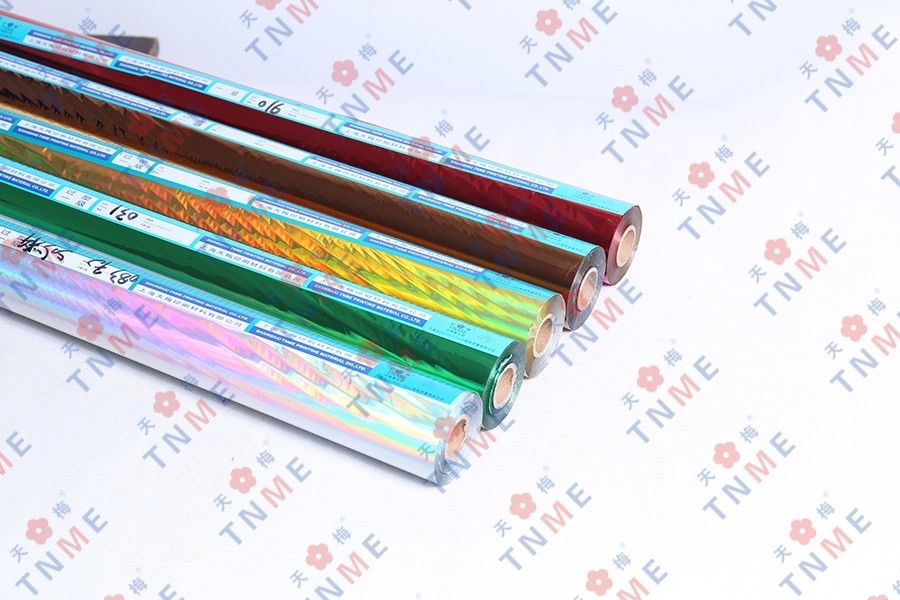
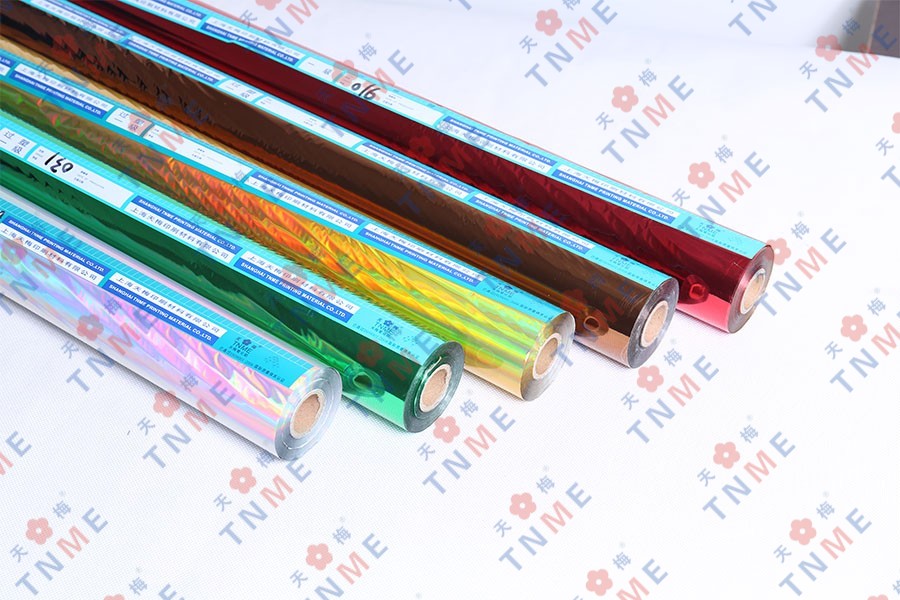
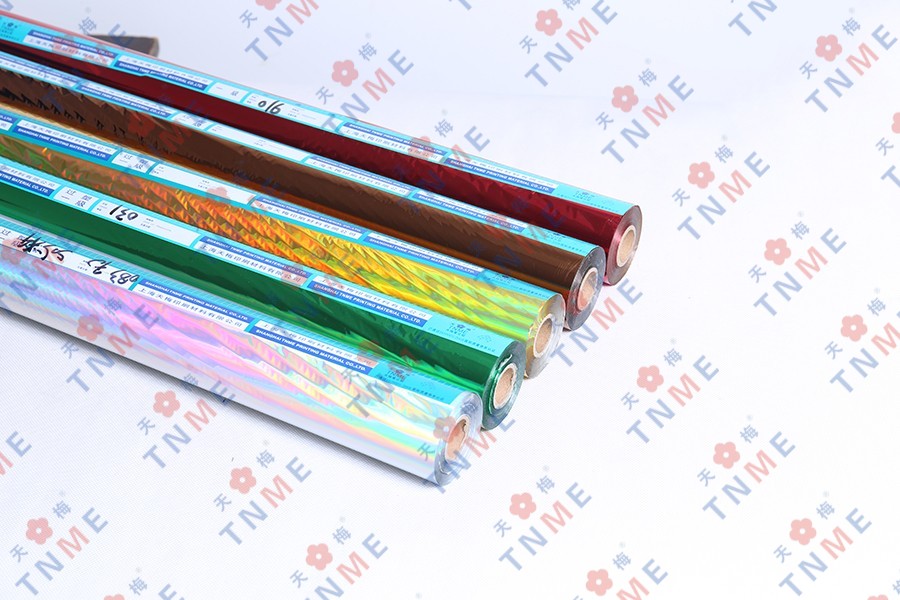
Laser aluminized film — also referred to in the market as Laser Aluminized Film Pearl foil — goes through an additional and more complex manufacturing sequence. After the initial vacuum metallization step (which is essentially identical to that for standard film), the coated surface undergoes a laser diffraction grating embossing process.
A master holographic or diffraction pattern — engraved at the microscopic level using laser technology — is transferred onto the metallized surface under heat and pressure via a precision embossing roller. The resulting microstructure, with groove spacings typically in the range of 0.5 to 2.0 micrometers, causes incident light to be diffracted at multiple angles simultaneously. This is what produces the signature rainbow, shifting color, or pearl-like visual effect.
Some manufacturers apply a protective topcoat after embossing to improve abrasion resistance and printability. The entire process requires significantly more equipment, tooling, and quality control than standard metallization alone.
Visual and Optical Performance Comparison
The most immediately obvious difference between the two films is how they look — and that visual distinction drives much of the purchasing decision in consumer packaging markets.
| Property | Standard Metallized Film | Laser Aluminized Film |
|---|---|---|
| Base Appearance | Uniform silver mirror finish | Rainbow, holographic, or pearl shimmer |
| Color Shift | None | Dynamic — varies with viewing angle |
| Pattern Options | None (single finish) | Dozens: geometric, floral, wave, dot matrix, etc. |
| Reflectivity | High and directional | Diffuse and multi-directional |
| Pearl / Soft Glow Effect | Not available | Available in pearl variants |
| Anti-Counterfeit Potential | Low | High (unique pattern can be serialized) |
Standard metallized film reflects light in a single, predictable direction, producing a clean, industrial silver look that works well as a neutral background for printed graphics. Laser aluminized film, by contrast, scatters light into a spectrum of colors that shift as the viewing angle changes. In retail environments with overhead lighting, this dynamic visual quality is dramatically more eye-catching than a static silver surface.
The pearl foil variant of laser aluminized film produces a softer, more diffused glow rather than a sharp rainbow spectrum. This is achieved by modifying the embossed microstructure to scatter light more broadly, creating an effect closer to natural pearl — elegant rather than flashy. This variant is particularly popular in cosmetics, feminine care, and premium food packaging.
Physical and Technical Specifications
Beyond appearance, packaging engineers need to evaluate these films on measurable technical parameters including thickness, barrier performance, tensile strength, and surface energy.
Film Thickness and Substrate Options
Both film types are available in a range of base film thicknesses, most commonly 12 microns, 16 microns, 18 microns, and 25 microns for BOPP and PET substrates. Laser aluminized film does not inherently add significant thickness — the embossed microstructure depth is measured in nanometers and does not materially affect the caliper of the roll. However, if a protective coating is applied after embossing, a marginal thickness increase of 1 to 3 microns may result.
Barrier Performance
Aluminum metallization, regardless of whether the film is laser-embossed or not, provides meaningful barrier properties against oxygen and moisture vapor. For standard metallized film with an optical density of 2.3, typical oxygen transmission rates (OTR) fall below 5 cc/m²/day and water vapor transmission rates (WVTR) below 0.5 g/m²/day, though exact values depend on substrate type and metallization thickness.
For laser aluminized film, the embossing process creates very fine surface modulations in the aluminum layer. In most well-controlled manufacturing processes, this does not significantly degrade barrier performance. However, in lower-quality production, the micro-deformations can introduce pinholes that reduce barrier integrity. Buyers requiring strict barrier performance should request OTR and WVTR test data specific to the laser aluminized product rather than relying on generic metallized film figures.
Surface Energy and Printability
Standard metallized film, particularly BOPP-based, typically has a surface energy of 36 to 42 dynes/cm after corona treatment, which is adequate for solvent-based or UV flexographic inks. Laser aluminized film, especially variants with a topcoat, often achieves surface energy levels of 40 to 48 dynes/cm, which can support a broader range of ink systems including water-based inks.
However, the embossed surface of laser aluminized film can present challenges for some printing processes. The microstructure may cause uneven ink lay-down if the press is not properly set up. Pre-press communication with the film supplier is recommended when planning high-coverage flood coat printing on laser embossed surfaces.
Tensile Strength and Elongation
The base film substrate is the primary determinant of mechanical properties. PET-based films — whether standard metallized or laser aluminized — offer significantly higher tensile strength (typically 150 to 200 MPa in the machine direction) compared to BOPP-based films (100 to 150 MPa). The embossing step does not materially alter these values, as the base polymer structure is unchanged.
Key Application Differences
The practical differences between the two film types translate into distinct application territories, with some overlap and some areas where one clearly outperforms the other.
Where Standard Metallized Film Excels
- Flexible packaging for snacks, coffee, and dried foods where a clean silver background is preferred
- Thermal insulation pouches and reflective wraps where optical performance is functional rather than decorative
- Industrial labels where surface consistency and adhesion stability matter more than aesthetics
- Lidding films and barrier laminates in medical packaging where validated barrier data is required
- High-speed printing lines where surface uniformity ensures consistent ink adhesion without press adjustments
Where Laser Aluminized Film Excels
- Premium cosmetic packaging — eye shadow boxes, perfume cartons, skincare pouches — where the pearl or holographic effect signals luxury
- Gift wrap, greeting card foiling, and festive seasonal packaging where visual drama is the primary objective
- Confectionery and chocolate wrappers seeking a premium, gift-like presentation
- Anti-counterfeit applications in pharmaceuticals, spirits, and tobacco — unique holographic patterns are difficult to replicate without the original master
- Labels for premium beverages, health supplements, and personal care products targeting visually driven purchase decisions
- Retail display materials, promotional packaging, and limited-edition product runs
A useful rule of thumb: if the packaging's primary job is to protect the product, standard metallized film is often the more efficient choice. If the packaging's primary job is to sell the product at the point of display, laser aluminized film typically delivers a stronger return on the premium investment.
Pattern Variety and Customization
One of the most commercially significant advantages of laser aluminized film over standard metallized film is the breadth of visual customization it enables.
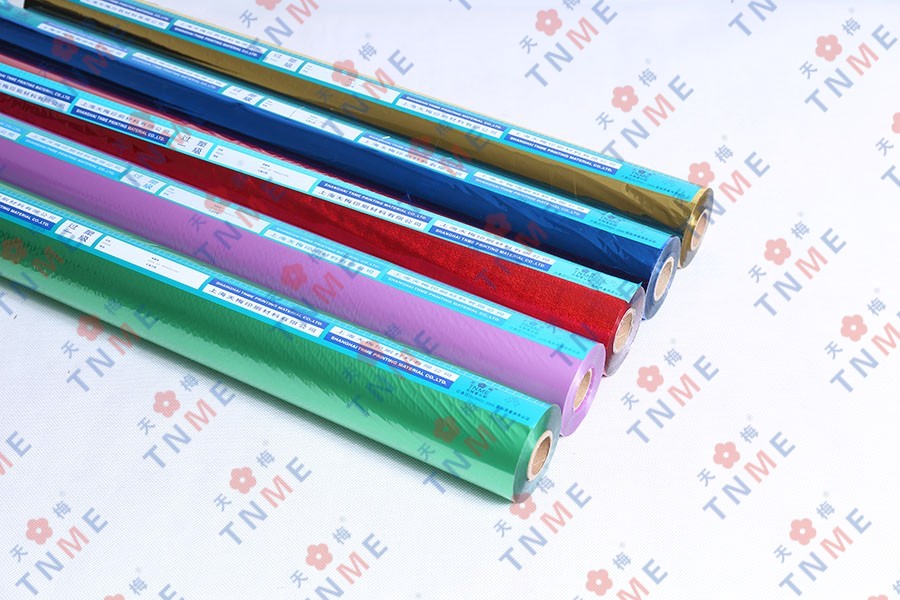
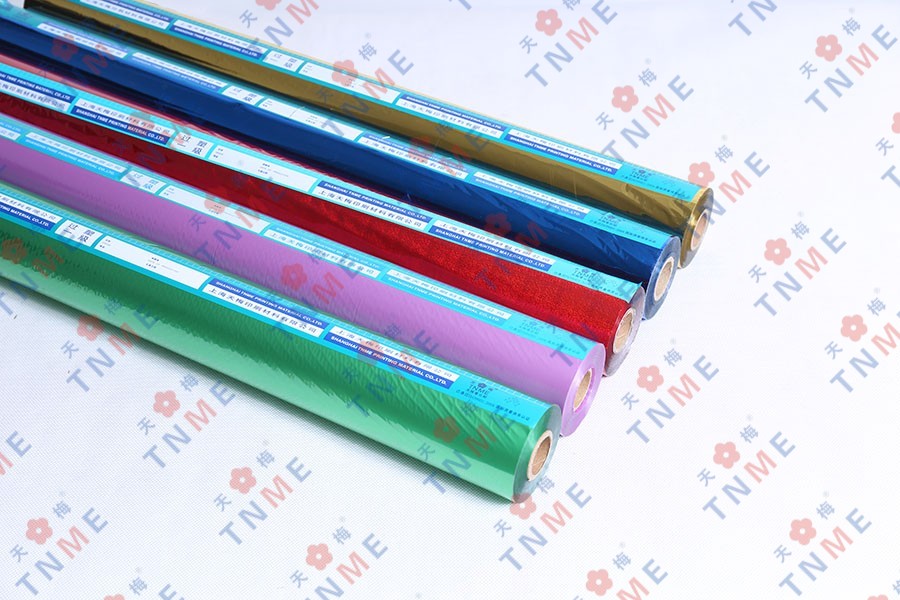
Standard metallized film offers essentially one visual outcome: a silver mirror. Variations — such as colored metallized films — require additional coating steps and are still directionally consistent in their reflectivity.
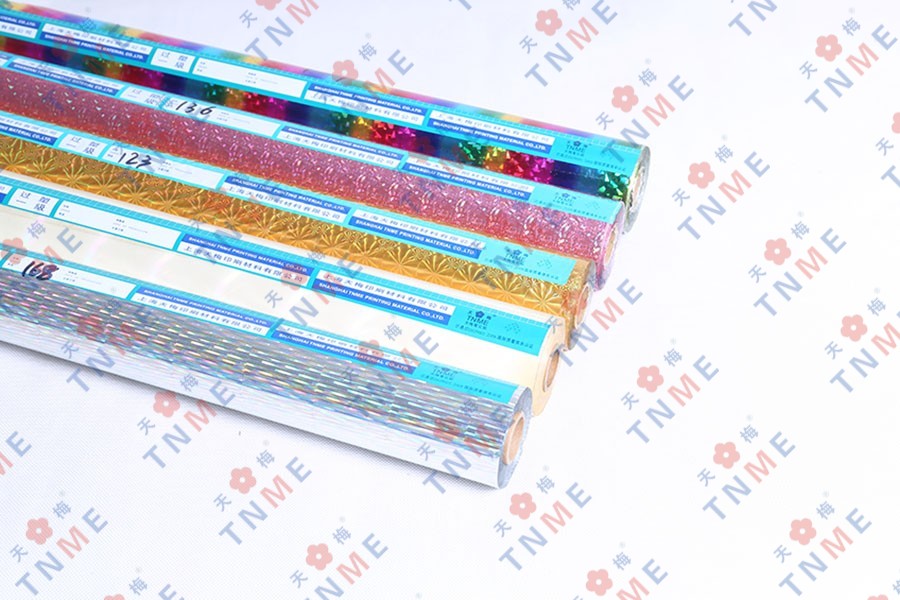
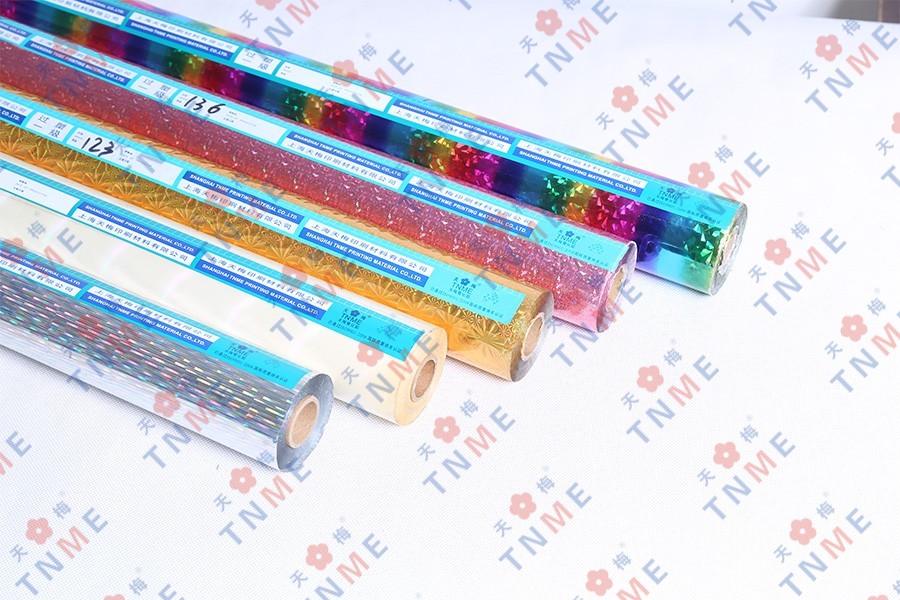
Laser aluminized film, by contrast, can be produced in a very wide range of embossed patterns. Common categories include:
- Geometric patterns — grids, diamonds, honeycombs, and angular structures that produce crisp, structured light diffraction
- Wave and flow patterns — sinusoidal or organic curves that create a fluid, motion-like color shift
- Dot matrix patterns — fine arrays of micro-lenses that produce a soft, pearl-like diffusion
- Floral and decorative motifs — custom shapes embossed to produce pattern-specific holographic imagery
- Seamless repeating designs — ensuring no visible join lines in continuous roll-to-roll processing
- Branded or serialized holographic patterns — unique structures developed to a specific brand's specification for authentication purposes
The number of available standard catalog patterns from established manufacturers typically exceeds 50 to 100 distinct designs, with custom pattern development available for high-volume buyers willing to invest in tooling costs. Custom master tooling charges typically range from a few thousand to tens of thousands of dollars depending on complexity, but are amortized over large production volumes.
Cost Structure and Economic Considerations
Price is a practical factor in any material specification, and the two film types occupy clearly different price tiers.
| Cost Factor | Standard Metallized Film | Laser Aluminized Film |
|---|---|---|
| Base Material Cost | Lower | Higher (20%–60% premium typical) |
| Tooling / Setup | Minimal | Pattern master required (one-time cost) |
| Minimum Order Quantity | Flexible, often lower MOQ | Often higher MOQ for custom patterns |
| Lead Time | Shorter (simpler process) | Longer (embossing step adds time) |
| Value-Add Justification | Barrier and functionality | Premium perception and differentiation |
The cost premium for laser aluminized film is generally justified in categories where packaging aesthetics drive measurable sales uplift. Consumer research consistently shows that products in premium-effect packaging command higher perceived value and willingness-to-pay at the point of sale. In cosmetics, for example, a packaging upgrade from standard silver to laser pearl foil has been associated with perceived price increases of 15% to 30% by consumer survey respondents, even when the product inside is identical.
For commodity packaging with tight cost targets, however, the premium is harder to justify. In those cases, standard metallized film delivers reliable performance at a lower total system cost.
Environmental and Sustainability Considerations
Both film types present similar end-of-life challenges, as aluminum-metallized plastic films are composite materials that are generally not accepted in standard curbside recycling streams. The aluminum layer, while thin (typically 20 to 40 nanometers), bonds to the plastic substrate in a way that complicates mechanical recycling.
Laser aluminized film does not introduce additional environmental burden beyond what is already present in standard metallized film — the embossing step does not add chemicals or coating layers in most standard products, unless a topcoat is applied. Where topcoats are used, they are typically acrylate-based and applied at very low add-on weights.
The packaging industry is actively exploring several directions to improve the recyclability of metallized films:
- De-metallization processes that allow aluminum recovery and polymer recycling in separate streams
- Ultra-thin oxide barrier coatings as alternatives to aluminum metallization — though these currently cannot replicate the visual effects of laser embossing
- Mono-material laminate structures that enable whole-package recyclability while retaining decorative effects
Buyers with sustainability mandates should engage suppliers on the recyclability profile of specific products and request documentation aligned with regional recyclability assessment frameworks.
How to Choose Between the Two
The decision framework can be simplified into a short set of practical questions:
- Is visual differentiation at shelf a primary objective? If yes, laser aluminized film is the stronger choice.
- Is the product in a premium or gift-oriented category? Pearl and holographic foil finishes align with consumer expectations in cosmetics, confectionery, and spirits.
- Is cost minimization the primary driver? Standard metallized film delivers adequate performance at lower cost for functional applications.
- Is anti-counterfeiting a requirement? Laser aluminized film with a proprietary embossed pattern provides authentication capability that standard metallized film cannot match.
- Are strict barrier specifications required with validated test data? Standard metallized film has a longer track record of published barrier performance data; request specific test data for laser products.
- Is the printing process sensitive to surface texture variation? Evaluate laser aluminized film on press before full commitment, particularly for high-coverage ink applications.
In some applications, both materials coexist within the same packaging system — for example, a standard metallized inner barrier liner paired with a laser aluminized outer decorative wrap. This approach captures the functional benefits of metallization where needed while concentrating the visual premium where consumers see it.
Frequently Asked Questions
Q1: Can laser aluminized film be used as a direct replacement for standard metallized film in existing packaging lines?
In most cases, yes — laser aluminized film runs on the same equipment as standard metallized film. However, press operators may need to adjust ink viscosity, anilox volume, or impression pressure to account for the textured surface. A trial run is recommended before full production commitment.
Q2: Does the holographic or laser pattern affect the ability to print graphics on top of the film?
The embossed microstructure is at the nanometer scale and does not create a physically rough surface that would block printing. Graphics can be printed over laser aluminized film using flexographic, gravure, or digital methods. The decorative pattern shows through areas without ink coverage, creating a combined visual effect.
Q3: What is pearl foil, and how does it differ from standard holographic laser film?
Pearl foil uses a modified embossed pattern designed to scatter light broadly rather than diffract it into distinct rainbow colors. The result is a soft, luminous glow reminiscent of natural pearl. Standard holographic laser film produces more defined, angle-dependent color shifting. Pearl foil is favored in applications where elegance is preferred over visual drama.
Q4: Is laser aluminized film more expensive than standard metallized film?
Yes. The additional embossing process and associated tooling make laser aluminized film more costly — typically 20% to 60% more depending on pattern complexity, substrate, and order volume. The premium is most easily justified in premium consumer categories where packaging aesthetics drive purchase decisions.
Q5: Can laser aluminized film be used for food-contact packaging?
This depends on the specific film construction and the regulatory framework in the target market. The aluminum layer in most metallized films is not in direct food contact when used in laminate structures. Buyers should request food-contact compliance documentation from their film supplier and verify against applicable regulations.
Q6: How do I verify the quality of a laser aluminized film sample?
Key checks include visual consistency of the holographic effect across the roll width, absence of streaks or uneven embossing, adhesion of the aluminum layer (tested with tape peel), surface energy measurement (dyne test), and OTR/WVTR data from the supplier's quality certificate. For critical applications, independent laboratory testing is advisable.