

 English
 中文简体
中文简体
What are cold foils and UV layers?
Cold foil is a metallic or decorative film applied to a printed surface using adhesive and UV curing — no heat required. A UV layer is a coating of ultraviolet-curable ink or varnish that hardens instantly when exposed to UV light, providing gloss, texture, or protection. Together, they form one of the most versatile finishing combinations in modern commercial printing.
Unlike hot foil stamping, which requires a heated die and significant setup time, cold foil processes integrate directly into offset or digital press workflows. The result is a faster, more cost-effective method for achieving premium metallic effects on packaging, labels, book covers, and luxury print materials.
How the Cold Foil Process Works Step by Step
The cold foil application process follows a precise sequence that enables inline production without interrupting the print run:
- Adhesive printing: A UV-curable adhesive is applied to the substrate in the exact areas where foil is desired, using a standard printing unit.
- Foil lamination: A roll of metallic foil is pressed against the adhesive-coated surface. The foil bonds only where the adhesive was applied.
- UV curing: The assembly passes under a UV lamp, instantly hardening the adhesive and locking the foil in place.
- Foil stripping: The carrier film is peeled away, leaving only the transferred metallic layer bonded to the substrate.
- Overprinting or UV coating: Additional inks or UV varnishes can then be applied on top for color effects, gloss enhancement, or surface protection.
This inline capability means cold foiling can be completed in a single press pass, dramatically reducing production time compared to offline hot foil methods.
The Role of UV Layers in Cold Foil Finishing
UV layers serve multiple functions in cold foil applications — they are not simply a protective topcoat. Understanding their role clarifies why the combination produces such high-quality results.
Adhesive Activation
The UV-curable adhesive is the foundation of cold foil transfer. It must have precise tack — enough to grab the foil during lamination, but not so aggressive that it causes bleeding or feathering at the edges. UV curing activates instantly, eliminating the drying times associated with solvent-based adhesives.
Gloss and Texture Enhancement
After foil transfer, a UV gloss varnish applied over the foiled area amplifies the mirror-like reflectivity. Conversely, a UV matte varnish applied selectively creates a striking matte-versus-gloss contrast, a popular technique in luxury packaging where the background is matte and the foiled logo is high-gloss.
Structural Protection
Cold foil on its own can be susceptible to scuffing and abrasion. A UV topcoat — typically 3 to 5 microns thick — seals the foil surface, improving resistance to scratching, moisture, and handling wear. This is particularly critical for labels on beverage bottles or cosmetic packaging that experience repeated handling.
Types of UV Materials Used with Cold Foil
The category of UV materials foil encompasses a range of products engineered specifically for cold foil workflows. Choosing the right material determines the final visual and functional outcome.
| Material Type | Key Property | Typical Application |
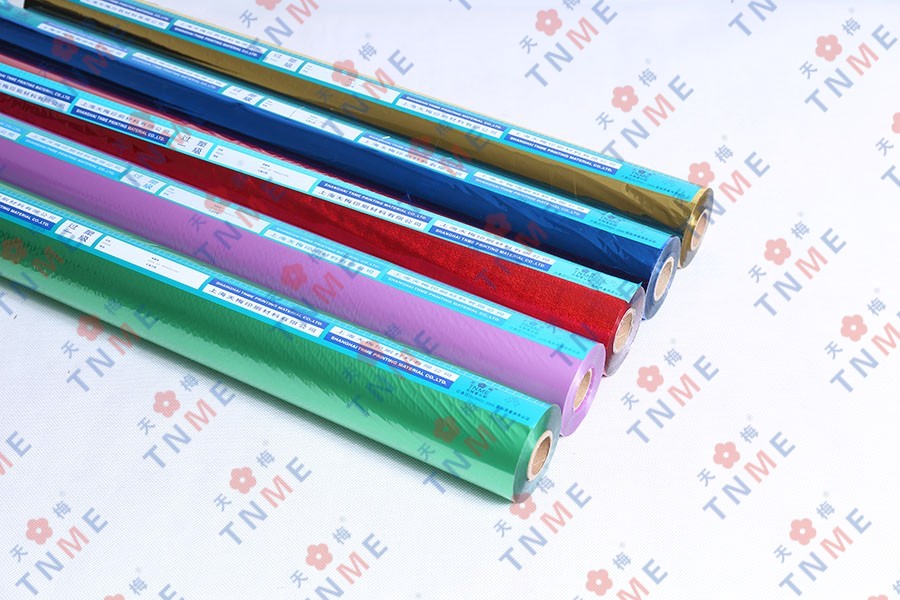
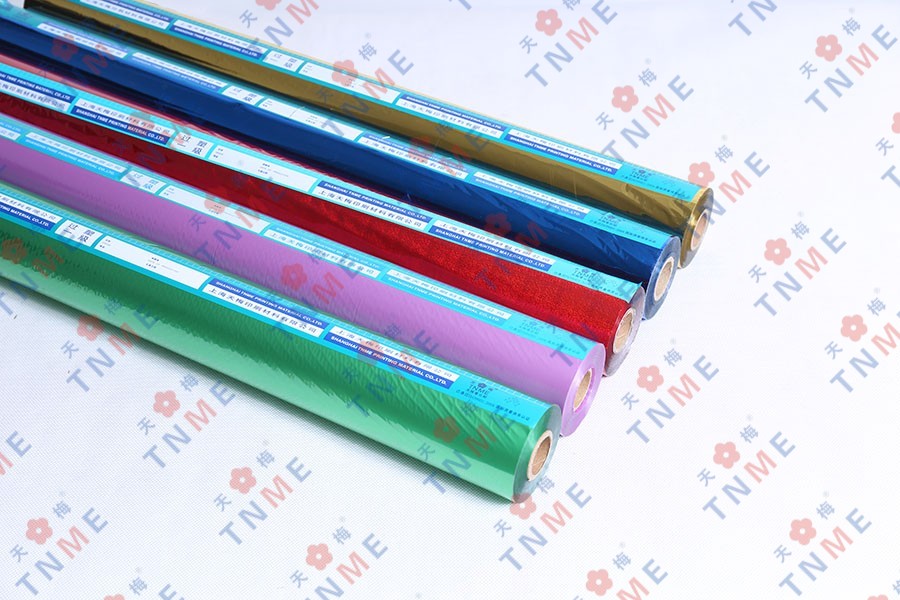
| Silver Metallic Foil | High reflectivity, neutral base | Labels, book covers, packaging |
| Gold Metallic Foil | Warm tone, premium appearance | Luxury goods, certificates, cards |
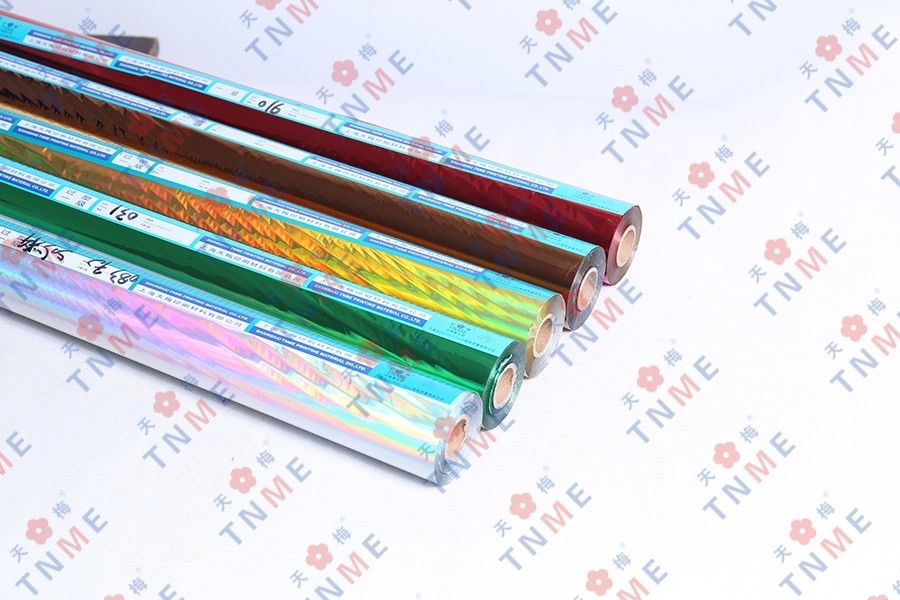
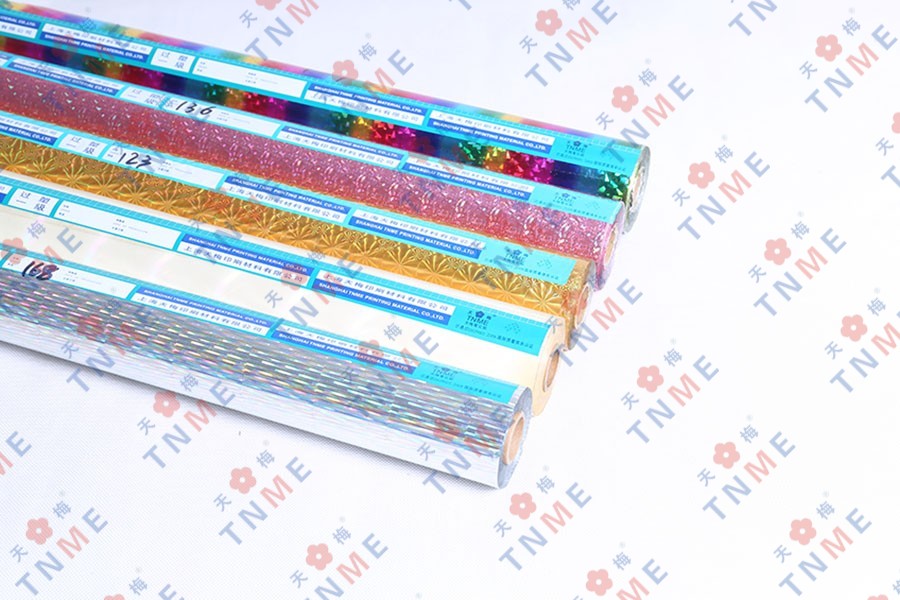
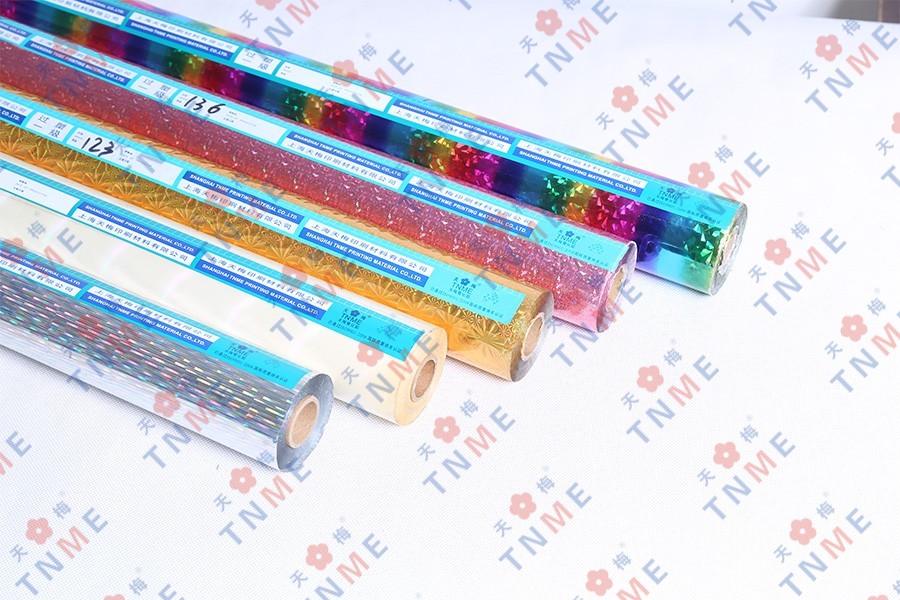
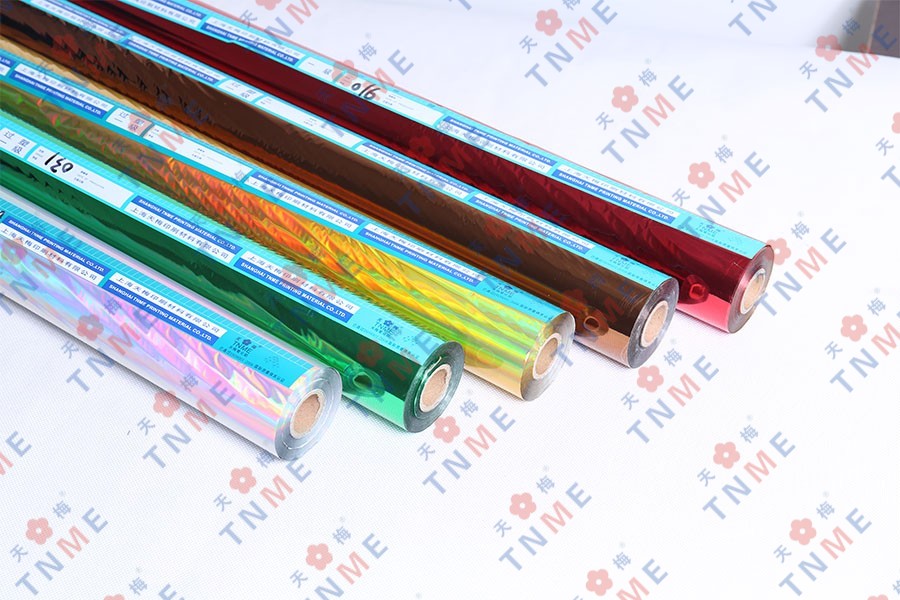
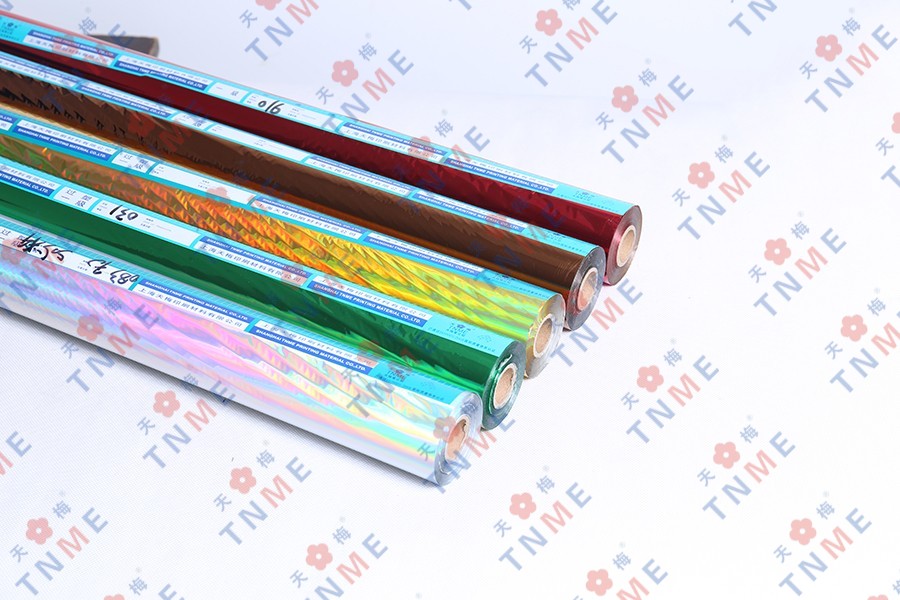
| Holographic Foil | Rainbow diffraction effect | Security labels, promotional print |
| UV Gloss Varnish | High-gloss surface finish | Over foil, spot UV effects |
| UV Matte Varnish | Low sheen, tactile feel | Contrast finishing, cosmetics |
| UV Soft-Touch Coating | Velvety tactile texture | Premium packaging, business cards |
Holographic foils deserve particular attention — their diffraction grating structure creates color-shifting visual effects that cannot be replicated by inks alone, making them a preferred choice for anti-counterfeiting and high-impact brand packaging.
Cold Foil vs. Hot Foil: Key Differences
Both methods achieve metallic finishes, but they differ significantly in process, cost, and suitability for different production environments.
| Factor | Cold Foil | Hot Foil |
| Heat required | No | Yes (typically 100–180°C) |
| Tooling cost | Low (uses print plates) | High (custom metal dies) |
| Setup time | Short | Long |
| Fine detail capability | High (down to ~0.5pt text) | Very high (die precision) |
| Inline production | Yes | Usually offline |
| Best for | Medium-to-high volume runs | Short runs, ultra-premium items |
Common Applications Across Industries
Cold foil combined with UV finishing is deployed across a wide spectrum of print products:
- Beverage and food labels: Metallic foil on wine, spirits, and premium food packaging increases perceived value and shelf impact.
- Cosmetics and personal care: Spot UV and cold foil combinations on boxes and cartons convey luxury and differentiate products on crowded shelves.
- Publishing: Book covers with cold foil titles and UV gloss treatments improve retail visibility.
- Greeting cards and stationery: Fine detail foil on text and illustrations adds tactile and visual appeal without excessive cost.
- Security and authentication: Holographic cold foil is used on certificates, tickets, and identity documents to deter counterfeiting.
Technical Considerations for Quality Results
Achieving consistent, high-quality cold foil output requires attention to several technical parameters:
Substrate Compatibility
Coated papers and smooth films yield the sharpest foil transfer. Uncoated or textured stocks can cause inconsistent adhesion and a duller metallic finish due to surface irregularities interrupting foil contact.
Adhesive Viscosity and Coverage
Adhesive that is too thin results in incomplete foil transfer. Too thick, and it spreads beyond the intended area, blurring fine details. Most cold foil adhesives are formulated for anilox screen counts between 200 and 400 lpi to balance coverage and precision.
UV Lamp Intensity
Undercured adhesive leads to poor foil adhesion and eventual delamination. Overcuring can make the adhesive too rigid, causing cracking during post-press operations such as folding or die-cutting. Calibrated UV output, typically measured in mJ/cm², is essential for process stability.
Press Speed
Cold foil inline processes run at speeds that must be balanced between foil web tension and UV curing time. Many inline cold foil units operate effectively at 8,000 to 15,000 sheets per hour, though this varies based on foil type, substrate, and press configuration.
Frequently Asked Questions
Can cold foil be overprinted with standard inks?
Yes. UV inks adhere well to cold foil surfaces, allowing full-color printing on top of the metallic layer. Solvent-based inks may require adhesion promotion treatment first.
Is cold foil suitable for digital printing?
Yes, though digital cold foil systems typically use toner-based adhesion rather than UV adhesive. Results vary by system, and the foil resolution is generally slightly lower than offset inline cold foiling.
What is the minimum text size that cold foil can reproduce?
On offset presses with well-calibrated adhesive application, cold foil can reproduce text as small as 4–6 point reliably. Below this threshold, fine strokes may fill in or show edge feathering.
Does cold foil work on plastic substrates?
Yes, but surface treatment such as corona discharge or primer application is often needed to ensure adequate adhesive bonding on non-porous films like PP or PET.
How durable is cold foil compared to hot foil?
Hot foil generally offers slightly superior adhesion due to heat and pressure bonding. Cold foil with a UV topcoat, however, can achieve comparable durability for most commercial packaging and label applications.
Can unused cold foil web be reused?
No. Once a foil web passes through the press, the transferred areas are depleted. Unused sections of the web between transferred areas cannot be recovered and reapplied.