

 English
 中文简体
中文简体
What are the primary ingredients in pigment foil that ensure color opacity?
Understanding the Compositional Architecture of Pigment Foil
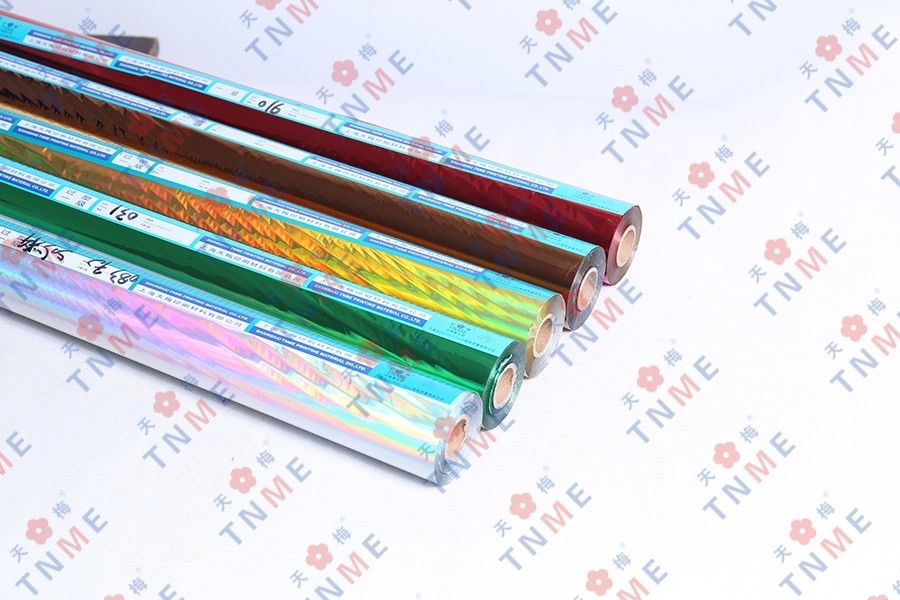
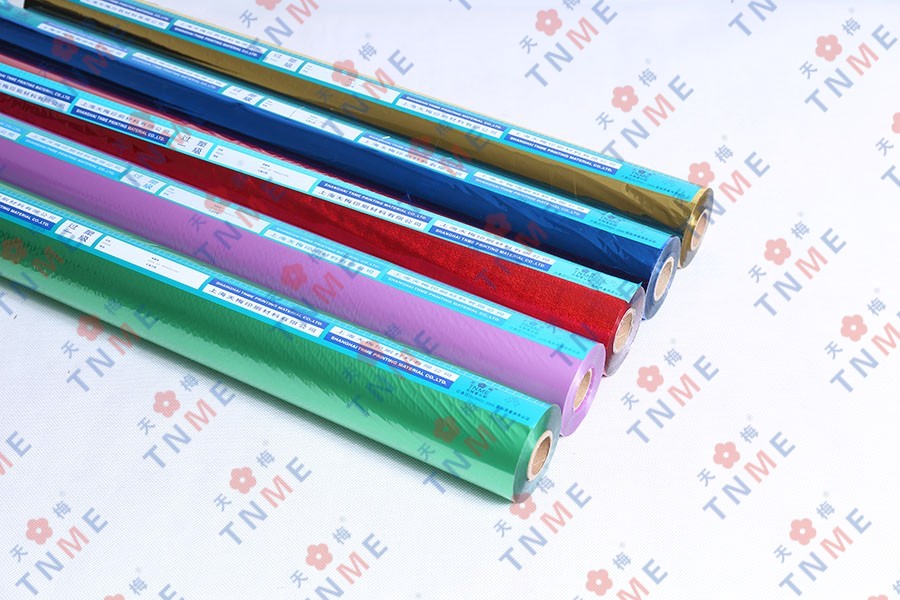
In the industrial marking and decoration sector, Pigment Foil serves as a critical medium for achieving high-contrast, opaque transfers on diverse substrates. Unlike metallic foils which rely on vacuum-metallized aluminum layers for brilliance, pigment foils utilize a multi-layered chemical structure to ensure total light blockage and vibrant color representation. The effectiveness of these foils in B2B applications—ranging from automotive component coding to pharmaceutical packaging—depends entirely on the precision of their internal ingredients.
For procurement specialists and production managers, understanding the material science behind color opacity is essential for selecting the right foil for high-speed production lines. The opacity is not merely a result of the pigment concentration but a synergy between the carrier film, the release agents, and the specialized resin binders that hold the pigments in suspension.
The Core Pigment Systems for Maximum Opacity
The primary ingredient responsible for "hiding power" or opacity is the pigment itself. In high-quality industrial foils, these pigments are categorized into organic and inorganic groups, each serving a specific functional role during the thermal transfer process.
Inorganic Pigments and Opacity Ratios
Inorganic pigments are the backbone of opaque foils due to their large particle size and high refractive index. Titanium Dioxide (TiO2) is the most common ingredient used for white and pastel foils, providing over 95% opacity even at low film thicknesses. For black foils, Carbon Black is utilized for its exceptional UV resistance and total light absorption properties.
- Titanium Dioxide: High refractive index (approx. 2.7) for superior white light scattering.
- Iron Oxides: Provides thermal stability up to 250 degrees Celsius for earthy tones.
- Carbon Black: Ensures deep color density and electrical conductivity where required.
Resin Binders and Their Role in Particle Distribution
Pigments alone cannot form a cohesive layer. Resin binders act as the "glue" that keeps the pigment particles evenly distributed. If the resin-to-pigment ratio is incorrect, the foil may suffer from "pinholing," where light passes through microscopic gaps in the pigment layer.
| Resin Type | Function in Pigment Foil | Typical Application |
| Acrylic Resins | Clarity and UV resistance | Outdoor signage and labels |
| Nitrocellulose | Fast drying and hard finish | General coding and marking |
| Polyester Resins | Flexibility and adhesion | Flexible packaging and plastics |
Functional Additives for Transfer Precision
While pigments provide color, additives ensure that the color transfers cleanly from the carrier to the product. These ingredients are vital for B2B buyers who operate high-speed hot stamping machines where dwell times are as short as 0.1 seconds.
Release Agents and Waxes
Release layers typically consist of specialized waxes or siliconized resins. These ensure that when the heated die hits the foil, the pigment layer shears off cleanly without leaving "hairy" edges. This is particularly important for small font coding or intricate logos where precision is as important as opacity.
Heat-Activated Adhesives
The final layer of the pigment foil is the adhesive. This ingredient must be matched to the substrate (e.g., PP, ABS, PET, or Paper). If the adhesive does not bond instantly, the opacity of the final mark will be compromised due to incomplete transfer of the pigment layer.
Technical Parameters Affecting Opacity Quality
For industrial applications, opacity is measured through Densitometry. High-quality pigment foils usually maintain a density reading of 1.5 to 2.5 depending on the color. This ensures that even when stamped over a dark background (such as a black plastic part), the pigment color remains true and does not "bleed" or show the background color through the stamp.
- Particle Micron Size: Smaller particles (0.1 to 0.5 microns) provide smoother finishes but may require higher concentrations for total opacity.
- Layer Thickness: Standard pigment layers are between 3 to 5 microns thick.
- Thermal Conductivity: The foil must allow heat to pass from the die to the adhesive layer efficiently without degrading the organic pigments.
Common Applications for High-Opacity Pigment Foils
The demand for highly opaque pigment foils is driven by industries where legibility is non-negotiable. For instance, in the medical device industry, lot numbers and expiration dates must be perfectly opaque to ensure scanner readability and patient safety. Similarly, in the cable and wire industry, white pigment foil must provide total coverage over dark insulation materials.
In the cosmetic industry, pigment foils are preferred for their "matte" look, which offers a premium feel compared to the gloss of metallic foils. Here, the chemical ingredients must also be resistant to oils and alcohols commonly found in perfumes and lotions, ensuring the opaque design does not smudge or fade over the product's lifecycle.
Frequently Asked Questions (FAQ)
Q1: Why does the opacity of pigment foil vary between different colors?
Opacity depends on the natural refractive index of the pigment used; for example, white (Titanium Dioxide) is naturally more opaque than certain organic reds or yellows which may require a thicker coating to achieve the same light-blocking effect.
Q2: Can pigment foil ingredients withstand high-temperature sterilization?
Yes, specialized foils formulated with inorganic pigments and cross-linked resin binders are designed to maintain opacity and adhesion during autoclave or Gamma radiation sterilization processes.
Q3: How does the carrier film influence the final appearance?
The carrier (usually PET) provides the structural tension; a smoother carrier ensures a more uniform pigment lay-down, which indirectly improves the perceived opacity by eliminating surface irregularities.
Q4: What is the shelf life of pigment foils with these chemical ingredients?
When stored in a cool, dry environment (typically 20-25 degrees Celsius), the resins and waxes remain stable for 12 to 24 months before the release characteristics begin to change.