

 English
 中文简体
中文简体
What is Foil Stamping in Printing: A Complete Guide to Hot Stamping Techniques
Understanding Foil Stamping Technology
Foil stamping, commonly referred to as hot stamping printing, is a sophisticated finishing technique that applies metallic or holographic foil to various substrates through heat and pressure. This process creates eye-catching, premium effects that elevate the visual appeal of printed materials. Whether applied to business cards, packaging, book covers, or luxury invitations, foil stamping delivers a metallic shine and tactile dimension that standard printing cannot achieve.
The technology behind foil stamping combines precision engineering with creative design possibilities. A heated die presses a specially formulated foil onto the surface of paper or other materials, transferring a thin metallic or pigmented layer in the exact shape of the die. This technique has become a hallmark of premium branding and luxury product packaging, commanding attention in competitive retail environments.
How Foil Stamping Works
The Basic Process
Foil stamping operates through a straightforward yet precision-dependent process. The substrate (typically paper, cardboard, or board) is positioned on the stamping press. A metal die, heated to temperatures between 300-400 degrees Fahrenheit, applies direct pressure to the foil-coated substrate. The heat activates the foil's adhesive backing, causing it to bond instantly to the material below. When the die lifts away, a sharp metallic impression remains on the surface.
Key Components of the System
- Stamping Press: A specialized machine that applies controlled heat and pressure
- Metal Dies: Custom-engraved tools creating the desired design or text
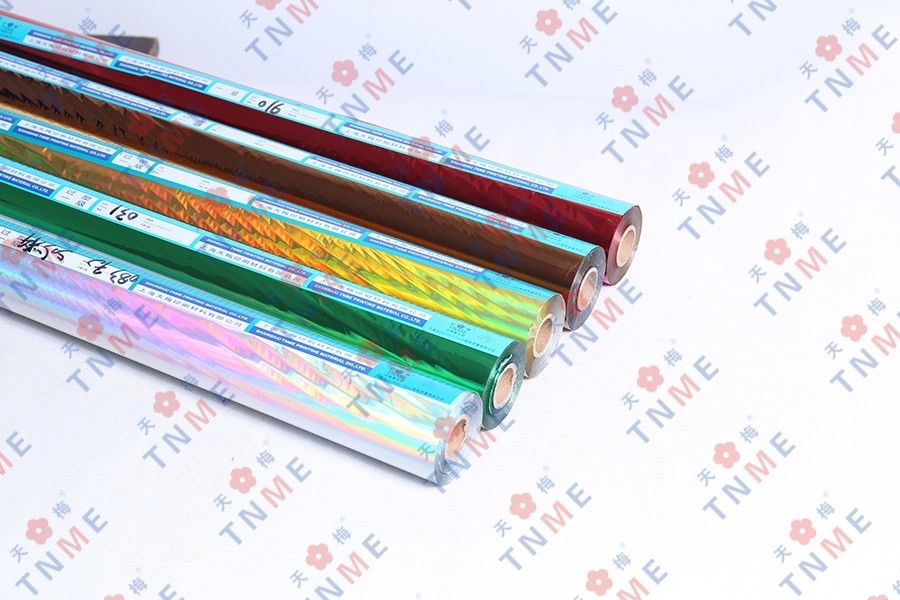
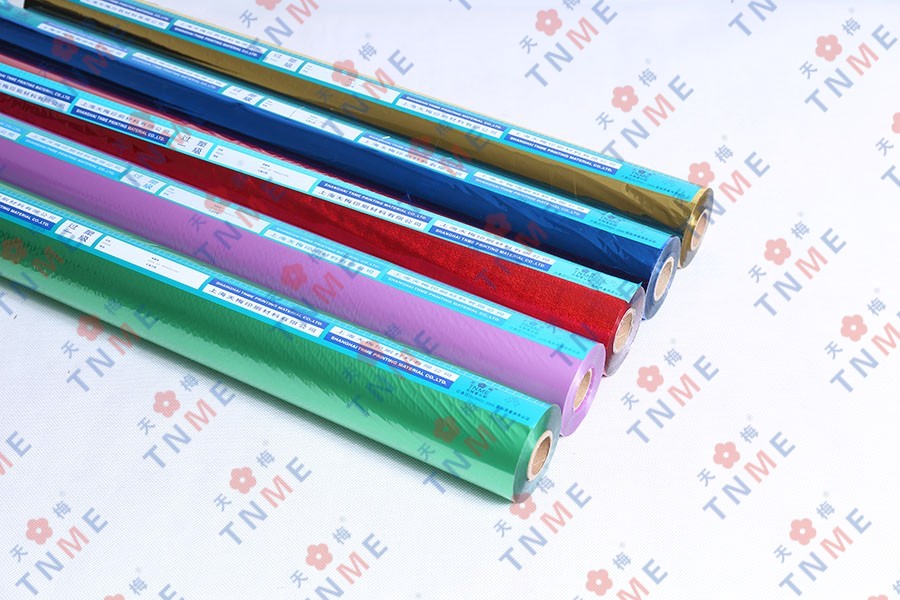
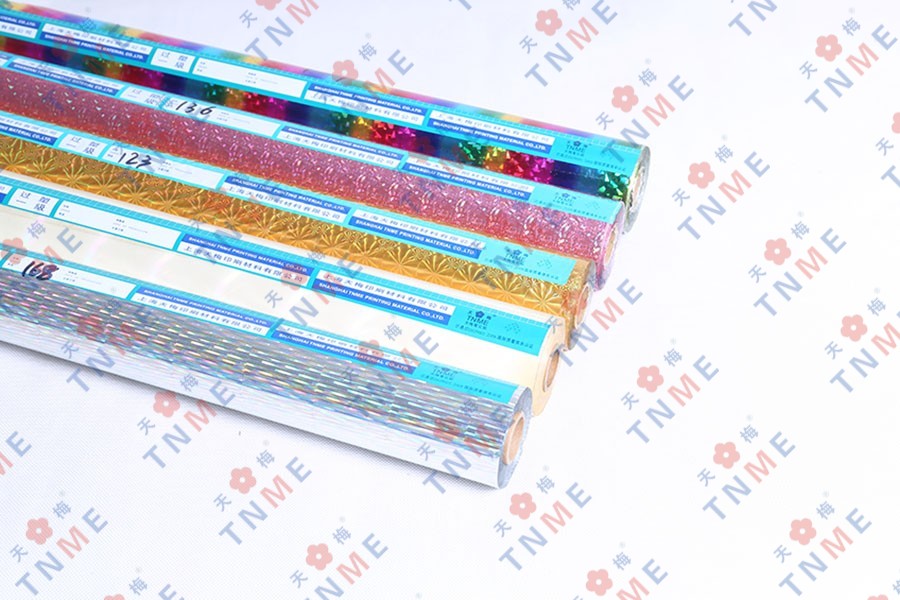
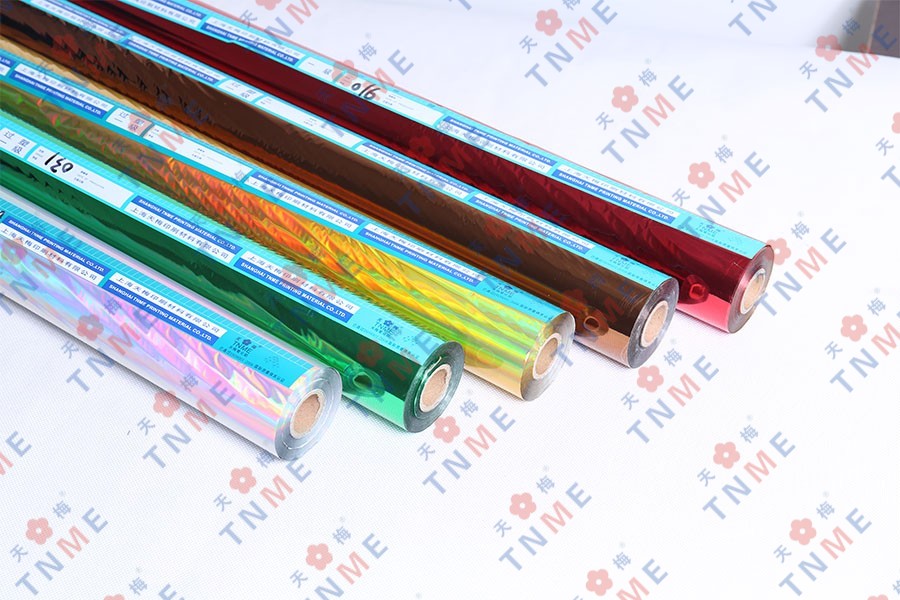
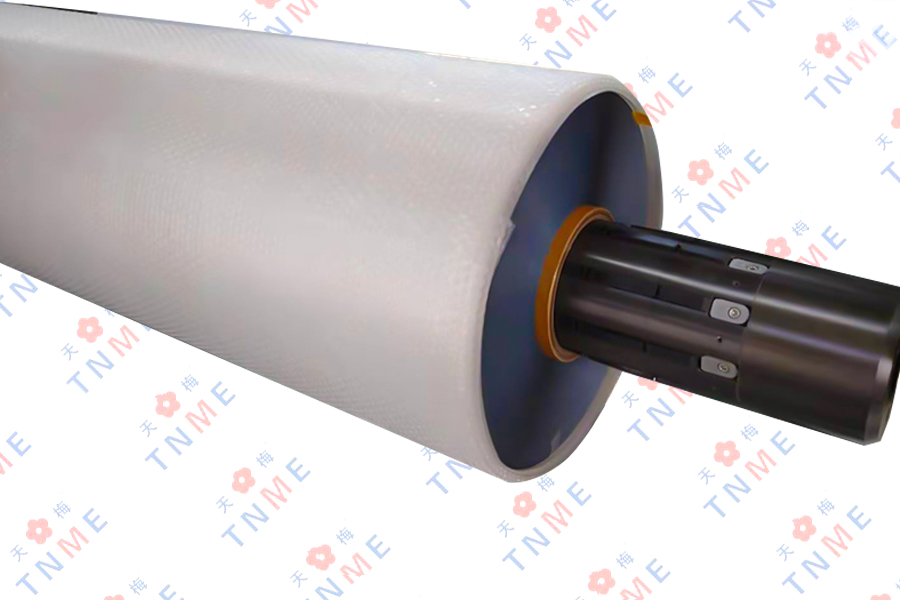
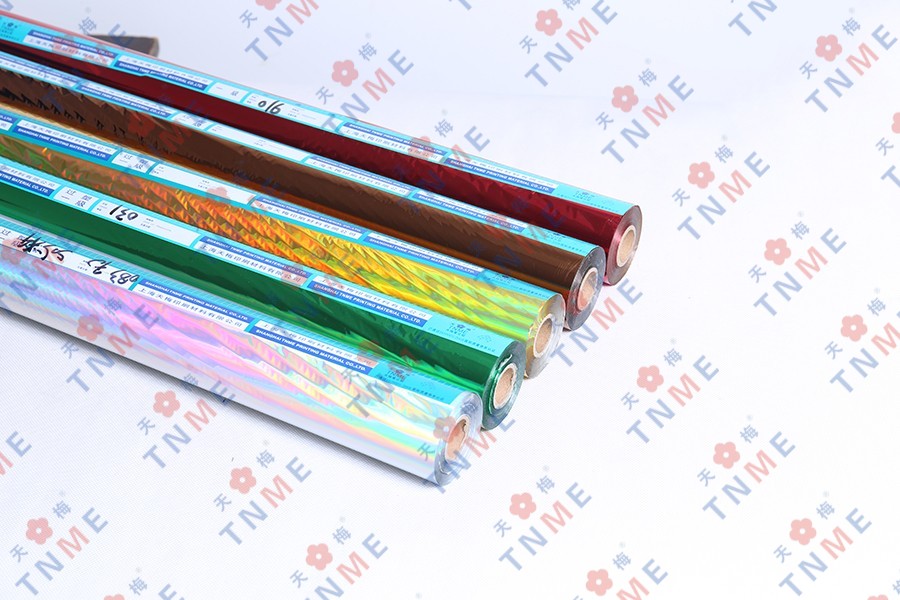
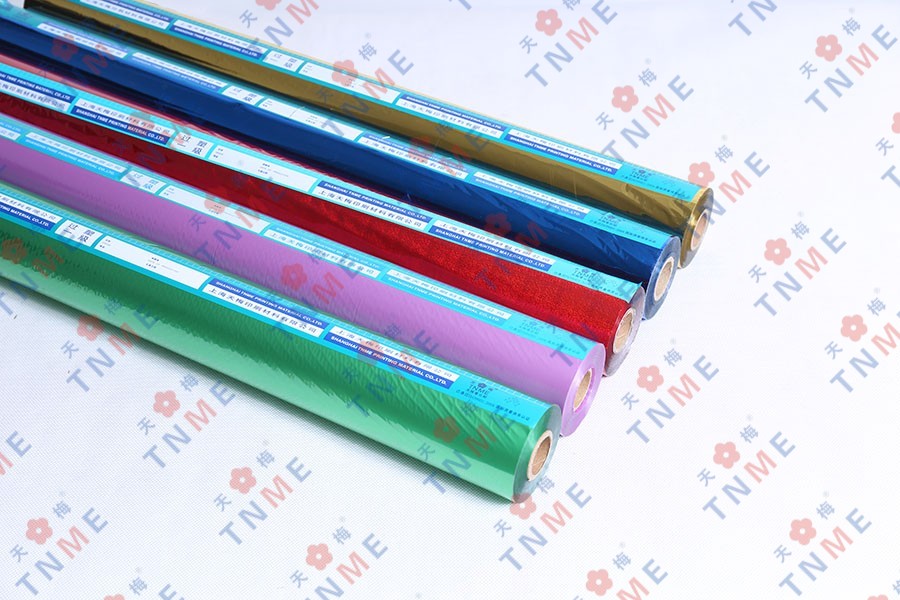
- Foil Roll: A continuous carrier film with metallic or decorative coating
- Substrate: The target material receiving the foil transfer
- Heat Control System: Precision temperature regulation ensuring consistent results
Temperature and Pressure Dynamics
Success in foil stamping depends on achieving the optimal balance between three critical variables: temperature, pressure, and dwell time. If temperature runs too low, the foil fails to adhere properly, resulting in incomplete or faded impressions. Excessive heat can damage delicate substrates or cause foil to spread beyond die boundaries. Pressure must be sufficient to transfer foil without leaving residual marks or damaging the material. Experienced operators understand these variables intimately, making real-time adjustments to maintain quality across production runs.
Types of Foils and Materials
Metallic Foils
Metallic foils represent the most popular choice for foil stamping applications. Gold foil delivers a classic luxury aesthetic, universally associated with premium branding and high-end packaging. Silver foil provides a sophisticated alternative with a cooler tone, ideal for contemporary and modern designs. Copper foil offers warmth and uniqueness, while holographic foil creates eye-catching multi-color effects that shift depending on viewing angle. Each metallic variant serves specific design objectives and brand positioning strategies.
Specialty and Decorative Foils
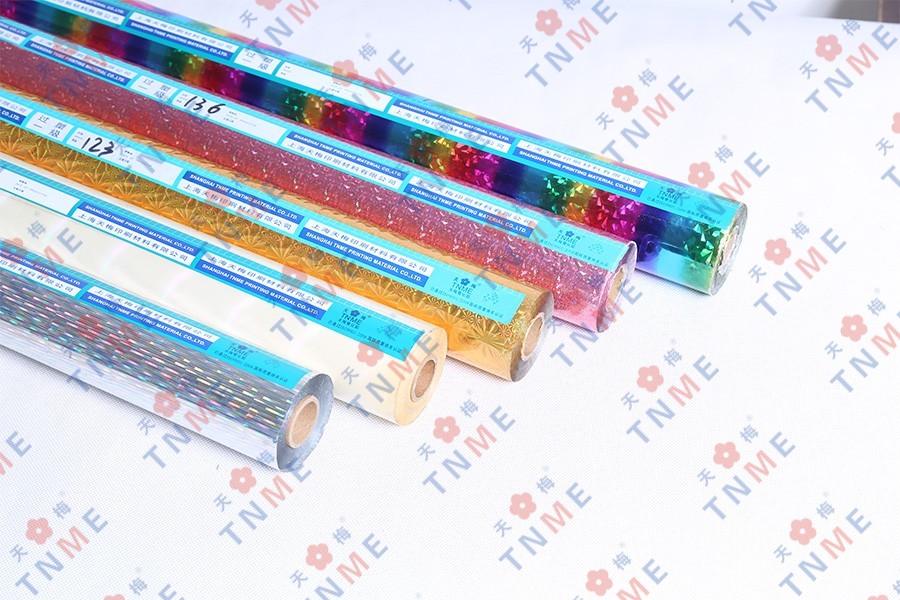
Beyond traditional metallics, the foil stamping market offers numerous specialty options. Pigmented foils come in virtually any color imaginable—vibrant reds, deep blues, rich greens—allowing designers to match brand colors precisely. Matte foils provide a contemporary finish without reflective shine, appealing to minimalist and sophisticated design approaches. Holographic and iridescent foils create dynamic visual effects that respond to light and viewing angle, making them ideal for luxury packaging and collectible items. Combination foils, featuring multiple metallic layers or color gradients, enable even more creative applications.
Substrate Compatibility
Not all materials respond equally to foil stamping. Paper and cardboard remain the most common substrates, with coated stock generally producing superior results compared to uncoated varieties. Plastic films can be foil stamped but require modified temperatures and pressure settings. Leather, cloth, and specialty materials present unique challenges and opportunities. The substrate's surface texture, coating type, and material composition all influence foil adhesion and final appearance. Testing with actual production materials is essential before committing to large runs.
| Foil Type | Best Applications | Finish Characteristics | Cost Level |
|---|---|---|---|
| Gold Metallic | Premium packaging, invitations, luxury goods | Warm, reflective, classic appeal | Standard |
| Silver Metallic | Modern branding, tech products, contemporary design | Cool, reflective, contemporary feel | Standard |
| Pigmented Colors | Brand-specific color matching, creative designs | Matte or semi-gloss, custom colors | Premium |
| Holographic | High-end packaging, specialty items, anti-counterfeiting | Multi-color, light-reactive, eye-catching | Premium |
| Matte Metallic | Minimalist design, luxury minimalism | Subtle, non-reflective, sophisticated | Standard-Premium |
Real-World Applications of Foil Stamping
Packaging and Product Branding
Foil stamping elevates product packaging from functional to memorable. Luxury cosmetics brands use gold foil stamping on cardboard boxes to reinforce premium positioning. Wine and spirits packaging frequently features holographic foil elements that catch light and draw consumer attention on retail shelves. Jewelry boxes benefit from metallic foil application, protecting the unboxing experience and creating lasting first impressions. Skincare and fragrance manufacturers leverage foil gold printing to communicate exclusivity and high-end positioning to discerning consumers.
Stationery and Corporate Materials
Business cards, letterheads, and corporate stationery gain significant distinction through foil stamping. Executive business cards with silver or gold foil stamped logos create professional impact during networking situations. Luxury stationery sets feature foil-stamped monograms or corporate insignia, reinforcing brand identity across written communications. Event invitations to high-profile gatherings benefit from metallic foil accents that signal importance and exclusivity. These applications drive home the message that attention to detail matters in business.
Publishing and Book Design
Book cover design increasingly incorporates printing foils to enhance visual appeal and market presence. Limited-edition releases use foil stamping for title text, author names, and decorative elements, commanding premium prices at retail. Hardcover books feature foil stamping on spines and covers, creating tactile sophistication that readers appreciate. Children's books use colorful pigmented foils to create engaging visual effects that appeal to young audiences. Publishers understand that foil stamping can justify higher retail prices while improving shelf presence.
Specialty and Promotional Items
Gift items, greeting cards, and promotional materials all benefit from foil stamping's visual impact. Luxury greeting cards feature handcrafted foil-stamped designs, commanding premium pricing in specialty retailers. Promotional merchandise like branded leather goods or fabric items receive foil stamping to enhance perceived value. Awards, certificates, and recognition items use foil stamping to communicate prestige and significance. Creative applications extend to fabric dyeing, where foil can adhere to special coated textiles.
Key Advantages and Benefits
Visual Impact and Brand Differentiation
Foil stamping delivers immediate visual impact that standard printing cannot match. The metallic sheen and three-dimensional quality catch light and draw attention naturally. In competitive retail environments, foil-stamped products stand out on shelves, commanding consumer attention and potentially increasing sales. The tactile element of foil stamping creates memorable experiences, enhancing brand recall and customer perception of quality.
Premium Perception and Perceived Value
Products bearing foil-stamped elements are consistently perceived as more luxurious and higher-value than identically-priced items without foil finishing. Consumers associate metallic foil with premium branding, luxury goods, and careful attention to detail. This perception allows manufacturers and designers to command higher retail prices and maintain stronger brand positioning. The cost premium of foil stamping is often justified through improved margins and market positioning.
Durability and Longevity
Modern foil stamping creates durable finishes that resist fading, scratching, and wear. The foil bonds securely to properly prepared substrates, resisting peeling or flaking under normal handling conditions. This longevity preserves brand appearance throughout the product's lifecycle, maintaining visual impact from retail shelf to end-user hands. Protective coatings can further enhance durability in demanding applications.
Versatility and Customization Potential
Foil stamping accommodates virtually unlimited design flexibility. Custom dies enable any conceivable design, from simple text to complex illustrations. Color options range from traditional metallics to custom pigmented foils matching brand specifications precisely. Substrate options extend from standard paper to specialized materials, enabling creative applications limited only by imagination. This versatility makes foil stamping suitable across diverse industries and design approaches.
Challenges and Limitations to Consider
Setup Costs and Die Customization
Custom dies represent significant upfront investment, making foil stamping economically viable only for production runs of sufficient volume. Small batches or short runs may not justify die creation costs, particularly for complex designs. Die maintenance and potential repairs add to total project costs. These economic realities mean foil stamping is best suited for established products with predictable demand rather than experimental or limited-run projects.
Technical Skill Requirements
Successful foil stamping requires experienced operators who understand temperature dynamics, pressure optimization, and substrate characteristics. Machine setup demands precision and attention to detail. Operator error can result in poor foil transfer, substrate damage, or wasted materials. Training and maintaining skilled workforce expertise represents ongoing operational challenge for foil stamping service providers.
Substrate Limitations and Compatibility
Not all materials respond equally to foil stamping. Some coatings interfere with foil adhesion, while others damage easily under heat and pressure. Uncoated paper may not bond foil sufficiently for durable results. Certain plastics melt or distort under the required temperatures. Designers must verify substrate compatibility before committing to production, adding testing phases to project timelines.
Environmental and Sustainability Considerations
Foil stamping generates carrier film waste as foil transfers from roll to substrate. While minimal, this waste stream requires appropriate disposal. The energy consumption of heated dies and press operations adds to overall production carbon footprint. Some foil formulations raise environmental concerns, though eco-friendly alternatives continue to emerge. Companies increasingly seek sustainable foil options to meet corporate environmental responsibility goals.
Achieving Superior Foil Stamping Quality
Design Considerations for Optimal Results
Successful foil stamping begins with design thinking that respects the technology's capabilities and limitations. Fine details smaller than 0.5 points may not transfer cleanly, requiring design modification. Text with small serifs may appear distorted or incomplete. Designs incorporating both solid shapes and delicate linework require careful heat and pressure balancing. The best foil stamping results come from designs specifically conceived for foil application rather than adapted from other printing processes.
Substrate Preparation and Pre-Press Procedures
Substrate cleanliness dramatically impacts foil transfer quality. Dust, lint, and oils prevent proper foil-substrate adhesion, resulting in spotty or incomplete coverage. Proper substrate conditioning—including humidity control and temperature acclimation—ensures consistent performance across production runs. Some applications benefit from substrate pre-coating or specialized sizing to enhance foil adhesion. Professional foil stamping operations maintain strict substrate handling protocols from receipt through production.
Machine Calibration and Maintenance
Regular machine maintenance ensures consistent temperature accuracy, pressure calibration, and die alignment. Temperature fluctuations of even 10-20 degrees Fahrenheit can impact foil transfer quality noticeably. Pressure inconsistency across the die surface creates uneven foil coverage. Worn die edges or misaligned impression surfaces degrade output quality. Professional foil stamping facilities invest in preventive maintenance schedules and quality monitoring systems to maintain precision.
Quality Control and Testing Protocols
Comprehensive quality control requires testing early in production runs to identify and correct issues before committing entire batches. Sample pulls at regular intervals (every 50-100 pieces) maintain awareness of production consistency. Foil adhesion testing—including tape tests and scratch tests—verify durability. Color accuracy assessment ensures foil selection matches approved standards. Statistical process control methods help identify trends before they degrade overall batch quality.
Foil Stamping vs. Alternative Finishing Techniques
Comparing Hot Stamping with Other Methods
Understanding how foil stamping compares to alternative finishing techniques informs technology selection for specific applications. Embossing creates raised three-dimensional effects without color or metallic elements, emphasizing texture rather than visual shimmer. Debossing produces recessed effects, useful for logo application. Lamination adds protective coatings but lacks the metallic visual impact. UV coating provides glossy protection without metallic properties. Spot varnish delivers localized shine to selected design elements without metallic properties. Each technique serves distinct aesthetic and functional objectives.
Cost-Benefit Analysis
Initial setup costs for foil stamping are higher than many alternatives due to die creation requirements. However, per-unit costs for large production runs are competitive, particularly when premium positioning justifies higher retail prices. Embossing and debossing have lower per-unit costs but deliver less visual impact. Lamination and coating provide protection but without distinctive aesthetic effects. The cost-benefit calculation depends on production volume, design complexity, and price positioning strategy.
Design Flexibility and Creative Possibilities
Foil stamping excels at delivering metallic effects and premium visual appeal. Custom dies enable virtually unlimited design possibilities. Combination techniques—using foil stamping alongside embossing or printed elements—create sophisticated multi-dimensional effects. Alternative techniques offer different creative possibilities, making technology selection a design decision as much as an operational one. The most effective premium packaging often combines multiple finishing techniques to maximize impact.
Selecting the Right Foil and Technique for Your Project
Assessing Project Requirements
Successful foil stamping projects begin with clear assessment of objectives. Define the desired visual impact, target audience perception, and brand positioning goals. Consider production volume—foil stamping's economics improve significantly at higher volumes where die costs are amortized. Evaluate timeline requirements, as custom dies require lead time. Establish budget parameters recognizing that premium foil options cost more than standard choices. These foundational decisions guide all subsequent technical selections.
Foil Selection Criteria
Color selection should reflect brand identity and design aesthetics. Gold foil conveys luxury and tradition, ideal for heritage brands and premium positioning. Silver projects contemporary sophistication, appealing to tech and modern brands. Custom pigmented foils enable precise brand color matching, particularly valuable for corporate applications. Holographic foils create eye-catching effects for products requiring maximum retail impact. Finish selection between glossy, matte, or specialized options impacts final appearance and target audience perception.
Substrate and Design Integration
Substrate selection must balance aesthetic objectives with practical considerations. Coated papers generally deliver superior foil adhesion and visual results compared to uncoated stocks. Weight and finish of substrate paper influence perceived quality—heavier stocks suggest premium positioning. Specialty substrates like colored or textured papers create unique effects when combined with metallic foils. Design elements should be specifically conceived for foil application, avoiding overly delicate details or fine serifs that may not transfer cleanly.
Working with Service Providers
Selecting experienced foil stamping service providers significantly impacts project success. Request samples and references to assess quality capabilities. Discuss design specifications thoroughly, as experienced providers offer valuable input on feasibility and optimization. Review proofs and test runs carefully before committing to full production. Establish clear communication regarding quality standards, delivery timelines, and contingency procedures. Strong partnerships between designers and service providers yield superior results and smoother production processes.
Innovation and Future Trends in Foil Stamping
Technological Advances
Foil stamping technology continues evolving with improvements in precision, speed, and capability. Advanced machine controls enable tighter temperature and pressure tolerances, improving quality consistency. Faster production speeds increase throughput without sacrificing quality. Digital die technologies combine traditional foil stamping with digital printing capabilities, expanding creative possibilities. Specialty foil formulations continue emerging, offering enhanced durability, unique visual effects, and improved environmental profiles.
Sustainable Foil Options
Environmental consciousness drives development of eco-friendly foil alternatives. Water-based foil systems reduce chemical content and environmental impact. Recyclable carrier films address waste concerns. Biodegradable foil formulations emerge as sustainable options, though cost considerations currently limit adoption. Leading manufacturers increasingly prioritize sustainability alongside performance, recognizing market demand for environmentally responsible solutions.
Integration with Digital Workflows
Modern foil stamping increasingly integrates with digital design and production workflows. Variable data foil stamping enables personalized applications, such as individual names or custom designs. Hybrid processes combine foil stamping with digital printing for sophisticated multi-color effects. Design software increasingly incorporates foil stamping considerations, helping designers visualize and optimize foil applications during design development. These integrations improve efficiency and expand creative possibilities.
Conclusion
Foil stamping represents a powerful finishing technique capable of transforming ordinary printed materials into memorable, premium expressions of brand identity. The combination of metallic visual impact, tactile dimension, and versatile customization capabilities makes foil stamping an excellent choice for luxury packaging, premium stationery, specialty publishing, and high-end promotional items. Understanding the technical fundamentals—temperature dynamics, pressure requirements, foil characteristics, and substrate compatibility—enables informed decision-making and successful project execution.
The technology's continued evolution, including sustainability improvements and digital integration, ensures foil stamping remains relevant and valuable across diverse applications. While setup costs and technical expertise requirements present legitimate considerations, the premium positioning and consumer perception benefits often justify investment for projects seeking to communicate quality, luxury, and attention to detail. Whether you are a designer, brand manager, or production professional, foil stamping expertise opens creative possibilities and delivers measurable business benefits through enhanced brand perception and market differentiation.
Frequently Asked Questions
Q1: What is the difference between hot stamping and foil stamping?
Hot stamping and foil stamping refer to the same technology and are used interchangeably in the industry. Both terms describe the process of applying metallic or pigmented foil to substrates using heat and pressure from a specialized die. The terms emphasize different aspects—hot stamping emphasizes the heat component, while foil stamping emphasizes the foil material—but describe identical processes.
Q2: Can foil stamping be applied to plastic materials?
Yes, foil stamping can be applied to certain plastics, though not all plastic types are compatible. Rigid plastics like PVC and ABS can be foil stamped, but require careful temperature management to prevent melting or warping. Some flexible plastics present challenges due to heat sensitivity or surface characteristics. Testing with actual plastic samples is essential before committing to production, as plastic type, coating, and thickness significantly impact feasibility and results.
Q3: What is the minimum order quantity for foil stamping projects?
Minimum order quantities vary depending on die creation costs and service provider capabilities. Custom dies typically require minimum orders of 500-1,000 units to justify setup costs, though some providers offer smaller minimums. Stock dies or simplified designs may enable smaller runs. Discussing minimum quantities and setup costs upfront with service providers helps determine project feasibility and cost-effectiveness for your specific requirements.
Q4: How long does foil stamping take from design to delivery?
Timeline depends on several factors. Custom die creation typically requires 5-10 business days, while design approval and substrate preparation add additional time. Actual production timeline depends on run quantity and press availability. From final design approval to delivery, expect 2-4 weeks for typical projects. Rush services may accelerate timelines but typically incur premium charges. Discussing timeline requirements early in the project planning process is essential.
Q5: What causes foil stamping failures and how can they be prevented?
Common foil stamping issues include incomplete transfer (usually due to insufficient temperature or pressure), substrate damage (excessive heat or pressure), and poor foil adhesion (substrate cleanliness or compatibility issues). Prevention requires precise temperature and pressure calibration, substrate preparation and testing, experienced operator oversight, and quality control testing throughout production. Working with experienced providers and conducting thorough test runs before committing to full production significantly reduces failure risk.
Q6: Is foil stamping environmentally friendly?
Traditional foil stamping generates some waste through carrier film and may consume significant energy in heated die operation. However, newer sustainable alternatives are emerging, including water-based foil systems, recyclable carrier films, and biodegradable foil formulations. Many providers now offer eco-friendly options aligned with corporate sustainability goals. Discussing environmental considerations with service providers helps identify sustainable solutions matching your requirements and values.
Q7: Can I combine foil stamping with other finishing techniques?
Yes, foil stamping combines effectively with many other finishing techniques. Embossing and foil stamping together create dimensional effects with metallic accents. Lamination protects foil-stamped surfaces and enhances durability. Spot varnish can be applied alongside foil stamping for selective gloss effects. Color printing with foil stamping accents creates sophisticated multi-technique designs. The most impactful premium packaging often combines multiple techniques strategically to maximize visual and tactile impact.
Q8: How do I ensure color consistency across foil stamping production runs?
Color consistency requires foil selection from the same production batch when possible. Lighting during quality inspection significantly affects perceived color accuracy. Reference samples under standardized lighting conditions aid consistency assessment. Regular visual comparison to approved standards throughout production maintains awareness of variations. Experienced operators make real-time adjustments to temperature and pressure if color appears to vary. Advance communication with foil suppliers regarding batch consistency standards helps ensure reliable results.