

 English
 中文简体
中文简体
What is the difference between hot stamping and pigment foil printing?
The printing and finishing industry has witnessed significant technological advancements, particularly in decorative and functional applications. Among these technologies, Pigment Foil printing and hot stamping have become widely used methods for enhancing visual appeal and adding value to products. While these processes may seem similar in terms of their end results, they involve distinct techniques, materials, and applications.
Definition and Principle
Hot stamping is a dry printing method that transfers a colored or metallic layer from a foil onto a substrate using heat and pressure. The process typically involves a heated die that presses the foil against the surface, activating an adhesive layer on the foil and bonding it to the substrate. Hot stamping is particularly effective for creating metallic finishes, embossed designs, and high-precision decorative elements.
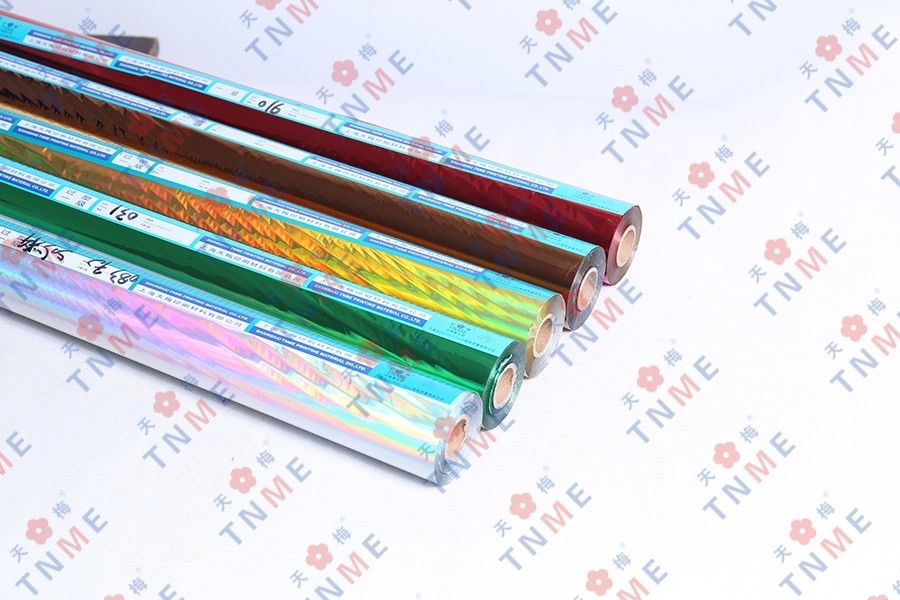
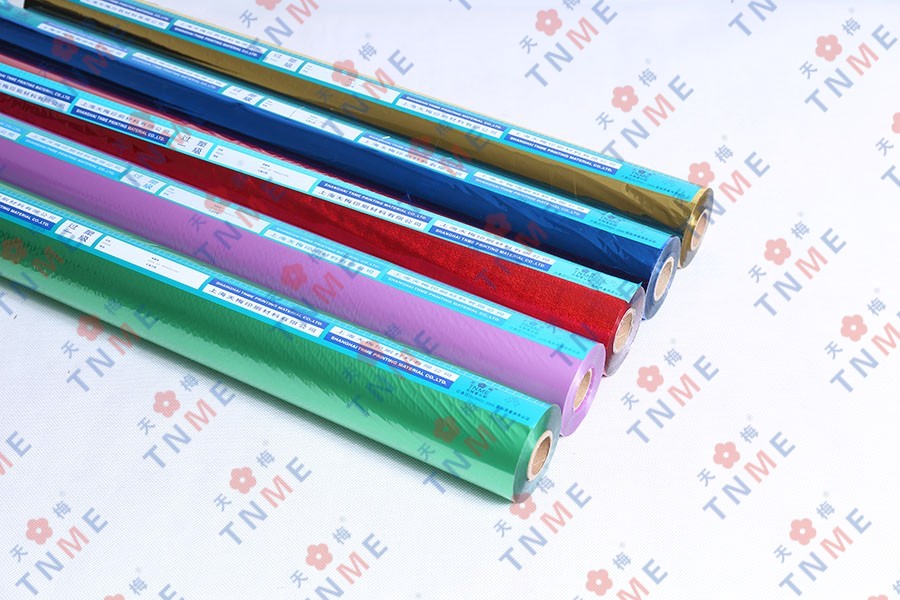
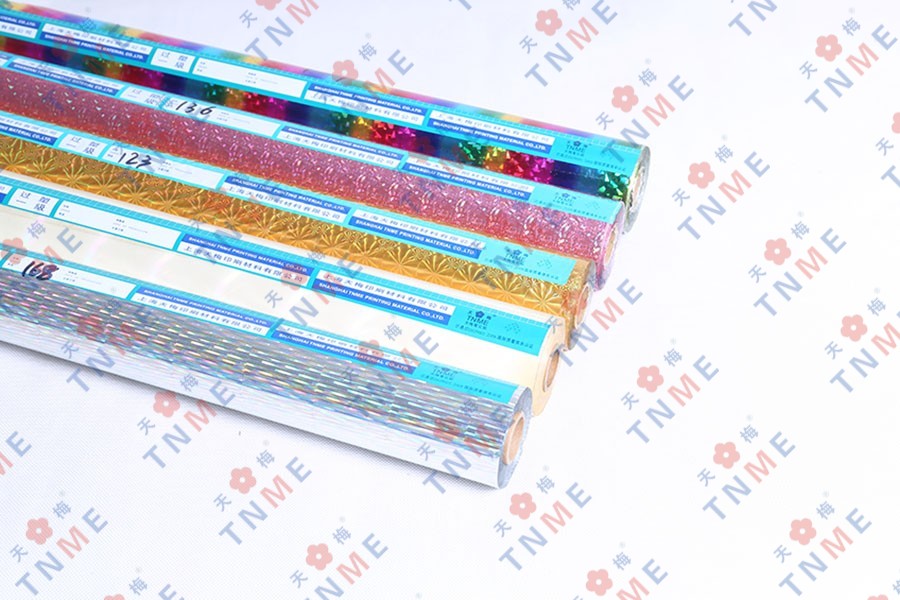
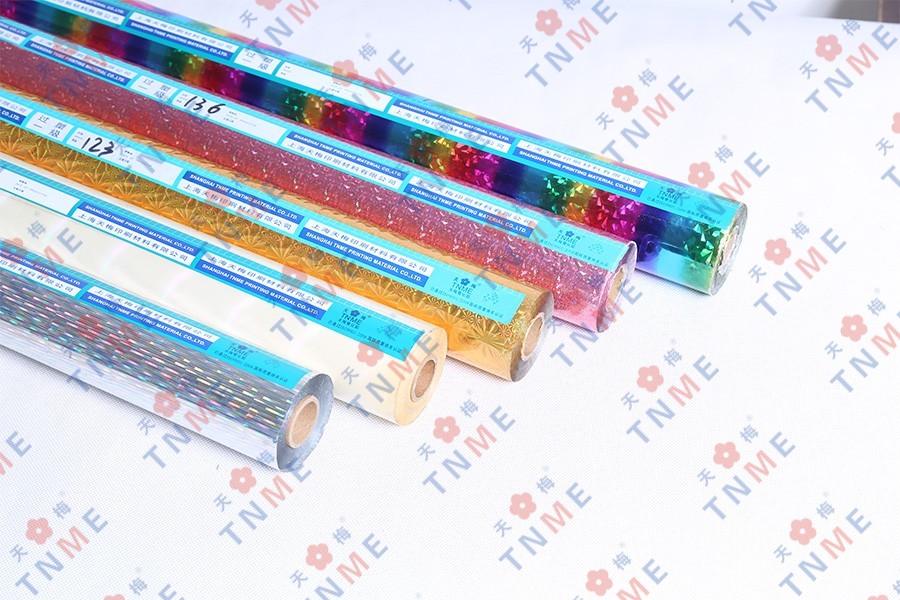
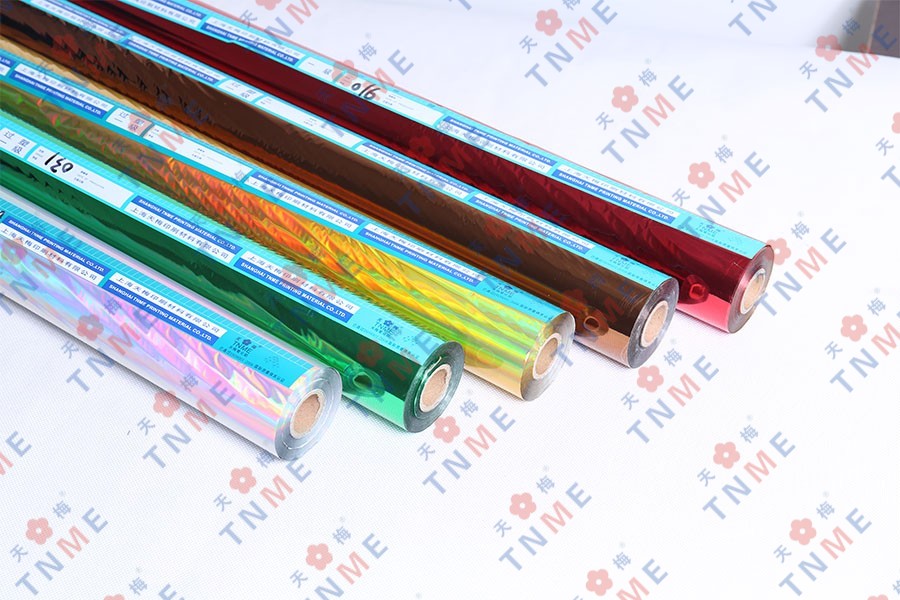
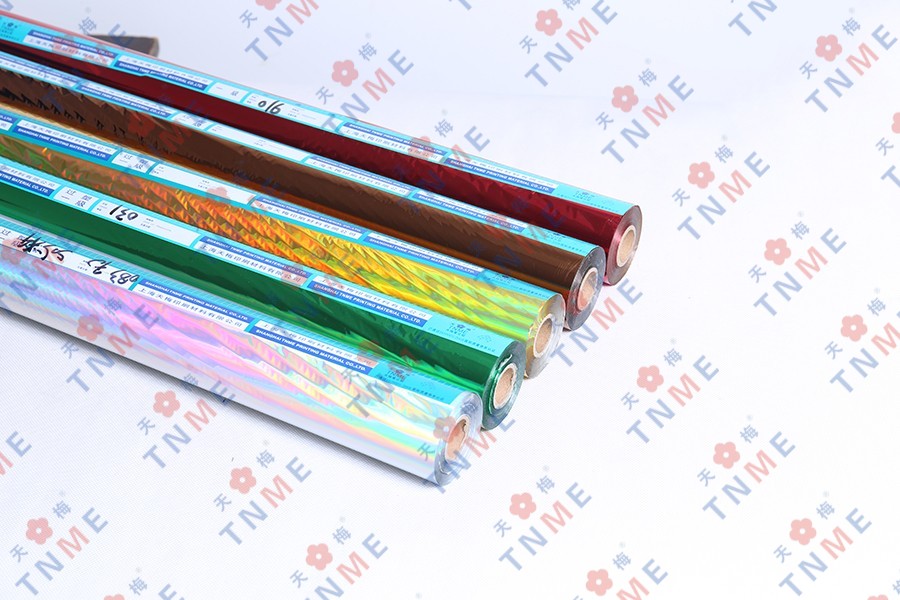
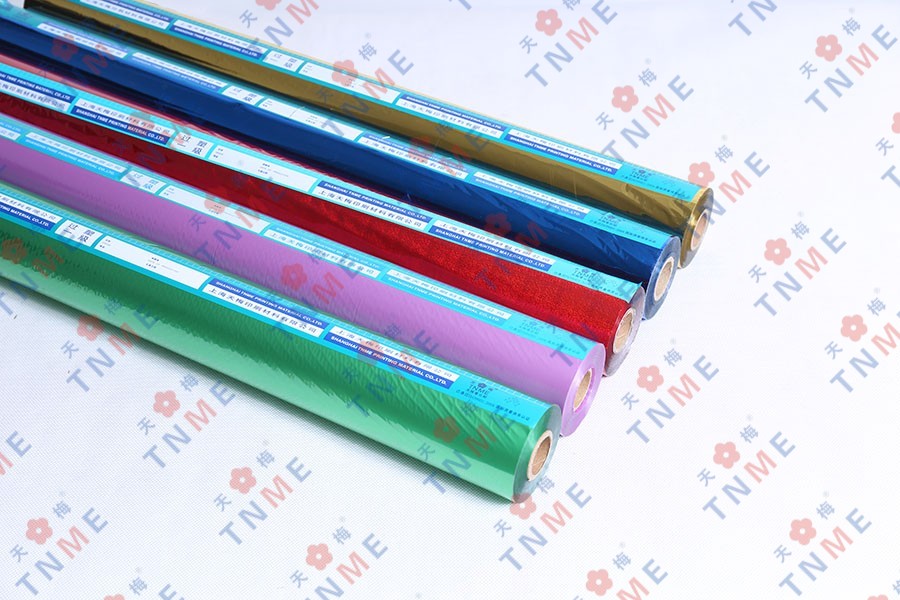
Pigment foil printing, in contrast, refers to a method where Pigment Foil—a thin layer of colored pigment coated on a carrier film—is transferred to a substrate. Unlike metallic foils, Pigment Foil can produce a wide range of colors and textures, including matte, glossy, and pearlescent finishes. The transfer process may involve heat, pressure, or ultraviolet curing, depending on the substrate and foil type. Pigment Foil printing allows for intricate designs with high color fidelity, making it suitable for both functional and aesthetic applications.
The table below summarizes the core distinctions in principle:
| Feature | Hot Stamping | Pigment Foil Printing |
|---|---|---|
| Transfer method | Heat and pressure | Heat, pressure, or UV curing |
| Material | Metallic or pigmented foil | Pigmented layer on carrier film |
| Finish type | Metallic, embossed, reflective | Colored, textured, matte, glossy, pearlescent |
| Adhesive activation | Required by heat | May vary (heat or UV) |
| Common application | Luxury packaging, labels, security printing | Decorative printing, product labels, promotional materials |
Process Differences
The operational differences between hot stamping and Pigment Foil printing are significant.
Hot stamping involves the following steps:
- Preparation of a metal or polymer die with the desired design.
- Placement of the foil over the substrate.
- Heating the die to the correct temperature.
- Pressing the die onto the foil, causing the adhesive layer to bond to the substrate.
- Removal of the die and the remaining carrier film.
Pigment Foil printing can vary based on the substrate and foil type, but a standard procedure includes:
- Aligning the Pigment Foil with the substrate surface.
- Applying the required pressure and heat or UV light.
- Allowing the pigment layer to adhere to the substrate while releasing the carrier film.
- Post-processing, such as laminating or coating, for added durability.
The key distinction lies in material adaptability and flexibility. Hot stamping is most effective for smooth, flat surfaces, whereas Pigment Foil printing can adapt to textured or irregular surfaces, including plastics and coated papers.
Material Considerations
The choice of materials significantly impacts the performance of both processes. Hot stamping relies heavily on metallic foils, which typically include aluminum layers with colored coatings or clear adhesives. These foils are highly reflective, creating a premium appearance, but they are limited in color variety compared to Pigment Foil.
Pigment Foil materials consist of a pigment coating on a polymeric carrier. This allows for a broader range of colors, finishes, and effects. Additionally, Pigment Foil can be formulated for specific substrates, such as PET, PVC, or paper, making it versatile for various industrial applications.
The table below illustrates material differences:
| Aspect | Hot Stamping Foil | Pigment Foil |
|---|---|---|
| Color range | Limited (metallic shades) | Wide (full spectrum, including matte and pearlescent) |
| Surface adaptability | Best on flat, smooth surfaces | Can adhere to irregular, textured surfaces |
| Durability | Resistant to scratching and heat | Varies with pigment and adhesive; may require lamination |
| Substrate compatibility | Paper, leather, plastics | Paper, plastics, films, textiles |
Applications and Industry Usage
Hot stamping is widely used in industries that require high-end decorative finishes or security features. Applications include luxury packaging, greeting cards, wine labels, and authentication seals. The reflective metallic effects create a sense of premium quality and brand value.
Pigment Foil printing is particularly suitable for industries emphasizing aesthetic variety and customization. It is commonly used in product packaging, promotional materials, point-of-sale displays, and decorative elements on consumer goods. The ability to produce diverse finishes and colors makes Pigment Foil highly versatile, catering to both functional and decorative needs.
Key industries and applications:
- Packaging: Premium boxes, labels, and covers
- Promotional products: Custom designs on paper, plastics, and films
- Consumer goods: Decorative surfaces for electronics, cosmetics, and toys
- Security printing: Non-metallic identifiers and color-coded markings
Advantages and Limitations
Both techniques offer unique benefits but also carry inherent limitations.
Advantages of hot stamping:
- High-quality metallic finish and reflective properties
- Durable adhesion on suitable substrates
- Ability to create embossed or debossed designs
Limitations of hot stamping:
- Limited color options
- Less effective on textured or irregular surfaces
- Requires precise die design, increasing setup costs
Advantages of Pigment Foil printing:
- Wide range of colors, textures, and finishes
- Flexible adhesion to various substrates
- Compatible with both flat and textured surfaces
Limitations of Pigment Foil printing:
- Durability depends on pigment and adhesive quality
- Some finishes may require additional coatings for scratch resistance
- Heat or UV sensitivity may restrict application conditions
The table below summarizes the advantages and limitations:
| Feature | Hot Stamping | Pigment Foil Printing |
|---|---|---|
| Color flexibility | Limited | High |
| Surface adaptability | Low | High |
| Durability | High | Medium (varies with application) |
| Setup cost | High (die production) | Moderate (flexible foil sheets) |
| Finish effects | Metallic, embossed | Colored, textured, matte, glossy |
Process Optimization and Quality Control
Achieving consistent results requires attention to process parameters. For hot stamping, maintaining proper die temperature, pressure, and dwell time is critical. Deviations can result in incomplete transfer, foiling errors, or substrate damage.
For Pigment Foil printing, controlling temperature, pressure, and alignment ensures uniform adhesion and color reproduction. Quality control may include adhesion testing, visual inspection for color consistency, and durability assessment under environmental stress. Advanced industrial systems also integrate inline monitoring to detect foil misalignment or transfer defects during production.
Conclusion
Understanding the differences between hot stamping and Pigment Foil printing is essential for selecting the appropriate finishing method based on application requirements. Hot stamping excels in metallic and embossed finishes, providing durability and premium appearance, while Pigment Foil printing offers versatility in color, texture, and substrate compatibility. Selecting the right technique requires evaluating the intended design effect, substrate type, production volume, and functional requirements.
Both processes remain integral to modern decorative printing and packaging, serving distinct roles across industries. Awareness of their unique characteristics ensures optimal results and contributes to the effective use of Pigment Foil and hot stamping in professional applications.
Frequently Asked Questions (FAQ)
Q1: Can Pigment Foil printing be combined with embossing?
Yes, Pigment Foil can be used in combination with embossing or debossing to create textured designs, enhancing both aesthetic appeal and tactile experience.
Q2: Is hot stamping suitable for plastic surfaces?
Hot stamping can be applied to some plastics, but effectiveness depends on the surface smoothness and heat tolerance. Pigment Foil printing often offers more flexibility on plastic substrates.
Q3: How long does Pigment Foil printing last on packaging materials?
The durability of Pigment Foil depends on the adhesive and substrate quality. When applied correctly, it can maintain its color and adhesion for several years under normal conditions.
Q4: Are there environmental concerns with hot stamping foils?
Yes, some metallic foils may have limited recyclability. Selecting recyclable foil options or using Pigment Foil can reduce environmental impact.
Q5: Can Pigment Foil printing achieve metallic effects?
While standard Pigment Foil focuses on color and texture, special metallic pigments can be formulated to create reflective effects, providing an alternative to traditional hot stamping.
References
- Johnson, M. (2022). Advanced Foil Printing Techniques. Printing Technology Journal, 15(3), 45-60.
- Smith, L. (2021). Surface Finishing with Pigment Foil: Applications and Innovations. Packaging Research Review, 12(4), 22-38.
- Williams, T. (2020). Hot Stamping and Foil Transfer in Modern Printing. Industrial Printing Insights, 8(2), 14-29.