

 English
 中文简体
中文简体
What is the difference between UV and foil?
Fundamental Definitions of UV Materials and Foil in Industrial Applications
In the modern manufacturing and packaging industries, UV materials and foil are two indispensable functional materials that serve distinct purposes while overlapping in certain application scenarios. To fully understand their core differences, it is essential to start with their basic definitions, material compositions, and inherent physical and chemical properties. This section establishes a foundational understanding of both materials, clarifying their intrinsic characteristics that form the basis for all subsequent comparisons and application analyses.
UV materials refer to a category of polymer-based materials specifically formulated to react and cure under ultraviolet (UV) light irradiation. These materials are engineered with photosensitive components that trigger a rapid cross-linking reaction when exposed to UV radiation of specific wavelengths, transforming from a liquid or semi-liquid state into a solid, durable film within seconds. UV materials encompass a wide range of formulations including UV coatings, UV inks, UV adhesives, and UV-resistant surface treatments, all unified by their UV-curing mechanism and tailored functional properties for industrial use.
The composition of UV materials is precision-engineered to balance curing speed, adhesion, flexibility, and durability. Standard formulations consist of oligomers that provide the base physical properties, reactive monomers that adjust viscosity and cross-linking density, photoinitiators that initiate the curing reaction under UV light, and specialized additives that enhance specific performance traits such as scratch resistance, weatherability, or color stability. Unlike traditional solvent-based materials, most UV materials are solvent-free, making them compliant with strict environmental regulations across global manufacturing industries.
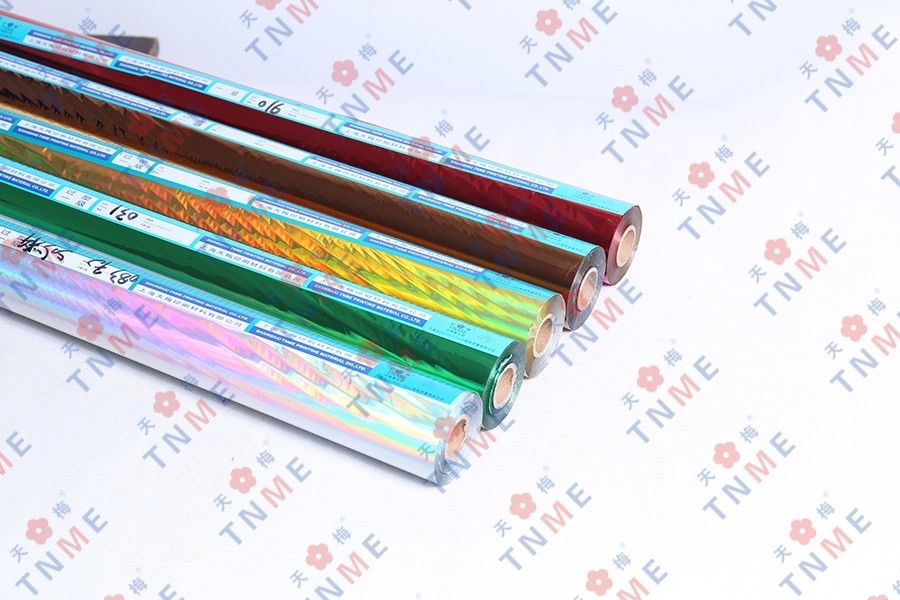
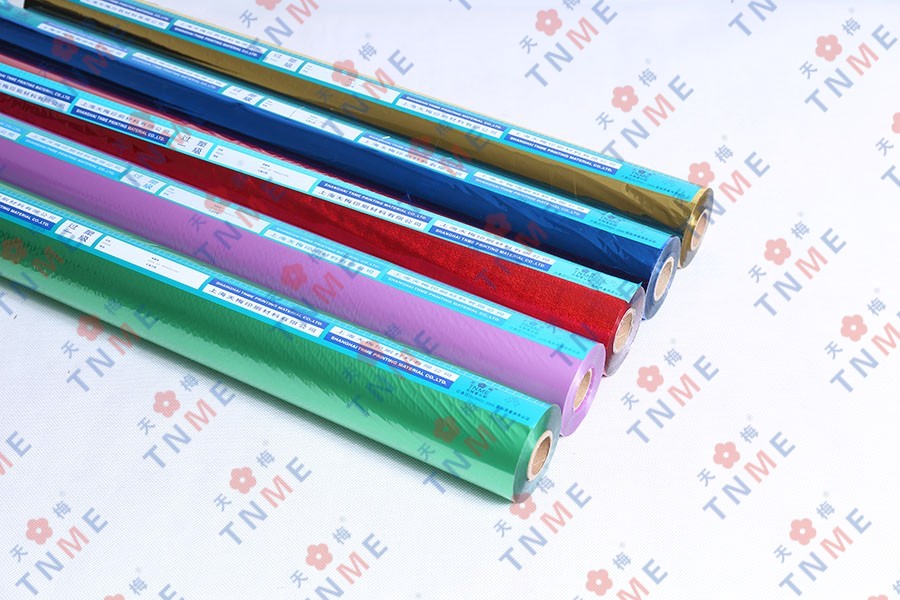
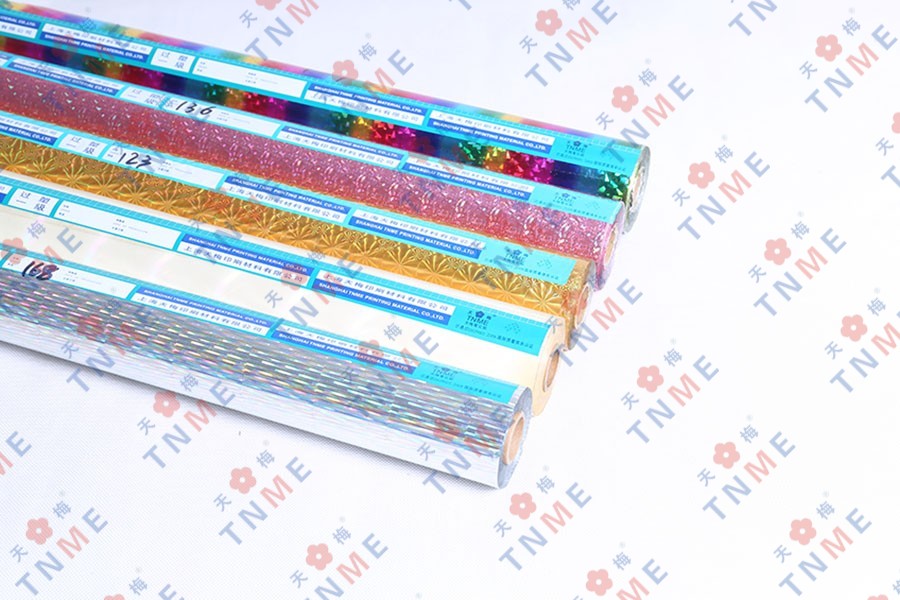
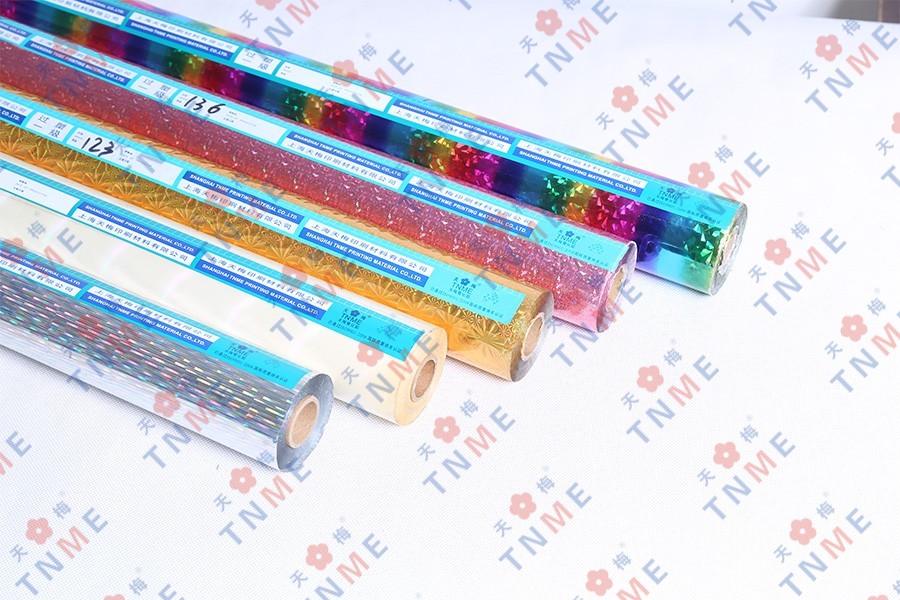
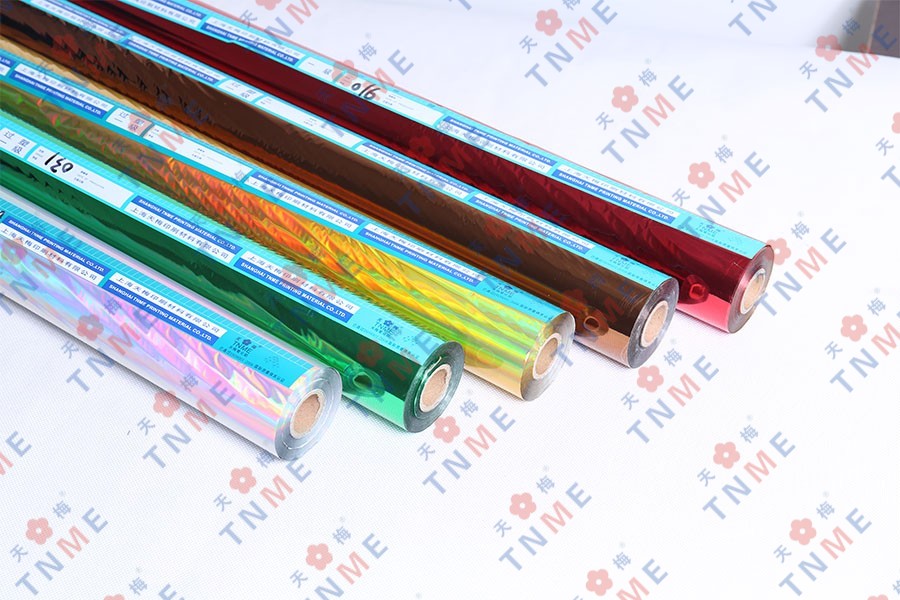
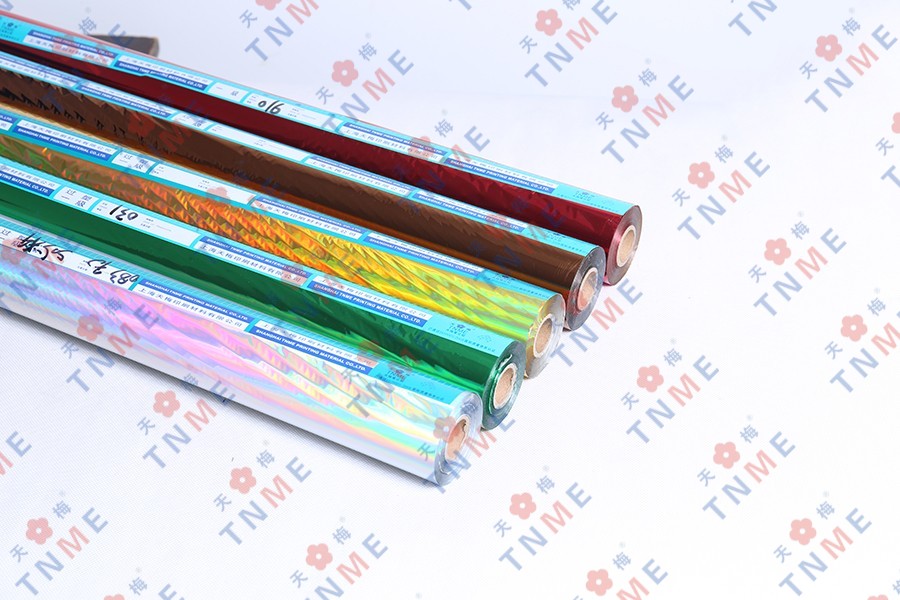
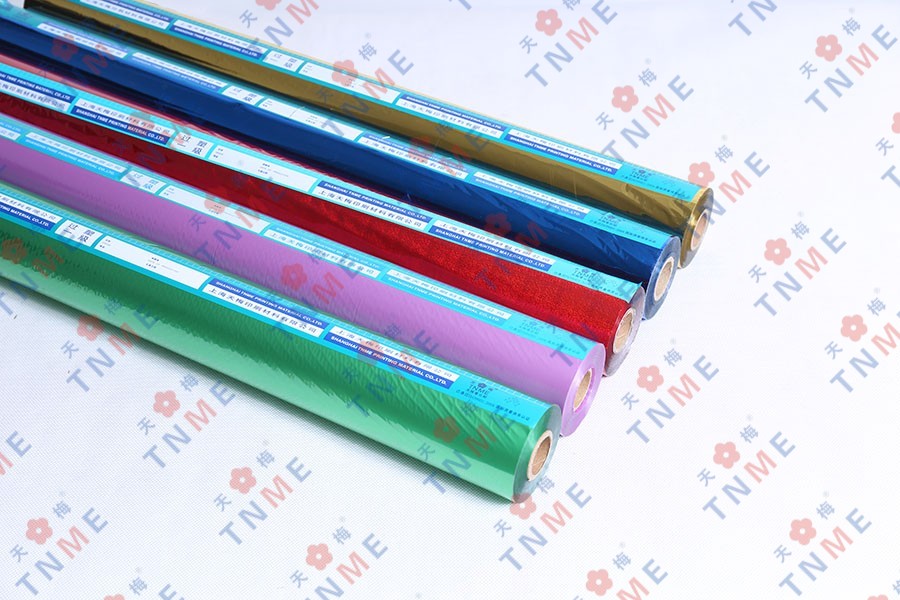
Foil, in the context of industrial and packaging applications, is a thin, flexible sheet material manufactured by rolling or depositing metal, plastic, or composite substances into ultra-thin gauges. The most commonly used industrial foils include aluminum foil, metallized plastic foil, holographic foil, and transfer foil, each designed with unique barrier properties, reflectivity, and aesthetic characteristics. Foil is defined by its thin, sheet-like structure, impermeability to light, moisture, and gases, and its ability to provide decorative or protective surface finishes when applied to various substrates.
Industrial foil products are manufactured through specialized processes to achieve consistent thickness and performance. Aluminum foil, for example, is produced by repeatedly rolling aluminum ingots to thicknesses as low as 0.006 millimeters, while metallized foil is created by vacuum-depositing a thin layer of aluminum onto a polyester (PET) film base. The defining feature of foil materials is their continuous, non-porous structure that delivers exceptional barrier performance, a property that distinguishes it from UV materials and dictates its primary applications in protective and decorative manufacturing.
Understanding these fundamental definitions is critical for B2B buyers and manufacturing professionals, as it directly impacts material selection, production process design, and end-product performance. While both materials are used for surface enhancement and protection, their operating mechanisms, material structures, and core functionalities are fundamentally different. This foundational knowledge ensures that businesses can make informed decisions when specifying materials for their production lines, avoiding costly mismatches between material properties and application requirements.
Material Composition and Structural Differences Between UV Materials and Foil
Chemical Composition of UV Materials
UV materials are complex chemical formulations built on organic polymer systems, with their performance entirely dependent on the precise combination of chemical components. The primary components work synergistically to create a material that cures rapidly under UV light while delivering targeted functional properties for industrial applications.
- Oligomers: The backbone of UV materials, accounting for 50-70% of the total formulation, these are reactive polymer chains that determine core properties such as hardness, flexibility, and adhesion. Common types include epoxy acrylates, urethane acrylates, and polyester acrylates, each offering unique performance profiles for different applications.
- Reactive Monomers: Comprising 20-40% of the formulation, these low-viscosity liquids act as diluents and cross-linking agents, adjusting the material's flow properties and contributing to the final cured film structure. They enable precise control over curing speed and finished material hardness.
- Photoinitiators: Making up 3-8% of the formulation, these compounds are the critical component that absorbs UV light energy and initiates the polymerization reaction, allowing UV materials to cure in 0.1 to 5 seconds under standard industrial UV lamps.
- Functional Additives: Added at 1-5% concentrations, these include stabilizers, pigments, wetting agents, and scratch-resistant modifiers that customize UV materials for specific industrial needs without altering the core curing mechanism.
The chemical structure of cured UV materials forms a dense, cross-linked polymer network that bonds directly to the substrate surface. This network is molecularly integrated with the base material, creating a permanent surface modification rather than a separate applied layer. This structural characteristic defines the performance limits and advantages of UV materials in industrial applications.
Physical Composition and Structure of Foil Materials
Foil materials are defined by their physical structure rather than chemical reactivity, existing as discrete, self-supporting thin films with a layered or homogeneous metallic/plastic composition. Unlike UV materials, foil is a solid material in its final form from the point of manufacture, with no chemical reaction required for it to achieve its functional state.
Standard aluminum foil has a homogeneous metallic structure, composed of 99.0-99.9% pure aluminum formed into a continuous, non-porous sheet. Metallized foil features a composite structure: a 12-50 micron polyester film base coated with a 0.02-0.1 micron thick vacuum-deposited aluminum layer, creating a balance of flexibility and barrier performance. Decorative foils add additional layers including release coatings, protective films, and color layers to enable transfer printing and aesthetic effects.
The structural key of foil is its continuous, impermeable sheet form that operates as a separate layer applied to substrate surfaces. This physical structure provides inherent barrier properties that UV materials cannot match, including complete resistance to light transmission, water vapor penetration, and gas diffusion. The thickness of industrial foil materials typically ranges from 6 microns to 200 microns, with each thickness grade optimized for specific applications such as flexible packaging, thermal insulation, or decorative finishing.
Core Structural Contrasts
The most significant difference between UV materials and foil lies in their relationship with the substrate. UV materials cure and chemically bond to the substrate surface, becoming an integral part of the material with a typical cured thickness of 5-50 microns. Foil, by contrast, is a physically applied layer that adheres to the substrate surface through adhesives or lamination, maintaining its discrete structure with a standard thickness of 12-100 microns for most industrial applications.
This structural difference creates inherent performance tradeoffs: UV materials offer seamless integration and thin-profile surface enhancement, while foil provides independent barrier protection and decorative effects as a separate functional layer. For B2B purchasers, this structural distinction is the primary factor in determining which material aligns with production requirements for product durability, appearance, and functional performance.
Production and Processing Technologies: UV Materials vs. Foil
Manufacturing Processes for UV Materials
The production of UV materials is a precision chemical manufacturing process focused on formulating and blending reactive components to exact specifications. Unlike foil production, it involves no mechanical forming or rolling processes, relying instead on controlled mixing and quality testing to ensure consistent curing performance.
UV material manufacturing begins with raw material purification and pre-blending of oligomers and monomers, followed by the controlled addition of photoinitiators and functional additives. The entire process occurs in low-UV light environments to prevent premature curing, with precise temperature control maintained between 20-25°C to preserve reactivity. After mixing, the formulation undergoes filtration to remove particulate contaminants and quality testing to verify viscosity, curing speed, and adhesion properties.
Industrial application of UV materials requires specialized UV curing equipment, including UV LED lamps or medium-pressure mercury lamps emitting specific wavelengths (typically 365-405 nm). Application methods include roll coating, spray coating, screen printing, and flexographic printing, with the material applied in liquid form and instantly cured upon UV exposure. The entire processing line operates at high speeds, with standard production lines capable of curing UV materials at line speeds exceeding 60 meters per minute.
Key advantages of UV material processing include instant curing, minimal energy consumption compared to thermal drying, and zero solvent emissions. The processing equipment has a small footprint, making it suitable for integration into existing production lines for packaging, printing, woodworking, and plastic manufacturing operations.
Manufacturing and Processing Technologies for Foil
Foil production is a mechanical and metallurgical manufacturing process focused on forming thin, uniform sheets from metal or composite materials. The process varies significantly between aluminum foil and metallized foil, with each requiring specialized industrial equipment and quality control measures.
Aluminum foil manufacturing starts with aluminum ingots heated to 500°C and passed through successive rolling mills, reducing thickness by 30-50% with each pass until reaching the desired gauge. The process includes intermediate annealing treatments to restore ductility, with final foil products wound into large master rolls for slitting to customer-specified widths. Metallized foil production uses vacuum deposition chambers where aluminum is vaporized and condensed onto polyester film bases in a high-vacuum environment, creating a uniform metallic coating without damaging the plastic substrate.
Foil processing applications include lamination, stamping, embossing, and heat sealing, with specialized equipment for converting foil rolls into finished products or applying foil to substrate surfaces. Decorative foil application uses heat transfer machines that activate adhesive layers on the foil, transferring the decorative metallic layer to paper, plastic, or textile surfaces at temperatures between 120-180°C.
Foil processing equipment typically requires larger installation space and higher energy consumption than UV curing systems, with production speeds varying by application from 15 to 50 meters per minute. The primary processing advantage of foil is its versatility in creating metallic finishes and barrier layers without requiring chemical reactions or specialized light sources.
Processing Compatibility and Industrial Implementation
UV materials require minimal substrate preparation and integrate seamlessly with existing printing and coating lines, with the only additional requirement being UV curing units. They are compatible with nearly all rigid and flexible substrates including paper, plastic, wood, metal, and glass, with no need for drying time between application and subsequent processing steps.
Foil application requires substrate surface preparation to ensure adhesion, with compatibility limited primarily to paper, cardboard, and specific plastic films. Foil lamination and transfer processes cannot be instantly cured or dried, requiring cooling or setting time before additional processing can occur. However, foil offers the unique processing advantage of creating metallic effects that cannot be replicated with standard UV material formulations.
For industrial manufacturing facilities, the choice between UV materials and foil processing directly impacts capital investment, production line configuration, and operational efficiency. UV material systems offer lower conversion costs and faster production speeds for surface protection and standard decorative effects, while foil systems provide specialized barrier and premium metallic finishing capabilities.
Core Functional Properties Comparison
| Functional Property | UV Materials | Foil |
| Barrier Performance | Moderate barrier to moisture and scratches; no gas or light barrier | Excellent barrier to light, moisture, gases, and contaminants; 100% light blocking |
| Surface Protection | High scratch, abrasion, and chemical resistance; durable cross-linked surface | Physical protection against damage; surface susceptible to scratching and creasing |
| Optical Properties | Gloss control from matte to high-gloss; transparent or pigmented color options | High metallic reflectivity; mirror-like finish; holographic and iridescent effects |
| Flexibility & Durability | Flexible with substrate; resistant to cracking; maintains performance under bending | Highly flexible but prone to wrinkling; can develop pinholes with extreme flexing |
| Thermal Resistance | Continuous heat resistance up to 120°C; excellent thermal stability | Aluminum foil withstands over 600°C; metallized foil limited to 150°C |
| Adhesion Strength | Chemical bonding to substrate; peel-resistant permanent adhesion | Mechanical/adhesive bonding; can delaminate under stress or poor application |
Barrier Performance Analysis
Barrier performance represents one of the most distinct functional differences between UV materials and foil. Foil provides an impermeable barrier that blocks 100% of light transmission and effectively prevents moisture vapor, oxygen, and other gases from penetrating through to the substrate. This makes foil indispensable for food packaging, pharmaceutical applications, and light-sensitive products where product shelf life extension is critical. Standard aluminum foil offers a water vapor transmission rate (WVTR) of 0 g/m²/day, representing complete protection against moisture penetration.
UV materials offer only moderate barrier properties, primarily focused on surface protection rather than environmental isolation. Cured UV coatings provide effective resistance to surface scratches, chemical spills, and minor moisture exposure but cannot block light or create a complete gas barrier. High-performance UV formulations offer a WVTR of 5-15 g/m²/day, making them suitable for surface protection but not for applications requiring complete environmental isolation.
Surface Protection Capabilities
UV materials excel in surface protection, with their cross-linked polymer structure creating a hard, durable shield that resists abrasion, fading, and chemical damage. Industrial UV coatings can achieve pencil hardness ratings of 2H-4H, providing exceptional scratch resistance for high-traffic surfaces in furniture, flooring, and electronic device applications. The chemical bonding of UV materials to the substrate ensures permanent protection that cannot be worn away or peeled off under normal usage conditions.
Foil provides physical surface protection through its material structure but is inherently susceptible to surface damage. While foil protects substrates from direct contact and light exposure, the thin metallic layer can be easily scratched, dented, or creased, compromising both appearance and barrier performance. Foil's protective qualities are primarily environmental rather than mechanical, making it better suited for passive protection than for surfaces subject to physical wear.
Aesthetic and Functional Versatility
UV materials offer extensive aesthetic versatility through customizable gloss levels, color options, and special effects including pearlescent, fluorescent, and textured finishes. The transparent nature of base UV formulations allows the natural substrate appearance to show through while providing enhanced protection and gloss control. UV materials can be applied in ultra-thin layers that maintain substrate texture and feel without adding significant thickness or weight.
Foil delivers unique metallic, reflective, and holographic aesthetic effects that cannot be replicated with any other coating material. The high reflectivity of foil creates premium visual appeal for luxury packaging, decorative printing, and branding applications, with light reflectance values exceeding 85% for standard aluminum foil. Foil's metallic appearance adds perceived value to products and creates standout shelf appeal in retail environments.
This functional comparison clearly illustrates the complementary nature of UV materials and foil, with each material excelling in different performance areas. The decision to use one material over the other should be based on the specific functional requirements of the end product, with priority given to either surface protection and versatility (UV materials) or barrier performance and metallic aesthetics (foil).
Industrial Application Fields and Usage Scenarios
Primary Applications of UV Materials
UV materials have established dominance in industrial applications requiring fast production speeds, durable surface protection, and environmentally friendly processing. Their solvent-free formulation and instant curing make them the preferred choice for high-volume manufacturing across multiple industries, with applications focused on surface enhancement, printing, and bonding.
In the packaging and printing industry, UV materials account for over 65% of high-performance coating and ink applications, used to create glossy finishes, scratch-resistant labels, and vibrant color printing on paper and plastic packaging. UV curing technology enables printing lines to operate at speeds exceeding 80 meters per minute, with instantly dry surfaces ready for immediate folding, cutting, or shipping without drying time.
The woodworking and furniture industry relies heavily on UV coatings for floor finishes, furniture surfaces, and cabinetry, providing exceptional scratch and chemical resistance with minimal environmental impact. UV-cured wood finishes offer 3-5 times longer service life than traditional lacquers, with production time reduced from hours to minutes due to instant curing.
In plastic and electronic manufacturing, UV materials provide protective coatings for electronic components, automotive parts, and consumer goods, offering durable protection against weathering, UV radiation, and physical damage. UV adhesives provide instant bonding for precision components, with curing on demand allowing for precise positioning before permanent bonding occurs.
Additional key applications for UV materials include:
- Optical fiber and wire coating for electrical insulation
- Glass and ceramic surface strengthening treatments
- Textile fabric functionalization for water resistance and durability
- 3D printing and rapid prototyping materials
- Medical device coatings requiring biocompatibility and sterilization resistance
Primary Applications of Foil Materials
Foil materials dominate applications requiring exceptional barrier properties, thermal management, or premium metallic aesthetics. Their unique combination of impermeability, reflectivity, and formability makes them irreplaceable in specialized industrial sectors where UV materials cannot meet performance requirements.
The food and beverage packaging industry is the largest consumer of foil materials, with aluminum foil used in over 75% of flexible packaging applications for perishable goods. Foil's complete barrier to light, oxygen, and moisture extends the shelf life of food products by 3-10 times longer than non-barrier packaging options, making it essential for coffee, snacks, pharmaceuticals, and frozen food packaging.
In the construction and insulation industry, foil serves as a radiant barrier and vapor retardant, reflecting 97% of radiant heat energy to improve energy efficiency in residential and commercial buildings. Foil insulation materials reduce heating and cooling costs by 20-30% in commercial applications, with the non-porous structure preventing moisture migration and mold growth.
The decorative and printing industry uses specialty foil products to create premium metallic finishes, holographic effects, and luxury branding elements on packaging, labels, and promotional materials. Foil stamping and transfer technologies produce eye-catching metallic effects that enhance product value perception in luxury markets, with applications spanning cosmetics, wine and spirits, and high-end retail packaging.
Additional key applications for foil materials include:
- Electrical shielding and conductive components in electronics
- Battery and energy storage system components
- Heat exchangers and thermal management systems
- Pharmaceutical blister packs and medical packaging
- Automotive heat shields and sound deadening materials
Combined Applications and Material Synergy
In advanced manufacturing applications, UV materials and foil are often used together to create composite products that leverage the strengths of both materials. This combination is particularly prevalent in high-end packaging and industrial components where both exceptional protection and premium aesthetics are required.
The UV materials foil composite system represents an innovative solution that combines UV-cured coatings with foil substrates, creating enhanced performance characteristics for specialized industrial needs. This hybrid approach uses UV materials to protect foil surfaces from scratching and tarnishing while maintaining the barrier and aesthetic properties of the foil base, resulting in durable, high-performance materials for demanding applications.
Understanding these application scenarios and material combinations is essential for B2B buyers responsible for material specification, as it allows for strategic selection of the optimal material or material combination to meet both performance requirements and budget constraints in industrial manufacturing operations.
Performance Metrics and Quality Standards
Key Performance Indicators for UV Materials
UV materials are evaluated against standardized performance metrics that define their suitability for specific industrial applications, with quality control focused on curing efficiency, adhesion strength, and long-term durability. These metrics provide objective benchmarks for material selection and quality assurance in B2B purchasing decisions.
Curing Efficiency is the primary performance metric for UV materials, measured by the required UV energy dose to achieve complete cross-linking. Standard industrial UV materials cure fully at energy levels of 80-300 mJ/cm², with high-speed formulations requiring as little as 50 mJ/cm² for instant curing. Incomplete curing results in tacky surfaces, reduced durability, and potential adhesion failure, making this metric critical for production consistency.
Adhesion Strength is measured using cross-hatch testing and peel adhesion tests, with premium UV materials achieving 5B adhesion ratings (no coating removal) on standard substrates. Adhesion performance directly impacts service life, with proper substrate preparation and UV material selection ensuring permanent bonding that withstands environmental stressors.
Abrasion Resistance is quantified using Taber abrasion testing, with industrial-grade UV materials typically showing less than 50 mg weight loss after 1000 abrasion cycles under 500g load. This metric determines suitability for high-wear applications such as flooring, furniture, and industrial components subject to continuous use.
Additional critical performance metrics for UV materials include:
- Chemical resistance: Rating for resistance to solvents, acids, and household chemicals
- Weatherability: Performance retention after accelerated UV exposure testing (QUV testing)
- Gloss retention: Maintenance of surface finish after environmental exposure
- Flexibility: Ability to withstand substrate bending without cracking or delamination
Key Performance Indicators for Foil Materials
Foil materials are evaluated based on physical properties that define their barrier performance, formability, and structural integrity, with quality standards focused on thickness uniformity, pinhole resistance, and mechanical strength. These metrics are particularly critical for barrier and packaging applications where material failure could compromise product protection.
Thickness Uniformity is a foundational quality metric, with industrial foil requiring thickness variation of less than ±5% across the entire sheet width. Consistent thickness ensures uniform barrier performance and predictable processing characteristics during converting, lamination, and stamping operations.
Pinhole Resistance is critical for barrier applications, with premium foil materials required to have zero pinholes larger than 0.1mm in standard test samples. Pinholes compromise the impermeable structure of foil, allowing light, moisture, and gases to penetrate and reducing barrier effectiveness by up to 100% in affected areas.
Barrier Efficiency is measured by water vapor transmission rate (WVTR) and gas permeability testing, with standard aluminum foil achieving 0 g/m²/day WVTR, representing complete moisture barrier performance. Metallized foils typically offer WVTR values of 0.1-0.5 g/m²/day, providing exceptional barrier performance while maintaining flexibility.
Additional critical performance metrics for foil materials include:
- Tensile strength: Resistance to breaking during processing and application
- Formability: Ability to be embossed, stamped, or formed without cracking
- Heat resistance: Temperature stability during processing and end-use applications
- Adhesion compatibility: Performance with standard laminating adhesives and processes
International Quality Standards and Compliance
Both UV materials and foil must comply with international quality and safety standards for industrial applications, with specific regulations governing food contact, environmental impact, and workplace safety. Compliance with these standards is a critical consideration for B2B buyers, ensuring materials meet regulatory requirements for global distribution.
UV materials must comply with ISO 14801 for adhesives, ISO 2812 for coating resistance, and food contact regulations including FDA 21 CFR and EU Regulation 10/2011 for food packaging applications. Environmental compliance includes low VOC standards and RoHS compliance for electronic applications, restricting hazardous substances in material formulations.
Foil materials adhere to ISO 12333 for aluminum foil specifications, ASTM B479 for metallized foil standards, and similar food contact regulations for packaging applications. Food-grade foil requires 99%+ aluminum purity with no harmful coatings or additives, ensuring safety for direct food contact applications.
Understanding these performance metrics and compliance standards enables B2B purchasers to make data-driven material selection decisions, ensuring that chosen materials meet both performance requirements and regulatory compliance for their specific industrial applications.
Cost Analysis and Economic Considerations for B2B Buyers
Material Cost Structure Comparison
Cost analysis is a critical factor for B2B buyers selecting between UV materials and foil, with total cost of ownership encompassing material purchase price, processing costs, waste rates, and long-term service life. The economic profiles of these materials differ significantly, with each offering distinct cost advantages based on application requirements.
UV materials typically have a higher per-kilogram material cost than standard foil, with industrial-grade UV coatings priced at $8-25 per kilogram depending on formulation complexity. However, UV materials are applied in extremely thin layers (5-50 microns), resulting in low cost per square meter of coverage, typically $0.50-3.00 per square meter for finished coated surfaces.
Foil materials have a lower per-kilogram raw material cost, with standard aluminum foil priced at $3-8 per kilogram, but require application in thicker layers (12-100 microns), resulting in coverage costs of $1.00-4.00 per square meter. Specialty decorative foils have significantly higher costs, ranging from $15-40 per kilogram due to specialized coatings and manufacturing processes.
The material cost comparison shows relatively close coverage costs between standard UV materials and foil for most applications, with UV materials having a slight cost advantage for thin-layer applications and foil offering better economy for thick barrier applications. The most significant cost differences emerge in processing and operational expenses rather than raw material costs.
Processing and Operational Costs
Processing costs represent a major economic differentiator between UV materials and foil, with UV materials offering substantial operational cost savings through energy efficiency, reduced labor requirements, and higher production speeds.
UV material processing requires minimal energy consumption, with UV LED curing systems using 70-80% less energy than thermal drying systems and foil processing equipment. The instant curing nature of UV materials eliminates production downtime for drying, enabling 30-50% higher production throughput compared to foil application processes, directly reducing labor cost per unit produced.
UV material systems have lower maintenance costs, with minimal equipment wear and no requirement for heating elements or complex temperature control systems. Waste rates are typically 1-3% for UV material applications, as the instant curing prevents defects during processing and allows for immediate quality inspection and correction.
Foil processing involves higher energy consumption for heating, laminating, and stamping equipment, with slower production speeds increasing labor costs per unit. Foil is more susceptible to processing damage, with typical waste rates of 5-8% due to wrinkling, tearing, or registration errors during application. The specialized equipment required for foil processing also has higher maintenance costs and longer setup times between production runs.
Total Cost of Ownership and ROI Analysis
Total cost of ownership analysis considers initial equipment investment, material costs, operational expenses, and service life to determine the long-term economic value of each material option. This comprehensive view is essential for B2B buyers making strategic material specification decisions.
UV material systems require lower initial capital investment, with UV curing units costing 40-60% less than foil application equipment. The faster production speeds and lower operational costs typically result in full return on investment within 12-24 months for high-volume production facilities.
Foil systems require higher initial investment but deliver specialized performance benefits that justify the cost for premium applications. The extended product shelf life and enhanced perceived value provided by foil packaging often result in higher market pricing capability, offsetting the increased production costs.
For B2B purchasers, the economic decision should balance immediate material costs with long-term operational efficiency and product value. UV materials provide the optimal economic solution for high-volume, cost-sensitive applications requiring durable surface protection, while foil delivers superior economic returns for premium products requiring barrier protection or luxury metallic aesthetics.
Environmental Impact and Sustainability Profiles
Environmental Characteristics of UV Materials
UV materials are recognized as environmentally preferred industrial materials due to their solvent-free formulation, energy-efficient processing, and minimal waste generation. The sustainable profile of UV materials aligns with global environmental regulations and corporate sustainability initiatives, making them a strategic choice for environmentally conscious manufacturing operations.
The most significant environmental advantage of UV materials is their 100% solvent-free composition, eliminating volatile organic compound (VOC) emissions during production and application. Traditional coating and ink systems release 30-60% of their volume as VOC emissions during drying, while UV materials convert virtually 100% of their volume to solid cured film, creating zero harmful emissions during the curing process.
UV curing technology uses 70-85% less energy than thermal drying processes, reducing carbon footprints and energy-related environmental impact. The instant curing process eliminates production waste from improperly dried materials, with defect rates typically 50-70% lower than traditional coating systems, further reducing material waste and environmental burden.
UV materials contribute to product sustainability by extending service life, with UV-protected surfaces lasting 2-5 times longer than unprotected or traditionally coated materials. This increased durability reduces replacement frequency and material consumption over the product lifecycle, supporting circular economy principles in manufacturing.
Environmental Characteristics of Foil Materials
Foil materials have a mixed environmental profile, with significant sustainability advantages in barrier performance and recyclability balanced by higher energy consumption during manufacturing. The environmental impact of foil varies significantly between aluminum foil and metallized foil options, with different sustainability considerations for each material type.
Aluminum foil offers exceptional sustainability through its infinite recyclability, with 100% recyclability without quality degradation and recycled aluminum requiring only 5% of the energy needed for primary production. Over 70% of all aluminum ever produced remains in use today, demonstrating the exceptional circular economy potential of aluminum foil materials.
The primary environmental benefit of foil is its exceptional barrier performance, which significantly reduces food waste and product spoilage. Foil packaging extends product shelf life by 300-1000% compared to non-barrier packaging, preventing the environmental impact of wasted food, pharmaceuticals, and consumer goods throughout the supply chain.
Metallized foil has more limited recyclability due to its composite plastic-metal structure, but offers material efficiency through ultra-thin metallic layers that use 90-95% less metal than solid aluminum foil. This material efficiency reduces raw material consumption while maintaining most of the barrier performance of thicker aluminum foil.
Sustainability Comparison and Regulatory Compliance
Both UV materials and foil offer distinct environmental advantages that align with different aspects of sustainable manufacturing. UV materials excel in production-phase sustainability with zero emissions and energy efficiency, while foil provides lifecycle environmental benefits through waste reduction and recyclability.
UV materials comply with the strictest global environmental regulations including VOC restrictions, REACH registration, and RoHS compliance for hazardous substance control. The absence of solvents and toxic components makes UV materials suitable for closed manufacturing environments with minimal ventilation requirements.
Foil materials comply with food contact safety standards and recycling regulations globally, with aluminum foil being universally accepted in recycling programs. The environmental impact of foil can be further reduced by using recycled aluminum content, with post-consumer recycled content levels reaching 80%+ in industrial foil applications.
For B2B buyers, the environmental profile of materials has become an increasingly important purchasing factor, aligning with corporate sustainability goals and customer demand for eco-friendly products. The choice between UV materials and foil should consider both production-phase environmental impact and end-of-life sustainability characteristics to support comprehensive environmental responsibility.
Frequently Asked Questions (FAQ)
Q1: What is the primary functional difference between UV materials and foil?
UV materials are reactive coatings that cure under UV light to provide surface protection and enhancement, while foil is a thin sheet material offering barrier properties and metallic decorative effects.
Q2: Can UV materials replace foil in packaging applications?
UV materials cannot fully replace foil in applications requiring complete light/moisture barrier properties, but can replace foil in decorative surface coating applications with lower barrier requirements.
Q3: Which material offers better scratch resistance for industrial surfaces?
UV materials provide superior scratch and abrasion resistance with 2H-4H pencil hardness ratings, outperforming foil which is susceptible to physical damage.
Q4: Are UV materials more environmentally friendly than foil?
UV materials offer production-phase environmental benefits with zero emissions, while aluminum foil provides lifecycle benefits through complete recyclability and waste reduction.
Q5: What production speed differences exist between UV materials and foil processing?
UV materials enable production speeds of 60-80 meters per minute with instant curing, while foil processing typically operates at 15-50 meters per minute requiring heating/cooling cycles.
Q6: Can UV materials and foil be used together in manufacturing?
Yes, UV materials can be applied over foil to enhance durability and scratch resistance, creating composite materials that leverage the benefits of both substances.
Q7: Which material is more cost-effective for high-volume industrial coating?
UV materials offer better cost-effectiveness for high-volume surface coating due to lower operational costs, higher throughput, and reduced waste rates.
Q8: What thickness ranges are typical for UV materials and foil?
Cured UV materials measure 5-50 microns thick, while industrial foil ranges from 12-100 microns thick depending on the specific application requirements.
Q9: Are both materials safe for food contact applications?
Yes, food-grade UV materials and aluminum foil both comply with global food contact regulations and are safe for direct and indirect food packaging applications.
Q10: How do the storage requirements differ between UV materials and foil?
UV materials require protection from UV light during storage, while foil requires protection from moisture and physical damage to maintain barrier and aesthetic properties.