

 English
 中文简体
中文简体
What is the role of foil without glue in barrier packaging?
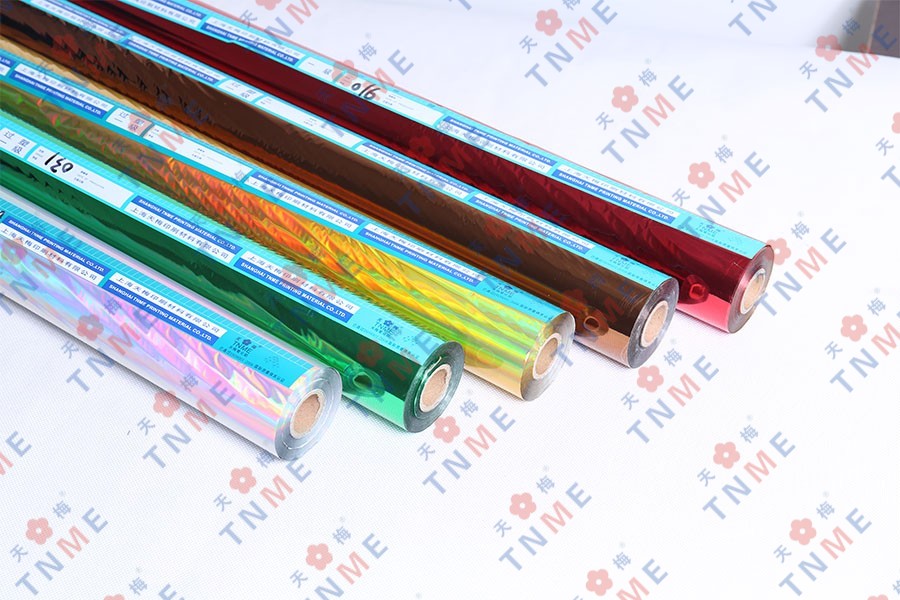
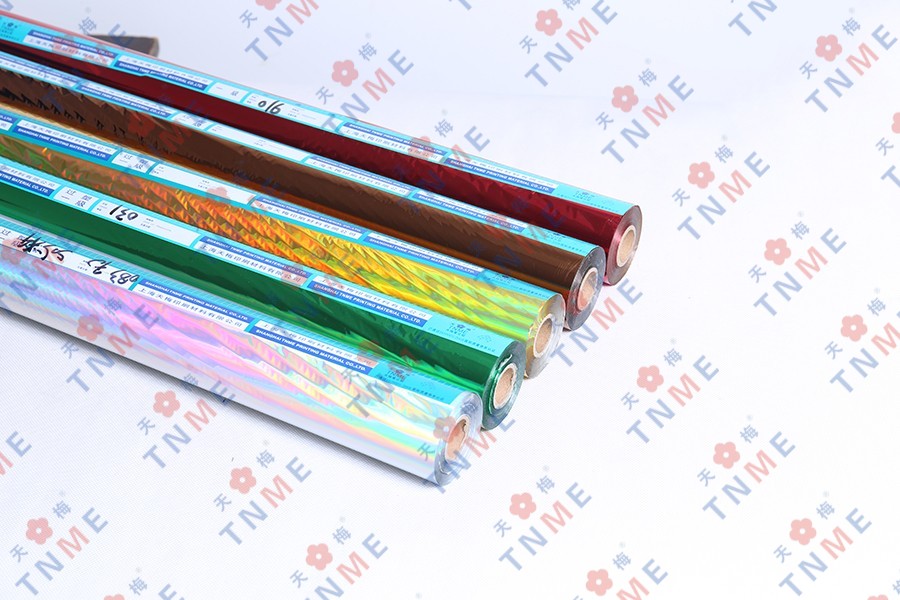
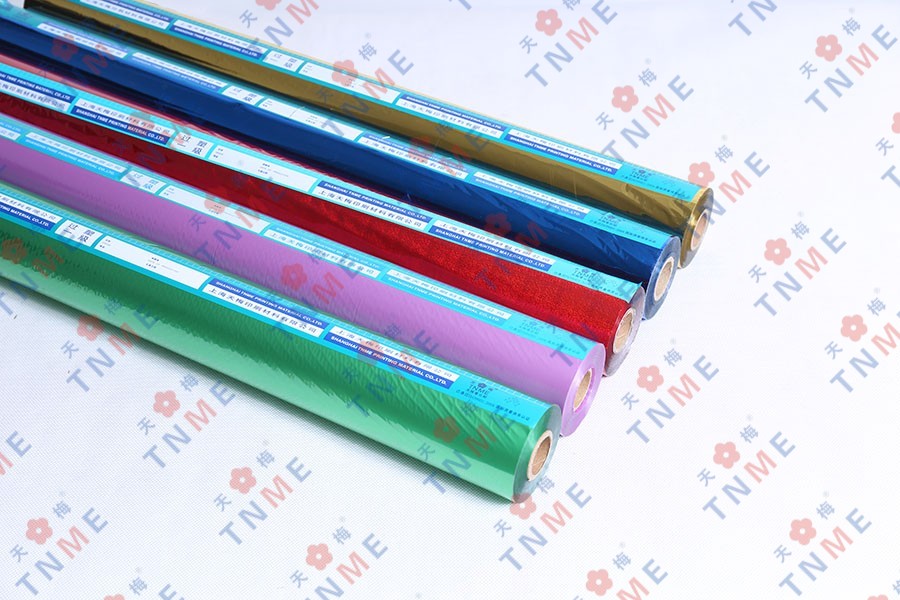
Foil without glue has emerged as a critical component in modern barrier packaging, serving as a versatile material that provides protection against environmental factors while maintaining product integrity. Unlike traditional adhesive-backed foils, foil without glue eliminates the need for additional bonding layers, offering a simpler and often more sustainable solution for packaging applications. In the context of food, pharmaceuticals, electronics, and other sensitive products, foil without glue plays an essential role in extending shelf life, maintaining freshness, and ensuring product safety.
Material composition and properties of foil without glue
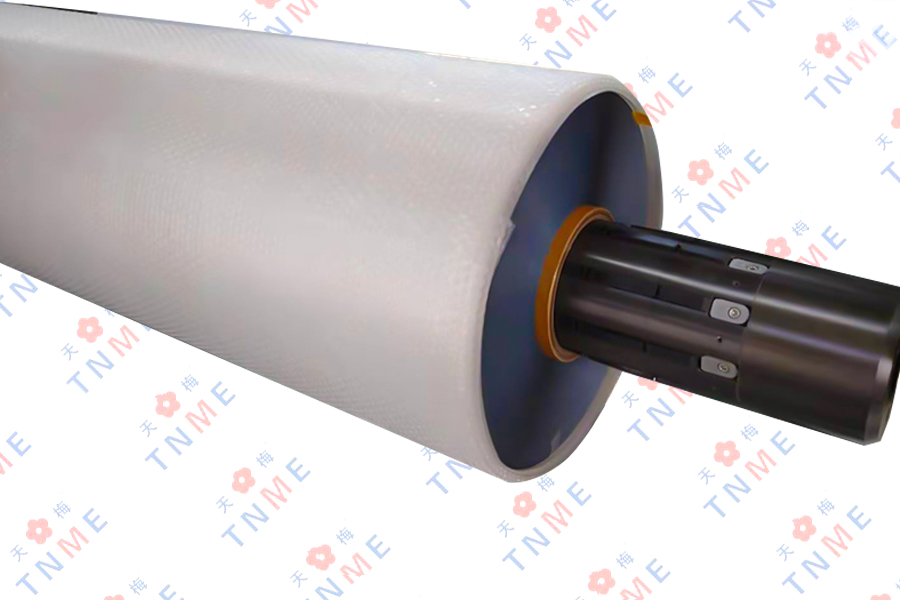
Foil without glue is typically manufactured from metal foils, including aluminum, combined with polymeric layers such as PET, PP, or PE. These multilayer structures enhance the mechanical strength, thermal stability, and barrier performance of the foil without requiring adhesives. The absence of glue reduces the risk of chemical interactions between the packaging material and the product.
Table 1: Typical material composition and properties of foil without glue
| Layer Type | Material Examples | Function in Barrier Packaging |
|---|---|---|
| Metal Layer | Aluminum | Provides oxygen and light barrier |
| Polymer Layer | PET, PP, PE | Enhances flexibility and moisture resistance |
| Surface Finish | Matte or glossy | Supports printability and aesthetic appeal |
| Thickness Range | 10–50 μm | Balances barrier efficiency and flexibility |
The combination of these layers results in a material that can resist environmental stressors, including moisture, oxygen, UV light, and temperature fluctuations. The mechanical durability and dimensional stability of foil without glue make it suitable for high-speed packaging lines and complex forming processes.
Functional role in barrier packaging
The primary function of foil without glue in barrier packaging is to serve as a physical and chemical barrier, preventing the ingress of oxygen, moisture, and other contaminants. In the food industry, this translates to longer product shelf life, retention of aroma, and maintenance of nutritional quality. In pharmaceuticals, foil without glue helps protect sensitive compounds from degradation caused by light or humidity.
Another critical aspect is its role in tamper evidence and product integrity. Because foil without glue can be incorporated into multi-layered structures, it enhances the resistance of packaging to punctures and mechanical stress, ensuring that the product remains intact throughout transport and storage.
Barrier properties and performance
The effectiveness of foil without glue is largely determined by its barrier properties, including:
- Oxygen transmission rate (OTR): Lower OTR values indicate better protection against oxidation.
- Moisture vapor transmission rate (MVTR): Low MVTR values prevent moisture-induced spoilage.
- Light barrier: Metallic layers, particularly aluminum, block UV and visible light.
Table 2: Comparative barrier properties of common foil without glue structures
| Foil Structure | OTR (cc/m²/day) | MVTR (g/m²/day) | Light Transmission (%) |
|---|---|---|---|
| Aluminum/PET/PE (25 μm) | <0.5 | 0.2 | 0 |
| Aluminum/PP (20 μm) | 1.0 | 0.3 | 0 |
| Aluminum/PET/PP/PE (30 μm) | <0.3 | 0.1 | 0 |
These properties illustrate how foil without glue can achieve high barrier performance without requiring adhesive layers, providing both functional and environmental benefits.
Advantages of using foil without glue in packaging
- Simplified manufacturing process: The absence of adhesive reduces the complexity of lamination and bonding processes.
- Enhanced chemical safety: There is no risk of adhesive migration into food or pharmaceuticals.
- Improved recyclability: Foil without glue can be more easily separated and recycled compared to multi-adhesive laminates.
- High barrier efficiency: Metallic layers provide excellent resistance to oxygen, moisture, and light.
- Compatibility with thermal forming: The absence of glue allows the foil to conform to molds without compromising barrier performance.
Applications across industries
Foil without glue finds applications in diverse sectors, reflecting its versatility:
- Food packaging: For snacks, confectionery, coffee, dairy, and ready-to-eat meals. It preserves freshness, prevents oxidation, and protects flavor compounds.
- Pharmaceutical packaging: Used in blister packs, sachets, and protective pouches to maintain drug stability and potency.
- Electronics packaging: Shields sensitive electronic components from moisture and electrostatic discharge.
- Cosmetic and personal care packaging: Prevents product contamination and extends shelf life.
The ability of foil without glue to form hermetic seals in flexible and rigid packages enhances its adoption across these industries.
Manufacturing considerations
When integrating foil without glue into packaging lines, manufacturers must consider:
- Layer compatibility: Ensuring that metallic and polymeric layers bond effectively without adhesives.
- Thermal processing: Optimizing heat sealing parameters for laminate films.
- Forming methods: Adapting to vacuum forming, thermoforming, or pouch-making equipment.
- Printing and coating: Achieving consistent print adhesion without the use of adhesives.
Proper handling and processing techniques ensure that foil without glue maintains its barrier properties and mechanical integrity.
Limitations and challenges
While foil without glue offers numerous advantages, certain challenges must be addressed:
- Limited flexibility in some structures: Extremely thin foils may be prone to wrinkling or tearing during processing.
- Cost considerations: High-quality metallic layers may increase raw material costs compared to simple adhesive laminates.
- Barrier optimization: Achieving ultra-low OTR and MVTR may require multi-layer structures, complicating design.
Despite these challenges, advances in material science and lamination techniques continue to expand the capabilities of foil without glue.
Environmental and sustainability aspects
Foil without glue contributes to sustainable packaging solutions in multiple ways:
- Reduced adhesive use: Minimizes chemical inputs and facilitates recycling.
- Lightweight structures: Lower material consumption compared to rigid packaging alternatives.
- Energy-efficient production: Simplified lamination reduces processing energy.
Many companies are exploring the use of bio-based polymers in combination with aluminum foil to create fully recyclable or compostable barrier films.
Future trends in foil without glue barrier packaging
Emerging trends highlight the ongoing innovation in foil without glue technology:
- Multi-functional layers: Incorporating antimicrobial, oxygen-scavenging, or active barrier layers.
- Flexible electronics integration: Packaging for sensors or RFID tags using foil without glue layers.
- Advanced printing technologies: Enabling high-quality graphics without compromising barrier performance.
- Sustainable material adoption: Increased use of recyclable polymers and thinner metallic layers to reduce environmental impact.
These developments underscore the evolving role of foil without glue in creating advanced, functional, and environmentally responsible packaging solutions.
Conclusion
In summary, foil without glue plays a pivotal role in barrier packaging by providing high-performance protection against moisture, oxygen, and light, while maintaining product integrity and extending shelf life. Its applications span multiple industries, from food and pharmaceuticals to electronics and personal care, demonstrating its versatility and functional importance. By eliminating adhesive layers, foil without glue simplifies production processes, enhances recyclability, and supports sustainable packaging initiatives. Continued innovation in material design, multi-layer laminates, and sustainable practices will further solidify the role of foil without glue in modern barrier packaging solutions.
FAQ
Q1: Can foil without glue be used in high-speed packaging lines?
Yes, foil without glue is compatible with high-speed filling, forming, and sealing equipment due to its mechanical strength and dimensional stability.
Q2: How does foil without glue enhance product shelf life?
By providing an effective barrier against oxygen, moisture, and light, foil without glue reduces spoilage, oxidation, and chemical degradation of products.
Q3: Is foil without glue recyclable?
Yes, foil without glue is generally easier to recycle than multi-layer adhesive laminates because it eliminates non-metallic bonding agents.
Q4: Can foil without glue be printed on directly?
Yes, many foil without glue structures support printing and coating processes without requiring additional adhesives, though surface preparation may be needed.
Q5: What are the main limitations of foil without glue?
Limitations include potential flexibility constraints, higher raw material costs, and the need for multi-layer designs to achieve ultra-high barrier performance.
References
- Robertson, G. L. (2016). Food Packaging: Principles and Practice. CRC Press.
- Yam, K. L. (2019). Encyclopedia of Packaging Technology. Springer.
- Marsh, K., & Bugusu, B. (2007). Food packaging—roles, materials, and environmental issues. Journal of Food Science, 72(3), R39-R55.