

 English
 中文简体
中文简体
What machinery is required for heat transfer or cold foil applications of over printed foil?
Over printed foil has become an essential material in modern packaging, labeling, and decorative applications due to its ability to create high-quality metallic, holographic, and pearlescent effects. Achieving consistent and durable results with over printed foil requires precise machinery for both heat transfer and cold foil applications.
Understanding over printed foil applications
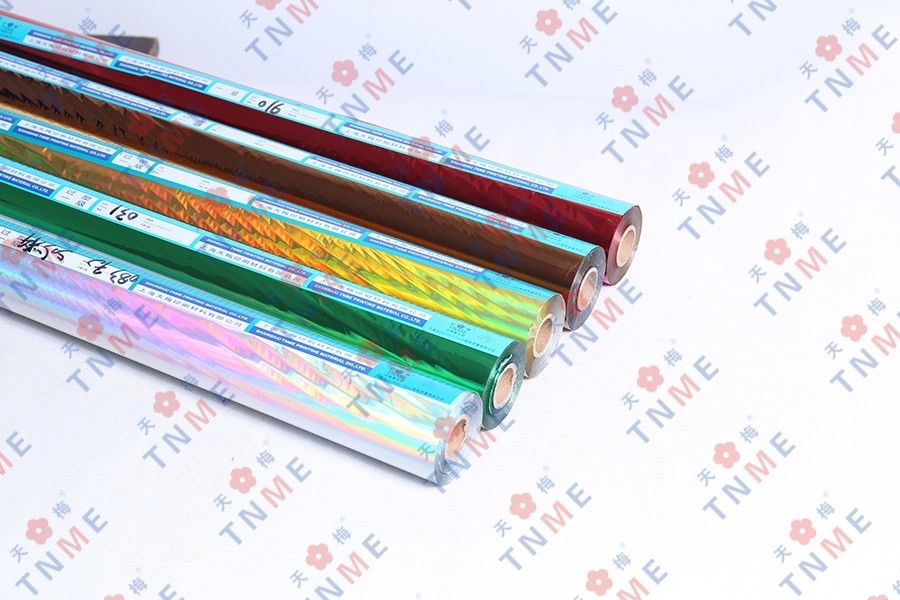
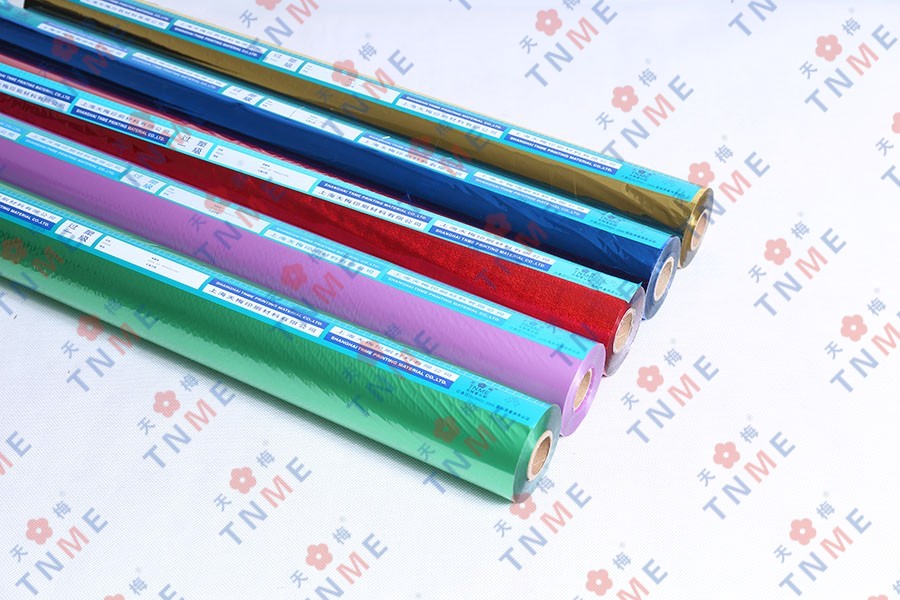
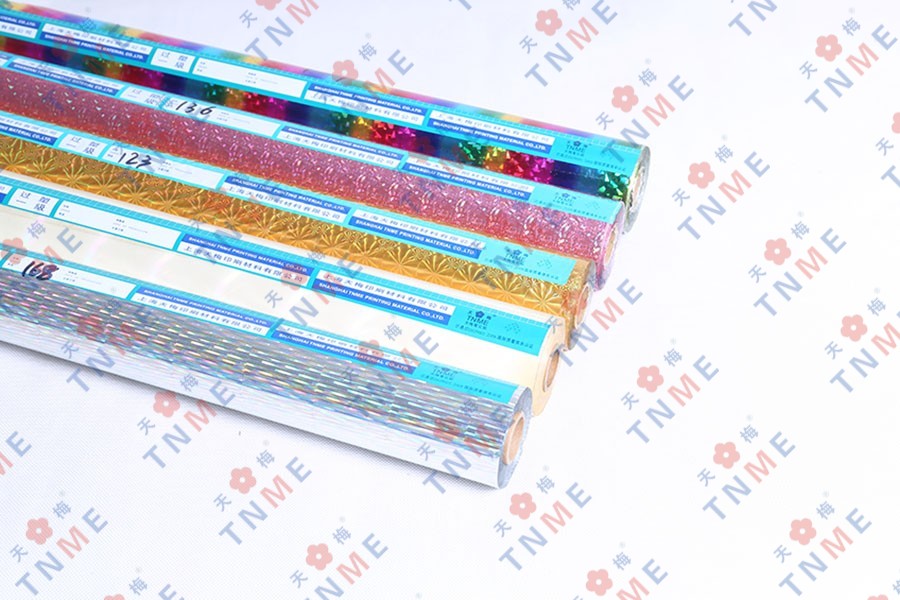
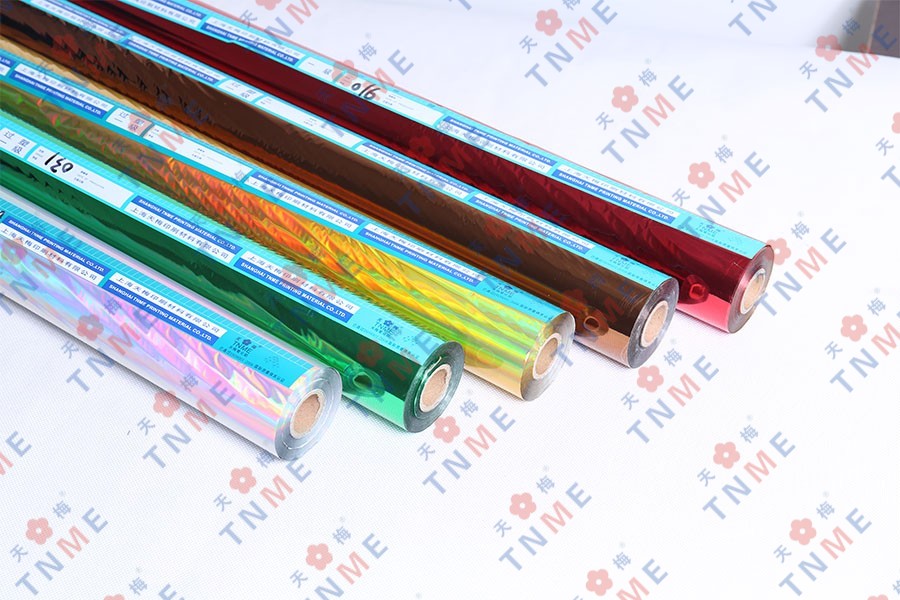
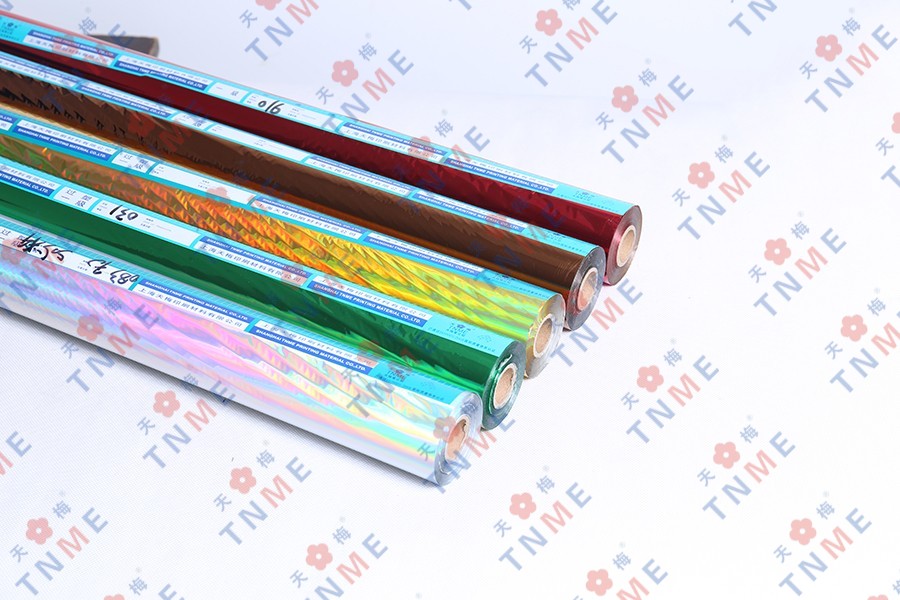
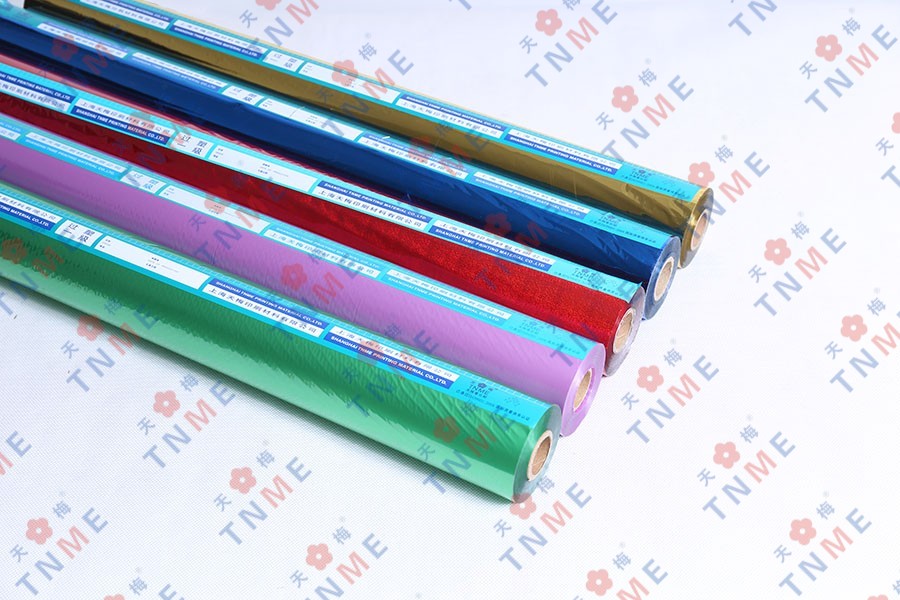
Over printed foil is a specialized decorative material that combines metallic or holographic layers with printed designs. It is commonly applied to paper, cardboard, films, and synthetic substrates to enhance aesthetics, brand visibility, and perceived product value. Two primary application methods are used: heat transfer (also known as hot stamping) and cold foil transfer. Each method has specific machinery requirements and operational considerations. Understanding the differences between these methods is crucial for selecting the right equipment.
Heat transfer applications rely on thermal energy and pressure to transfer foil from a carrier to a substrate. Cold foil applications, on the other hand, utilize adhesive-based processes and UV curing technologies to bond foil onto surfaces. Both methods demand specialized machinery to ensure high adhesion, precision alignment, and minimal waste.
Key machinery for heat transfer applications
Heat transfer machinery for over printed foil can vary based on production volume, substrate type, and the complexity of the printed design. The following equipment types are commonly employed:
1. Hot stamping machines
Hot stamping machines are central to heat transfer applications. They apply heat, pressure, and time to transfer over printed foil from a carrier onto the substrate. Important features of these machines include:
- Temperature control systems to maintain consistent heat levels across the stamping surface.
- Adjustable pressure settings to accommodate different foil thicknesses and substrate types.
- Die alignment systems that ensure precise placement of the foil design.
Hot stamping machines are available in manual, semi-automatic, and fully automatic configurations, allowing manufacturers to choose based on production scale and complexity. Large-scale packaging operations often rely on fully automated machines integrated into production lines for higher efficiency and reduced labor costs.
2. Embossing and engraving units
Many over printed foil applications incorporate embossed or engraved designs to create tactile effects. These units can be combined with hot stamping machines to provide dimensional depth and texture. Embossing units are designed to maintain consistent heat and pressure while preventing substrate deformation.
3. Laser engraving and die cutting equipment
Laser engraving systems can create custom dies for heat transfer applications, allowing for intricate and precise patterns on over printed foil. Die cutting machines are used to cut substrates post-foil transfer with high accuracy, ensuring a clean edge and preventing damage to the foil surface.
4. Feeding and alignment systems
Consistent substrate feeding and alignment are critical for high-quality results in heat transfer applications. Feeding systems ensure that sheets or rolls are accurately positioned under the stamping die, reducing misalignment and minimizing waste. Optical sensors and automated registration systems are commonly employed to improve precision.
Key machinery for cold foil applications
Cold foil processes differ significantly from heat transfer techniques. They involve UV-curable adhesives and high-speed printing presses, which allow foil to be applied at high production speeds, especially for flexible packaging and label manufacturing. Machinery for cold foil applications includes:
1. Cold foil printing units
Cold foil printing units are typically integrated into flexographic, gravure, or offset printing presses. These units apply adhesive in the desired pattern onto the substrate, after which the over printed foil is laminated under pressure. Key features include:
- Precision adhesive applicators to ensure even coverage.
- Registration systems to align the foil with pre-printed designs.
- In-line UV curing systems to instantly cure the adhesive and secure the foil.
High-speed cold foil presses can produce continuous roll-to-roll applications, making them suitable for large-volume label and packaging production.
2. UV curing systems
UV curing is essential in cold foil processes to rapidly solidify adhesives, ensuring strong adhesion of the foil to the substrate. UV curing systems can be integrated into printing presses or installed as separate units. The wavelength, intensity, and exposure time must be carefully controlled to prevent damage to the substrate and maintain consistent foil quality.
3. Web handling and tension control systems
Cold foil applications often involve flexible substrates in roll form, requiring advanced web handling machinery. Tension control systems prevent wrinkles, stretching, or misalignment during foil application. These systems are crucial for maintaining the visual quality of over printed foil, especially on long production runs.
4. Inspection and quality control units
Automated inspection systems monitor foil coverage, color consistency, and registration during cold foil application. Cameras and sensors detect defects such as misaligned designs, incomplete adhesion, or surface scratches. Integration of quality control units reduces waste and ensures that finished products meet customer specifications.
Considerations for choosing machinery
Selecting the appropriate machinery for over printed foil applications depends on several factors:
- Substrate compatibility: Paper, cardboard, plastic films, and specialty substrates require different heating, pressure, and adhesive settings.
- Production volume: High-volume packaging lines often favor cold foil applications due to their speed and automation potential, while heat transfer is more suitable for short runs and premium designs.
- Design complexity: Intricate patterns and multi-layer foils may require laser-engraved dies, embossing units, or multi-pass presses.
- Operational flexibility: Machines with adjustable settings allow manufacturers to handle diverse substrates and foil types without downtime for reconfiguration.
A careful evaluation of these factors ensures that over printed foil is applied efficiently, consistently, and with the desired visual effect.
Integration with post-production processes
Over printed foil applications often require additional post-production processes such as laminating, varnishing, or die cutting. Machinery must be compatible with these steps to maintain dimensional stability, adhesion, and visual integrity. For example, laminators and varnish units should be designed to avoid excessive heat or pressure that might damage the foil.
Inspection and packaging machinery can also be integrated into the production line to automate quality checks, sorting, and packaging, further increasing efficiency and reducing manual labor.
Maintenance and operational best practices
Proper maintenance and operational protocols are essential to preserve machinery performance and ensure consistent over printed foil quality. Key best practices include:
- Regular calibration of temperature, pressure, and tension systems.
- Routine cleaning of dies, rollers, and adhesive applicators to prevent contamination and buildup.
- Inspection and replacement of UV lamps and curing units to maintain consistent adhesive curing.
- Training operators in substrate handling, foil alignment, and troubleshooting procedures.
Adherence to maintenance schedules and operational standards reduces machine downtime and ensures reliable, high-quality output.
Advantages of optimized machinery use
Investing in the right machinery and configuring it for heat transfer or cold foil applications offers several benefits:
- Consistent quality: Precise temperature, pressure, and adhesive control result in uniform foil adhesion and visual appeal.
- Higher production efficiency: Automated feeding, alignment, and curing systems reduce downtime and increase throughput.
- Reduced waste: Accurate registration and inspection systems minimize material loss and defective products.
- Versatility: Adjustable settings allow manufacturers to apply over printed foil across diverse substrates and designs.
By selecting and maintaining machinery correctly, manufacturers can maximize the value and visual impact of over printed foil while meeting production demands and customer expectations.
Summary table of key machinery for over printed foil applications
| Application Type | Key Machinery Components | Purpose / Function |
|---|---|---|
| Heat Transfer | Hot stamping machines, embossing units, laser dies, feeding systems | Apply heat and pressure to transfer foil with precision |
| Cold Foil | Cold foil printing units, UV curing systems, web handling, inspection units | Adhesive-based transfer with high-speed production |
Conclusion
The successful application of over printed foil depends on selecting and configuring the appropriate machinery for either heat transfer or cold foil processes. Hot stamping machines, embossing units, laser dies, and feeding systems are central to heat transfer, while cold foil presses, UV curing units, and web handling systems are essential for cold foil applications.
By understanding the requirements of each method, integrating complementary post-production equipment, and following operational best practices, manufacturers can achieve consistent quality, high efficiency, and visually appealing over printed foil finishes. Proper machinery selection and maintenance are therefore critical to leveraging the full potential of over printed foil in packaging, labeling, and decorative industries.