

 English
 中文简体
中文简体
What type of adhesive is best for foil stamping on PU vs. PVC leather?
Fundamentals of Foil Stamping on Artificial Leather
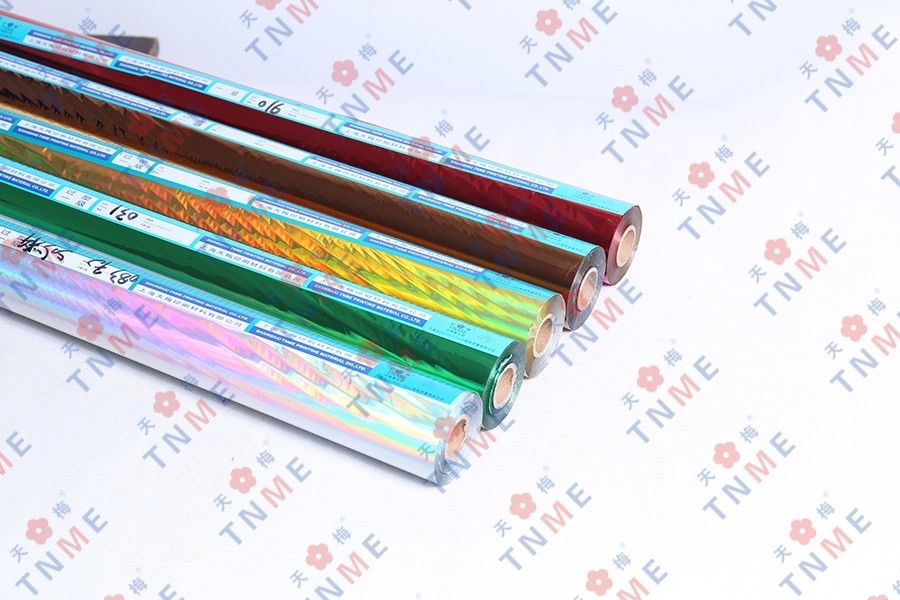
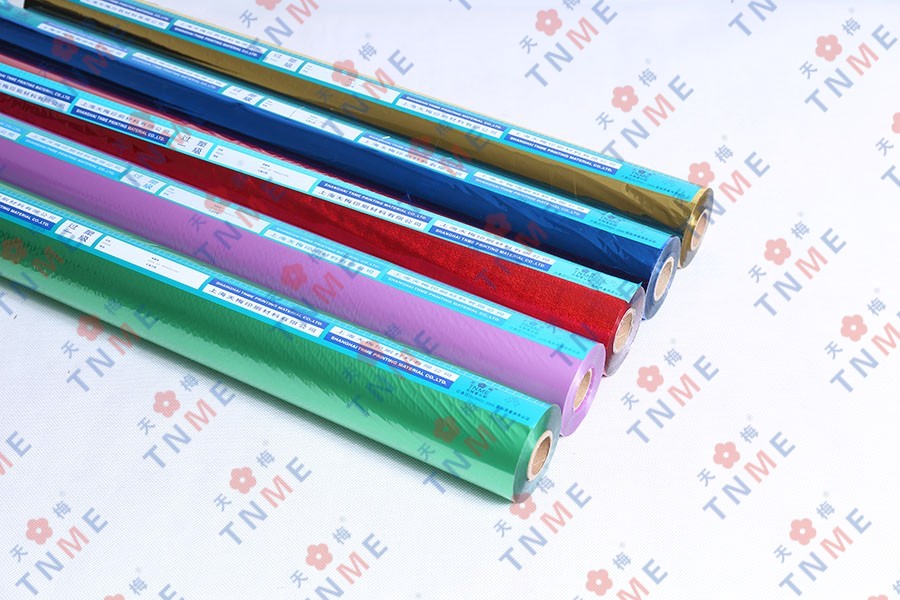
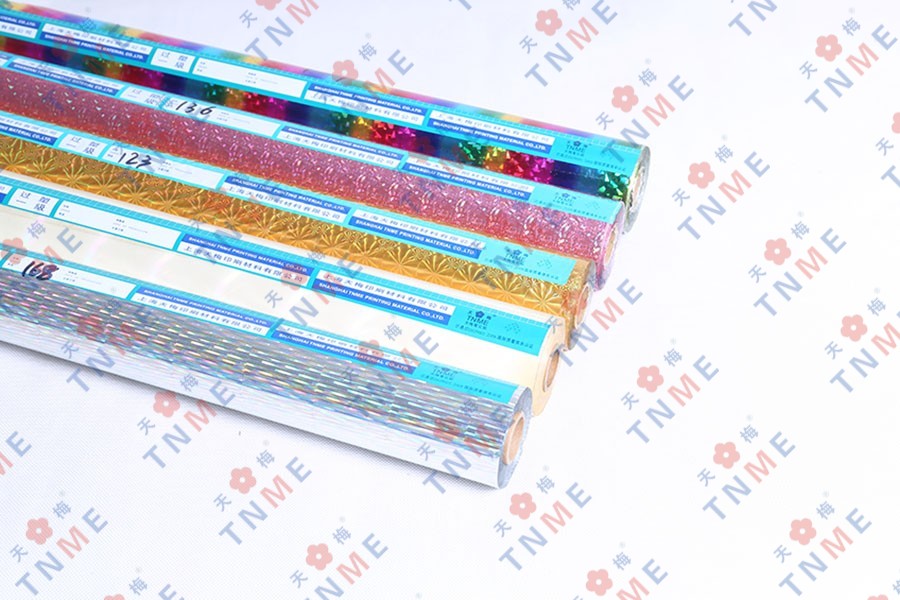
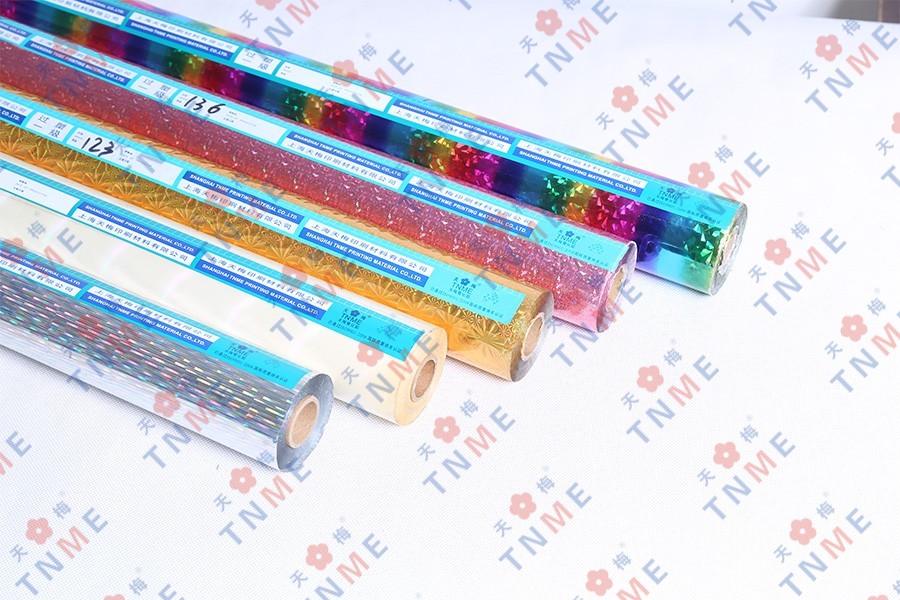
Foil stamping is a highly popular surface decoration process in the leather products industry, widely applied to footwear, bags, furniture upholstery, automotive interiors, clothing accessories, and other fields. This process uses heat and pressure to transfer metallic, colored, or patterned foil layers onto the surface of leather materials, forming bright, wear-resistant, and high-end decorative effects. As two of the most commonly used Artificial Leather Foil base materials, PU leather and PVC leather have significant differences in surface composition, molecular structure, porosity, and thermal resistance, which directly determine the selection of adhesives, stamping parameters, and final effect quality.
The core of successful foil stamping lies in the perfect bonding between the foil layer and the leather surface, and the adhesive acts as the intermediate bridge connecting these two materials. A high-quality adhesive must meet three core requirements: strong initial adhesion, stable curing bonding force, and excellent compatibility with the base material. For B2B buyers in the leather processing industry, selecting the correct adhesive can reduce production scrap rates, improve processing efficiency, extend the service life of finished products, and enhance overall product competitiveness.
Industry statistical data shows that 68% of foil stamping quality problems (such as foil peeling, incomplete transfer, blistering, and fading) are caused by mismatched adhesives and base materials. Among artificial leather processing enterprises, the scrap rate caused by adhesive selection errors can reach 5% to 12%, while enterprises using targeted adhesive matching solutions can control the scrap rate below 1.5%. This data fully proves that adhesive selection is a key link in the foil stamping process of artificial leather.
Foil stamping adhesives for artificial leather are not universal products. They need to be adjusted and optimized according to the chemical properties of PU and PVC leather surfaces. In addition, factors such as processing environment temperature, humidity, stamping speed, and post-processing procedures will also affect the performance of adhesives. This article will conduct an in-depth analysis from the characteristics of PU and PVC leather, adhesive classification, matching principles, application techniques, quality control, and other dimensions to provide professional and practical guidance for artificial leather processing enterprises.
Material Characteristics of PU Leather for Foil Stamping
Basic Composition and Surface Properties of PU Leather
PU leather, fully known as polyurethane leather, is a synthetic leather material made of polyurethane resin as the main raw material. Its surface layer is a porous polyurethane coating with good air permeability, moisture permeability, and soft hand feeling, close to natural leather. The surface of PU leather has micro-pore structure, the porosity is between 15% and 30%, and the surface energy is moderate, which is conducive to the penetration and bonding of adhesives.
PU leather has excellent thermal stability, and the safe temperature range during processing is between 80°C and 160°C. It will not undergo chemical decomposition or severe shrinkage under medium-temperature stamping conditions. At the same time, PU leather has good resistance to organic solvents, and most water-based and solvent-based adhesives will not cause corrosion, swelling, or discoloration to its surface.
Key Requirements for Foil Stamping Adhesives on PU Leather
- Moderate penetration: The adhesive can penetrate into the micro-pores of PU leather to form mechanical interlocking, but cannot penetrate excessively to avoid affecting the surface flatness
- Medium curing speed: Adapt to the continuous processing speed of production lines, generally controlled at 5 to 15 seconds of curing time
- Flexible bonding layer: The cured adhesive film has good elongation, matching the bending resistance of PU leather, not easy to crack or fall off
- Environmental protection performance: Meet the environmental protection standards of footwear, furniture, and automotive interior products, low VOC emissions
For B2B buyers, PU leather is widely used in mid-to-high-end leather products, accounting for 52% of the global artificial leather market share. The adhesive selected must not only meet the bonding requirements but also adapt to the high-quality and high-value characteristics of PU leather products, ensuring that the foil stamping effect remains intact for a long time.
Common Processing Scenarios of PU Leather Foil Stamping
PU leather foil stamping is mainly used in brand logos, decorative patterns, text markings, and three-dimensional relief effects. Common processing scenarios include sports shoe uppers, luxury handbags, high-end sofa upholstery, and automotive seat decorations. In these scenarios, the adhesive needs to have excellent wear resistance, scratch resistance, and cold and heat cycle resistance. Test data shows that high-quality adhesive matching can make the foil layer on PU leather withstand more than 50,000 times of bending without peeling, and maintain good appearance after 1000 hours of ultraviolet aging test.
Material Characteristics of PVC Leather for Foil Stamping
Basic Composition and Surface Properties of PVC Leather
PVC leather, fully known as polyvinyl chloride leather, is a synthetic leather made of polyvinyl chloride resin as the base material, with plasticizer, stabilizer, filler and other additives. Its surface is a dense non-porous film, the porosity is less than 3%, the surface energy is low, and it is a difficult-to-bond material. The surface of PVC leather is smooth and non-absorbent, and the adhesive cannot form penetration bonding, only relying on chemical bonding and physical adsorption.
PVC leather has poor thermal stability, and the safe processing temperature is between 60°C and 120°C. Excessive temperature will cause the plasticizer to precipitate, leading to foil layer foaming, peeling, and leather hardening, yellowing. In addition, PVC leather has poor resistance to strong organic solvents, and adhesives containing ketones, benzenes and other components will cause surface swelling and deformation.
Key Requirements for Foil Stamping Adhesives on PVC Leather
- High surface activity: Can reduce the surface tension of PVC leather and improve the wettability of the adhesive
- Low-temperature curing: Curing temperature below 110°C to avoid damage to PVC leather
- Anti-plasticizer migration: Resist the precipitation of plasticizer in PVC leather and maintain long-term bonding stability
- Fast initial adhesion: Form effective bonding force in a short time, suitable for high-speed production lines
PVC leather accounts for 38% of the global artificial leather market, mainly used in daily necessities, low-to-mid-end footwear, industrial packaging, and decorative materials. For B2B buyers, the cost performance of PVC leather adhesives is a key consideration. The selected adhesive should have low cost, simple construction, and stable performance, meeting the mass production needs of PVC leather products.
Common Processing Scenarios of PVC Leather Foil Stamping
PVC leather foil stamping is mostly used in simple decorative patterns, trademark marks, warning signs and other fields, such as raincoats, plastic bags, ordinary sandals, industrial gaskets. Due to the non-porous surface characteristics, the adhesive for PVC leather needs to have stronger bonding force than PU leather adhesives. Industry tests show that qualified PVC leather foil stamping adhesives can achieve a peeling strength of ≥8N/25mm, fully meeting the daily use requirements of products.
Classification and Performance Comparison of Artificial Leather Foil Stamping Adhesives
Water-Based Polyurethane Adhesives
Water-based polyurethane adhesives use water as the dispersion medium, with environmental protection, non-toxic, low VOC emissions, and good compatibility with PU leather. This type of adhesive has moderate penetration, suitable for the micro-porous structure of PU leather, forming flexible bonding layers. The curing temperature is 90°C to 140°C, matching the thermal stability range of PU leather.
The disadvantage is that it has poor compatibility with PVC leather, slow drying speed, and is not suitable for high-speed production lines. The bonding strength is 6-10N/25mm, and the service life can reach 5-8 years under normal use conditions.
Solvent-Based Acrylic Adhesives
Solvent-based acrylic adhesives have fast drying speed, high initial adhesion, and good wettability to PVC leather surface. They can effectively resist the migration of plasticizers in PVC leather, with stable long-term bonding performance. The curing temperature is 70°C to 110°C, avoiding thermal damage to PVC leather.
This type of adhesive has certain VOC emissions, and the bonding layer is slightly hard, more suitable for PVC leather products with low flexibility requirements. The bonding strength is 8-12N/25mm, and the service life is 3-5 years.
Hot-Melt Adhesives
Hot-melt adhesives are solid adhesives at room temperature, melted by heating during use, and cured by cooling. They have the advantages of solvent-free, fast curing, and wide applicability. They can be used for both PU and PVC leather foil stamping. The curing time is only 1-3 seconds, suitable for ultra-high-speed production lines.
The disadvantage is that the equipment investment is high, and the temperature control requirements are strict. The bonding strength is 5-9N/25mm, and the low-temperature resistance is average, suitable for indoor products.
Performance Comparison Table of Three Types of Adhesives
| Adhesive Type | Suitable Material | Curing Temperature | Bonding Strength | Environmental Protection |
| Water-Based Polyurethane | PU Leather | 90-140°C | 6-10N/25mm | High |
| Solvent-Based Acrylic | PVC Leather | 70-110°C | 8-12N/25mm | Medium |
| Hot-Melt Adhesive | PU & PVC Leather | 120-160°C | 5-9N/25mm | High |
Optimal Adhesive Selection for Foil Stamping on PU Leather
First Choice: Water-Based Polyurethane Adhesives
For foil stamping on PU leather, water-based polyurethane adhesives are the optimal solution. This adhesive and Artificial Leather Foil have perfect compatibility, can fully penetrate into the micro-pores of PU leather, form a combination of mechanical interlocking and chemical bonding, and the bonding layer is flexible and durable, matching the softness and bending resistance of PU leather.
In the mid-to-high-end PU leather product market, more than 75% of processing enterprises choose water-based polyurethane adhesives. This adhesive meets the EU REACH environmental protection standards, low VOC emissions, suitable for footwear, furniture, automotive interiors and other fields with strict environmental protection requirements. The curing temperature is controlled at 110°C to 130°C, pressure at 0.3-0.5MPa, stamping time for 3-5 seconds, can achieve the best transfer effect.
Alternative Selection: Hot-Melt Adhesives
For enterprises with high-speed production line requirements, hot-melt adhesives are an ideal alternative. This adhesive has no solvent, fast curing speed, can greatly improve production efficiency, and the bonding effect meets the use requirements of most PU leather products. It is necessary to select special hot-melt adhesives for artificial leather, and strictly control the heating temperature to avoid excessive temperature affecting the performance of PU leather.
Adhesive Application Techniques for PU Leather
- Surface pretreatment: Clean the PU leather surface to remove oil, dust, and keep it dry, which can increase the bonding strength by 20%-30%
- Coating amount control: The coating amount of water-based adhesive is 15-25g/m², uniform coating to avoid accumulation or missing coating
- Drying process: After coating, dry at 60-80°C for 1-2 minutes to remove moisture and improve initial adhesion
- Post-curing treatment: After stamping, place the product at room temperature for 24 hours to fully cure the adhesive and reach the maximum bonding strength
For B2B buyers, choosing water-based polyurethane adhesives for PU leather foil stamping can reduce after-sales problems caused by foil peeling, improve product added value, and meet the quality requirements of mid-to-high-end customers. The long-term use cost of this adhesive is lower, and the comprehensive benefit is significantly better than other types of adhesives.
Optimal Adhesive Selection for Foil Stamping on PVC Leather
First Choice: Solvent-Based Acrylic Adhesives
For foil stamping on PVC leather, solvent-based acrylic adhesives are the optimal choice. This adhesive has high surface activity, can effectively reduce the surface tension of non-porous PVC leather, improve wettability and adhesion, and has excellent anti-plasticizer migration performance, ensuring long-term stable bonding of the foil layer.
In PVC leather processing, 65% of mass production enterprises use solvent-based acrylic adhesives. The curing temperature is controlled at 80°C to 100°C, pressure at 0.4-0.6MPa, stamping time for 2-4 seconds, which can avoid thermal damage to PVC leather while ensuring complete transfer of the foil layer. The bonding strength is high, and the foil layer will not fall off even in humid and high-temperature environments.
Alternative Selection: Low-Temperature Hot-Melt Adhesives
For environmental protection-oriented enterprises, low-temperature hot-melt adhesives are a suitable alternative. This adhesive has no solvent emissions, curing temperature below 110°C, suitable for PVC leather materials. The disadvantage is that the cost is slightly higher, and the bonding performance under high-temperature and high-humidity environments is slightly lower than that of solvent-based acrylic adhesives.
Adhesive Application Techniques for PVC Leather
- Surface activation: Use a special treatment agent to activate the PVC leather surface, improve surface energy, and increase bonding strength by 30%-40%
- Coating process: Adopt a thin coating and multiple coating method, the single coating amount is 10-15g/m², to ensure uniform film formation
- Temperature control: Strictly limit the stamping temperature not to exceed 110°C to prevent plasticizer precipitation and foil foaming
- Storage conditions: The processed products should be stored in a dry and cool environment, avoid direct sunlight and high temperature
For B2B buyers, solvent-based acrylic adhesives have high cost performance, simple construction technology, and are suitable for mass production of PVC leather products. They can meet the quality requirements of daily necessities, industrial supplies and other fields, and effectively control production costs.
Factors Affecting Adhesive Performance in Artificial Leather Foil Stamping
Processing Environment Factors
Environmental temperature and humidity are key factors affecting adhesive performance. The suitable temperature for foil stamping is 20-25°C, relative humidity 40%-60%. When the temperature is lower than 15°C, the adhesive curing speed slows down, and the bonding strength decreases by 15%-25%; when the humidity is higher than 70%, moisture penetrates into the bonding layer, causing blistering and peeling of the foil layer.
For enterprises with production workshops in different regions, it is necessary to adjust the adhesive formula and process parameters according to seasonal climate changes. In winter, low-temperature curing adhesives can be selected, and in summer, moisture-proof measures should be taken to ensure stable processing quality.
Stamping Process Parameters
Stamping temperature, pressure and time directly determine the curing effect of the adhesive. For PU leather, the temperature is too low, the adhesive is not fully cured, and the bonding is not firm; the temperature is too high, the PU leather is easy to yellow and deform. For PVC leather, excessive pressure will cause the leather to deform, and insufficient pressure will lead to incomplete transfer of the foil layer.
Industry standardized process parameters show that the matching degree of process parameters and adhesive performance reaches 90% or more, which can ensure that the foil stamping pass rate is higher than 98.5%. B2B buyers can require adhesive suppliers to provide targeted process parameter solutions to reduce the difficulty of on-site adjustment.
Artificial Leather Foil Quality
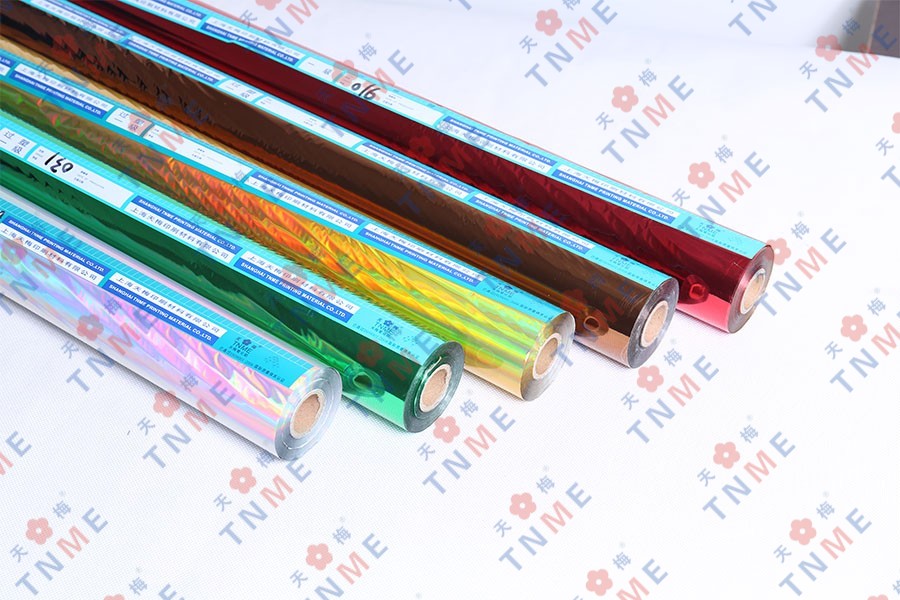
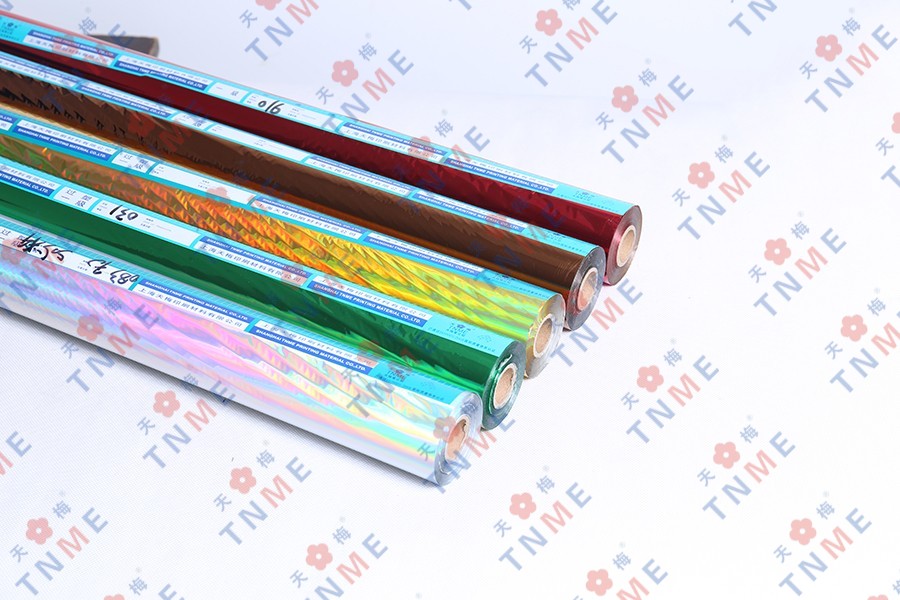
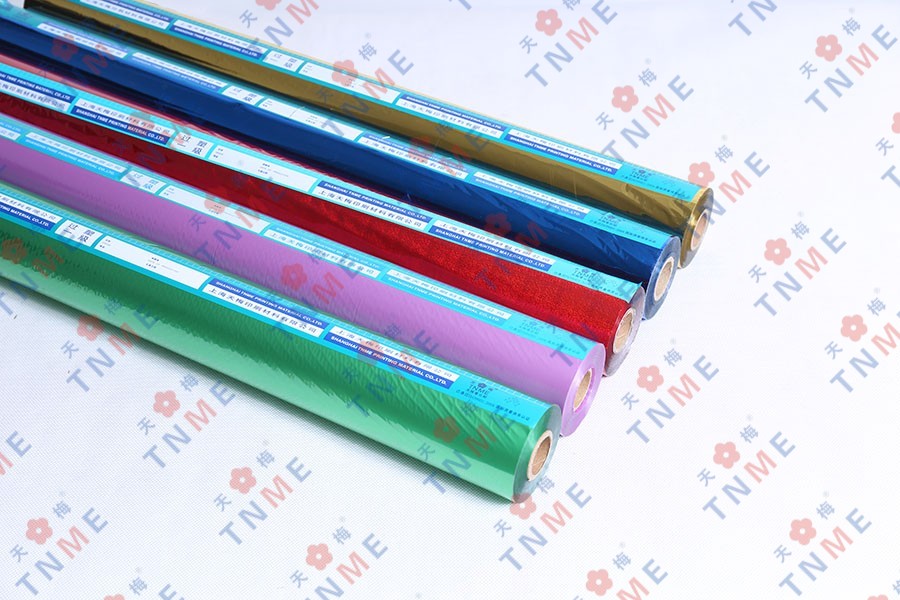
The quality of Artificial Leather Foil includes the performance of the release layer, adhesive layer and metal layer. The foil with poor quality will cause the adhesive to fail to bond normally, even if the optimal adhesive is selected, the ideal effect cannot be achieved. High-quality artificial leather foil has a uniform adhesive layer, good matching with stamping adhesives, and can form a stable bonding system with PU and PVC leather.
Post-Processing and Use Conditions
Post-processing procedures such as washing, ironing, and bending of the product will affect the service life of the bonding layer. Adhesives with excellent washing resistance can withstand more than 50 times of household washing without peeling. In addition, long-term exposure to outdoor ultraviolet rays, high temperature, oil pollution and other environments will accelerate the aging of the adhesive layer, and it is necessary to select adhesives with anti-aging properties according to the use scenario of the product.
Quality Control and Testing Standards for Foil Stamping Adhesives
Key Testing Indicators of Adhesives
- Peeling strength: The main indicator to evaluate bonding performance, PU leather ≥6N/25mm, PVC leather ≥8N/25mm
- Initial adhesion: The bonding force formed in a short time, tested by the ball method, requiring ≥#12 ball
- Curing speed: The time required to reach stable bonding strength, controlled within 5-15 seconds
- Environmental resistance: After high temperature, low temperature, humidity and ultraviolet aging tests, the performance retention rate ≥80%
On-Site Quality Control Methods
In the production process, real-time monitoring of adhesive coating amount, stamping parameters and product appearance is required. Conduct sampling inspection every 30 minutes, conduct peeling test and visual inspection. For unqualified products, analyze the causes in time, adjust process parameters or replace adhesives to avoid large-scale quality accidents.
For B2B buyers, establishing a complete adhesive testing and quality control system can reduce the scrap rate by 60%-80%, reduce production losses, and improve the stability of product quality. Cooperating with professional adhesive suppliers to obtain technical support and testing services is an effective way to ensure quality.
Industry Certification and Standards
Qualified artificial leather foil stamping adhesives should meet international and industry-related standards, such as ISO 9001 quality management system certification, EU REACH regulations, RoHS environmental protection certification. Adhesives used in automotive interiors also need to meet OEM standards, with low odor and low volatility characteristics. Selecting certified adhesives can ensure that products meet market access requirements and expand sales channels.
Purchase Guidance of Adhesives for B2B Buyers
Core Principles of Adhesive Selection
B2B buyers should follow the principle of material matching, process adaptation, cost optimization and quality assurance when purchasing adhesives. First, determine the type of base material (PU or PVC leather), then select the corresponding adhesive type, and then consider production efficiency, cost budget and product quality requirements. Avoid choosing universal adhesives blindly to prevent quality problems and cost waste.
Evaluation Dimensions of Adhesive Suppliers
- R&D strength: Have a professional R&D team, which can provide customized adhesive solutions
- Product stability: Batch-to-batch performance difference ≤5%, ensuring consistent production quality
- Technical support: Provide on-site process guidance, testing services and after-sales support
- Supply capacity: Stable supply capacity to meet the long-term production needs of enterprises
Cost Performance Analysis
The purchase cost of adhesives only accounts for 3%-5% of the total production cost, but it directly affects the product qualification rate and after-sales cost. High-quality adhesives can reduce the scrap rate and after-sales service costs, and the comprehensive cost is lower than cheap and low-quality adhesives. B2B buyers should focus on the comprehensive cost performance rather than the single purchase price when selecting adhesives.
For large-scale processing enterprises, long-term strategic cooperation with adhesive suppliers can obtain preferential prices and customized services, further reducing production costs and improving market competitiveness.
Frequently Asked Questions About Artificial Leather Foil Stamping Adhesives
Q1: Can the same adhesive be used for PU and PVC leather foil stamping?
A: No, PU and PVC leather have different surface properties, and universal adhesives cannot achieve the optimal bonding effect. It is recommended to use special adhesives for respective materials.
Q2: How to solve the problem of foil layer peeling after stamping?
A: Check the adhesive selection, adjust stamping temperature and pressure, conduct leather surface pretreatment, and ensure full curing of the adhesive.
Q3: What is the shelf life of artificial leather foil stamping adhesives?
A: Water-based adhesives are 6-12 months, solvent-based adhesives are 12-18 months, and hot-melt adhesives are 24 months. Store in a cool and dry environment.
Q4: Are water-based adhesives suitable for all PU leather products?
A: Yes, water-based adhesives are the best choice for PU leather, with good environmental protection and bonding performance, suitable for most PU leather products.
Q5: How to choose adhesives for high-speed production lines?
A: Choose hot-melt adhesives or fast-curing solvent-based adhesives with curing time less than 3 seconds to meet high-speed production needs.
Q6: Does environmental protection adhesive affect bonding performance?
A: No, high-quality environmental protection adhesives have the same or even better bonding performance as traditional adhesives, and meet environmental protection standards.
Q7: What is the impact of leather surface oil on adhesive bonding?
A: Surface oil will reduce bonding strength by 40%-60%, and it needs to be cleaned with a special cleaning agent before stamping.
Q8: Can artificial leather foil be stamped with adhesives at room temperature?
A: No, foil stamping requires heat and pressure to activate the adhesive, and room temperature cannot achieve effective bonding.
Q9: How to test the bonding fastness of foil stamping products?
A: Use the peeling strength test, tape peeling test and bending test to evaluate the bonding fastness.
Q10: What is the best storage condition for stamped finished products?
A: Store at 15-25°C, relative humidity 40%-60%, avoid direct sunlight, heavy pressure and contact with sharp objects.