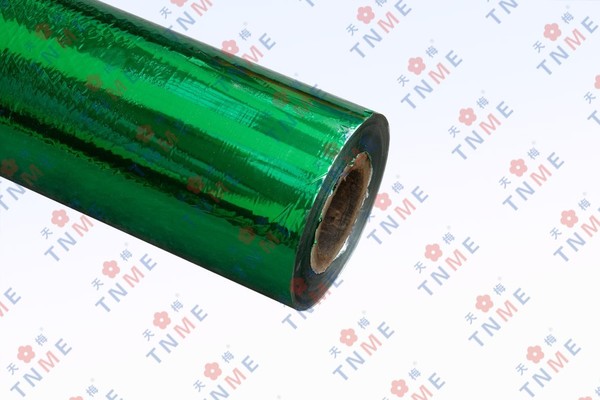
Understanding Hot Stamping Printing Technology Hot stamping printing, also known as foil stamping or hot stamping printing, represents one of the most sophisticated finishing techniques in the printing industry. This process involves applying metallic foil—typically gold, silver, or copper—onto various substrates using heat and pressure. The result is a lustrous, dimensional finish that immediately elevates the perc...
More details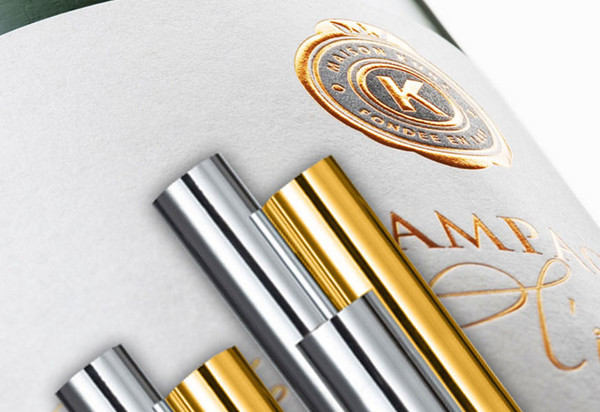
Understanding Foil Stamping Technology Foil stamping, commonly referred to as hot stamping printing, is a sophisticated finishing technique that applies metallic or holographic foil to various substrates through heat and pressure. This process creates eye-catching, premium effects that elevate the visual appeal of printed materials. Whether applied to business cards, packaging, book covers, or luxury invitations, fo...
More details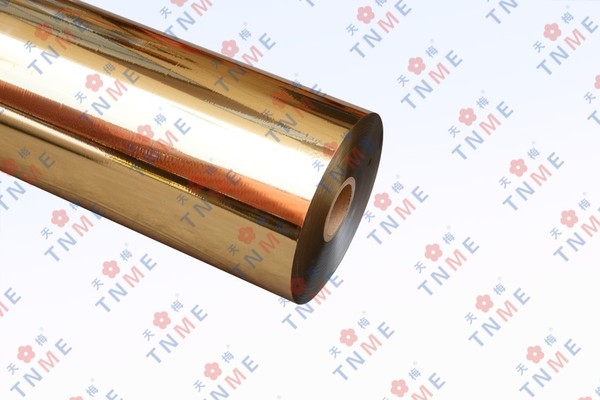
1. Introduction: The Critical Role of Adhesion in UV Foil Applications Adhesion quality directly determines the commercial viability of any UV foil decorated product. Whether you are working with UV foil stamping materials for luxury packaging, labels, or book covers, incomplete transfer or delamination leads to waste and rework. Modern converting processes demand consistent bond strength between the foil’s metalli...
More details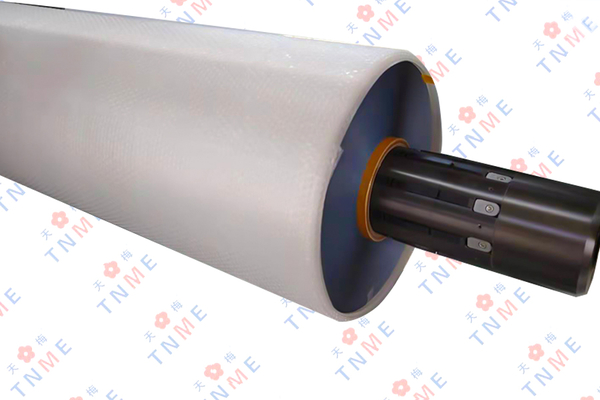
Introduction to Foil Printing Techniques Foil printing is a decorative finishing process widely used in packaging, labels, and luxury print products. It provides a metallic or pigmented finish that enhances visual appeal. Among the primary methods, hot foil stamping and cold foil printing are the most commonly applied techniques, each with unique processes, advantages, and limitations. Understanding the technical di...
More details
Understanding the Challenge of Stamping on Low-Surface-Energy Plastics Polypropylene (PP) and other low-surface-energy plastics present unique challenges for decorative finishing processes. These materials, while offering exceptional chemical resistance, durability, and cost-effectiveness, inherently resist adhesion due to their non-polar molecular structure. Untreated polypropylene exhibits a surface energy of mere...
More details
Fundamental Definitions of UV Materials and Foil in Industrial Applications In the modern manufacturing and packaging industries, UV materials and foil are two indispensable functional materials that serve distinct purposes while overlapping in certain application scenarios. To fully understand their core differences, it is essential to start with their basic definitions, material compositions, and inherent physical...
More details +86-573-84624888
 [email protected]
 No. 28, Liangchuang Road, Ganyao Industrial Zone, Jiashan County, Zhejiang Province


 English
 中文简体
中文简体