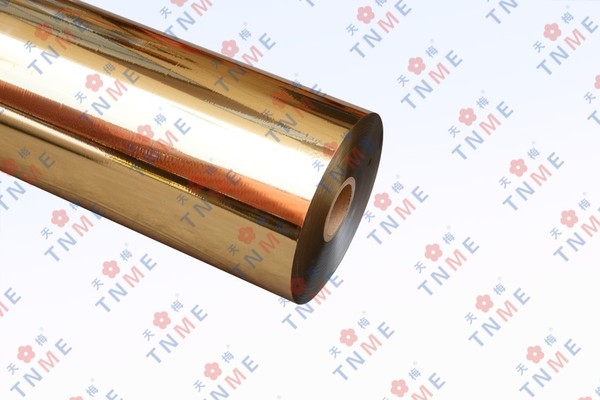
Cold foil is a metallic or decorative film applied to a printed surface using adhesive and UV curing — no heat required. A UV layer is a coating of ultraviolet-curable ink or varnish that hardens instantly when exposed to UV light, providing gloss, texture, or protection. Together, they form one of the most versatile finishing combinations in modern commercial printing. Unlike hot foil stamping, which requires a hea...
More details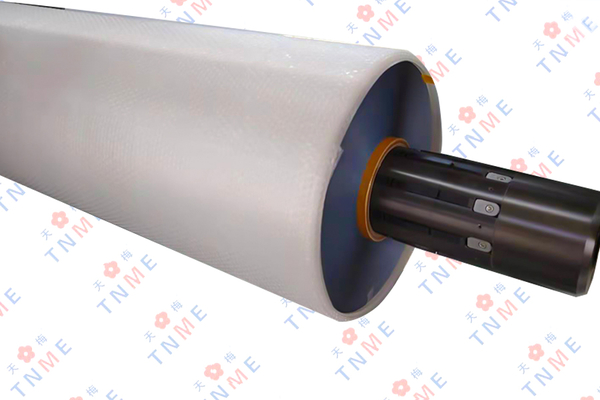
What Are the Different Types of Cold Foil? There are five main types of cold foil used in commercial and specialty printing: metallic cold foil, holographic cold foil, pigment (colored) cold foil, matte cold foil, and patterned/textured cold foil. Each type serves a distinct visual and functional purpose, making the right choice critical for achieving the desired print result. Cold foil is applied using UV adhesive ...
More details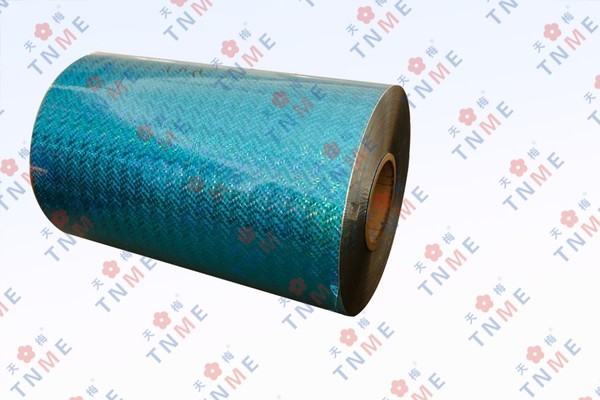
Industry Background and Application Importance The market for over printed foil has been experiencing steady growth, driven by increasing demand for high-quality packaging, labeling, and decorative applications. Over printed foil, typically involving the deposition of metallic or pearlescent layers onto a substrate, enhances visual appeal and provides functional benefits such as barrier protection, tamper evidence, a...
More details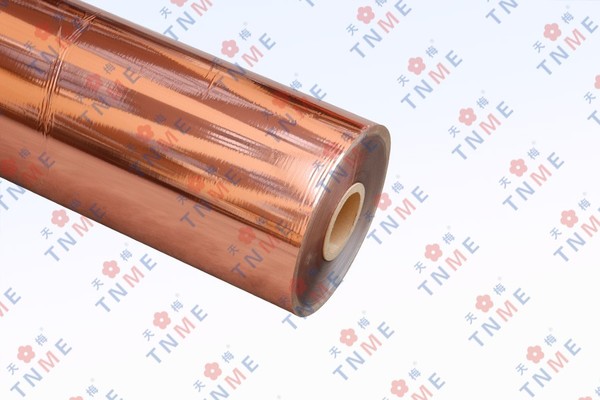
Introduction: Industry Background and Application Importance In modern material science and industrial packaging, pearl foil and pearlescent films play an increasingly significant role as multifunctional materials that merge functional protective performance with optical and surface aesthetics. These materials are commonly used in packaging, labeling, decorative finishes, and advanced industry applications where both...
More details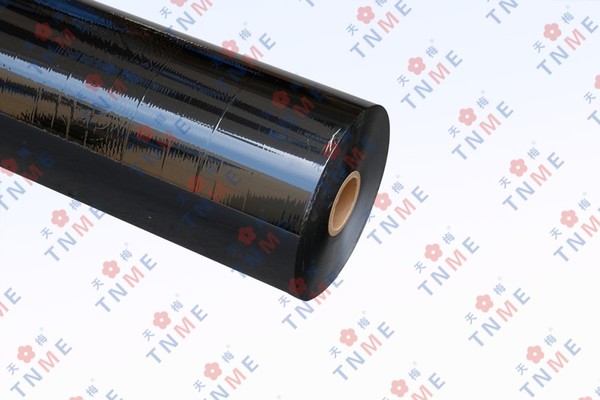
1. Industry Background and Application Importance 1.1 The Role of foil materials in engineered systems Engineering foil materials — especially metal foil composites integrated with plastics — are foundational elements in many industrial systems. They provide essential multifunctional performance that single‑material alternatives rarely achieve: high barrier against gases and moisture, mechanical support with low wei...
More details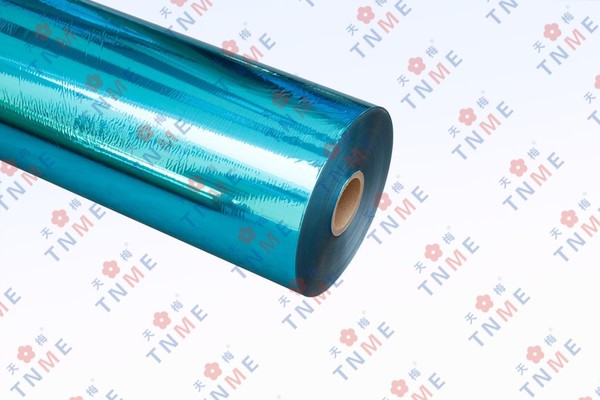
Industry Background and Application Importance Flexible packaging has become a cornerstone of modern industrial supply chains across food, pharmaceutical, consumer goods, electronics, and industrial materials. Its dominance is not arbitrary; flexible packaging enables reduced material usage, transportation efficiency, extended product shelf life, and adaptability to automated processing. However, these advantages com...
More details +86-573-84624888
 [email protected]
 No. 28, Liangchuang Road, Ganyao Industrial Zone, Jiashan County, Zhejiang Province


 English
 中文简体
中文简体